
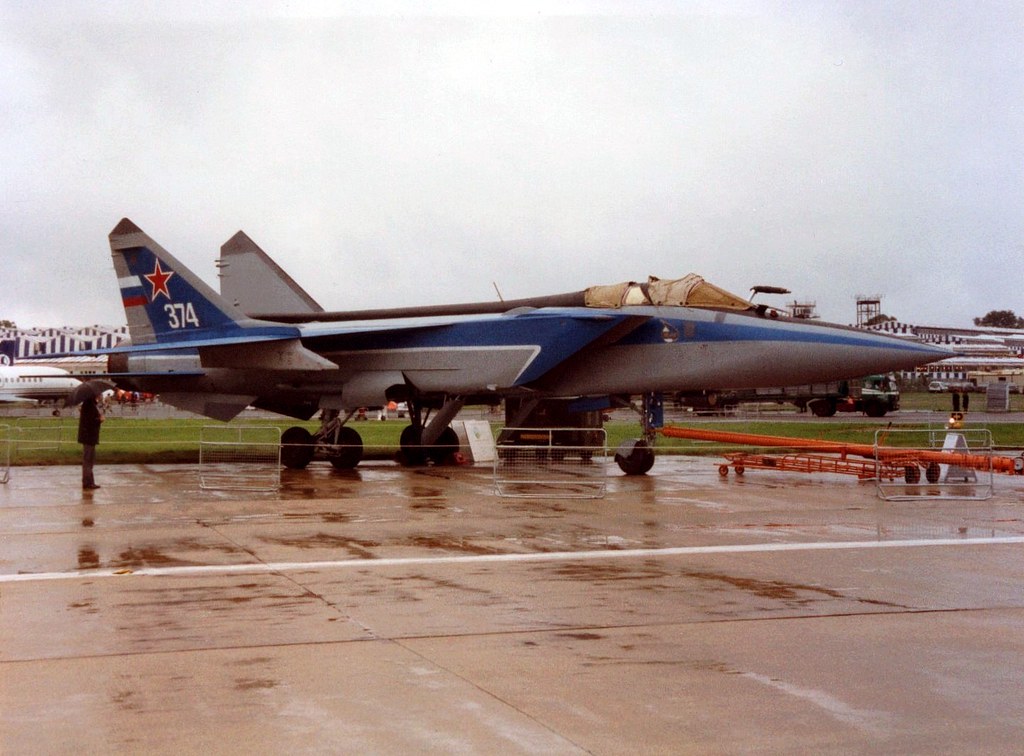

Ah, the Cold War. It was a time of espionage, political tension, and some of the most incredible technological advancements in military aviation. But here’s the kicker: despite all the hype and buildup, the big showdown never quite happened. Instead, we were left with some stunning aircraft that were designed for a war that, thankfully, remained just a chilling notion. Let’s take a friendly stroll down memory lane and look at four of these iconic planes, shall we?
The B-70 Valkyrie: The Flying Brick
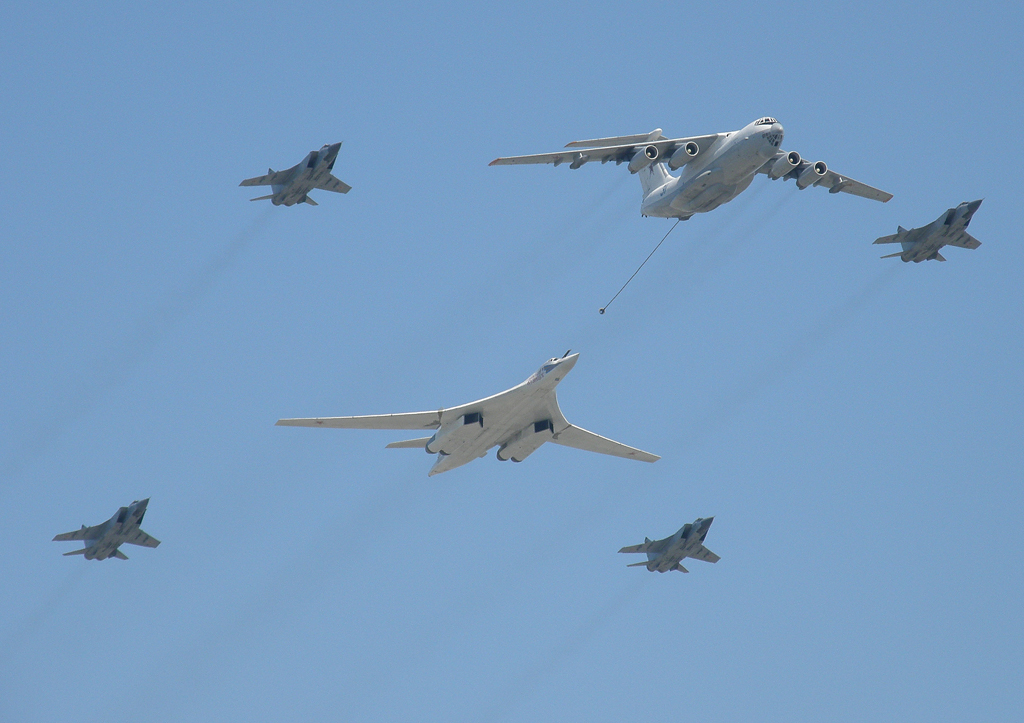
First up is the North American B-70 Valkyrie, which looks like something straight out of a sci-fi movie. This massive strategic bomber was designed to fly at a scorching Mach 3, which is fast enough to make your morning espresso feel like it’s crawling. The Valkyrie was built to penetrate enemy defenses and deliver nuclear payloads, but its price tag and the evolution of missile technology meant it never quite took flight in the way its designers envisioned.
Can you imagine being a pilot in the B-70? You’d have to have nerves of steel! It was equipped with a complex system of wings that could adjust for different speeds, making it look like a flying brick at slower speeds and a sleek missile when it kicked it into high gear. But alas, the B-70 never saw combat, and only a handful were ever made. Instead, it became a symbol of what could have been— a true testament to Cold War ambition.
The Lockheed SR-71 Blackbird: The King of Skies
Next on our list is the legendary Lockheed SR-71 Blackbird. Now, if you’ve ever watched a movie about spies or high-stakes missions, chances are you’ve seen this beauty in action. Designed for reconnaissance, the SR-71 could fly at an insane altitude of 85,000 feet and at speeds reaching Mach 3.2— talk about taking “going above and beyond” to a whole new level!
The Blackbird was a marvel of engineering, with its sleek, elongated shape and stealthy capabilities. It could outrun missiles and was practically invisible to radar. Imagine being the guy tasked with trying to intercept this flying beast— good luck with that! Even though it was built during the height of the Cold War, the SR-71 was never involved in any combat missions. Instead, it collected intelligence that helped shape military strategies, proving that sometimes the best offense is a great defense.
The McDonnell Douglas F-15 Eagle: A Fighter for All Seasons
Then we have the McDonnell Douglas F-15 Eagle, a versatile air superiority fighter that’s been in service since the 1970s. This aircraft was designed to dominate the skies, showcasing a blend of speed, agility, and firepower that’s hard to beat. With its twin-engine design and impressive thrust-to-weight ratio, it can climb like a homesick angel!
What’s fascinating about the F-15 is that it was built during the Cold War but has continued to serve in various capacities ever since. It’s like the classic rock band that just won’t quit! While it was prepared for a potential showdown with the Soviet Union, the F-15 has seen action in multiple conflicts, proving its worth time and time again. It’s a great reminder that some things are just built to last, even if the original reason for their creation never materialized.
The Boeing 747: The Unexpected Warrior
Finally, let’s talk about a plane that’s not your typical combat aircraft: the Boeing 747. You might be scratching your head, thinking, “Wait, isn’t that a commercial airliner?” And you’d be right! But during the Cold War, the U.S. government had plans to convert the 747 into a flying command center for nuclear war. Talk about taking “first class” to a whole new level!
The idea was to have a mobile base of operations that could direct military actions in the event of a nuclear conflict. Can you imagine? “Please fasten your seatbelts, folks. We’re about to engage in some serious global strategy!” Ultimately, the 747 wasn’t needed for that purpose, but it stands as an interesting footnote in the history of Cold War aviation. It’s a reminder that sometimes, even the most unexpected machines can be envisioned as tools of war.
Conclusion: The Legacy of What Could Have Been
So, there you have it—four incredible aircraft from the Cold War era designed for a conflict that never really happened. Each of these planes tells a story of ambition, innovation, and a good dose of “what if.” While we can appreciate their role in shaping aviation history, it’s also a relief that the tensions of the Cold War never escalated into the catastrophic scenarios many feared.