

Virginia’s first big winter blast of the year did not ease in quietly. As snow and ice spread across the state, Virginia State Police logged 177 vehicle crashes tied to the storm, a snapshot of just how fast routine weekend driving turned into a dangerous mess. Those early numbers would soon be swallowed up by a much larger tally, but they captured the moment when the storm stopped being a forecast and started becoming a real problem on the roads.
Drivers who headed out anyway found themselves dealing with slick interstates, limited visibility, and a patchwork of local conditions that shifted from wet to icy in a few miles. Troopers, local officers, and rescue crews spent the weekend bouncing from one call to the next, trying to keep up as fender benders, spinouts, and more serious wrecks piled up across Virginia.
The first wave: 177 crashes and a fast-changing storm
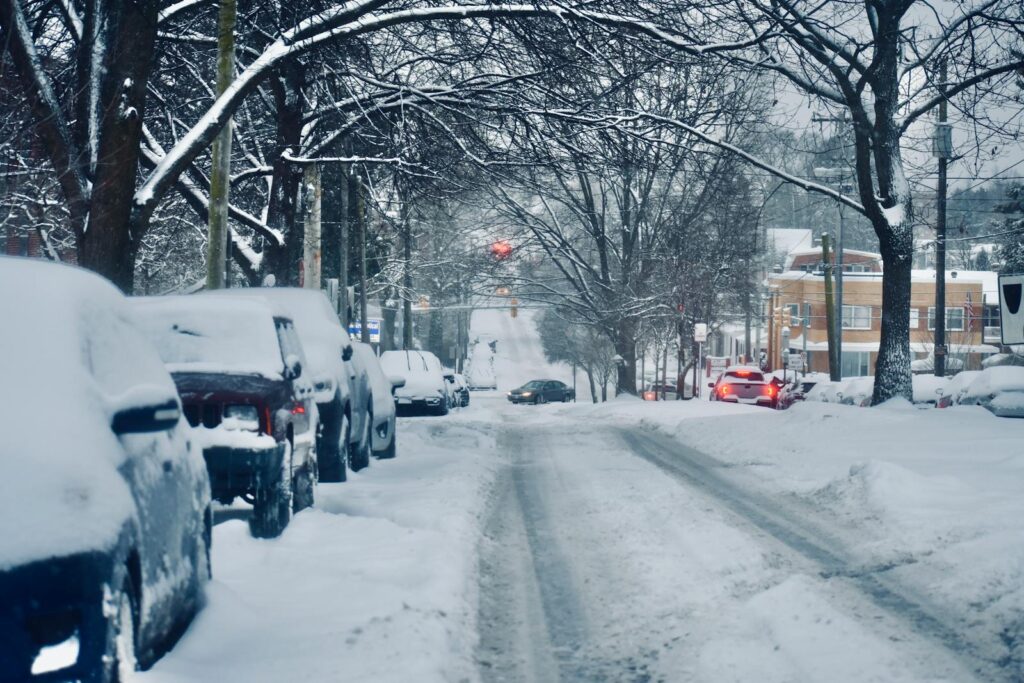
The initial count of 177 crashes came as the storm’s first wave pushed across the Commonwealth, catching a lot of people in that gray zone where roads look passable but are already turning treacherous. Update reports from Virginia State Police tied those 177 wrecks to the winter weather, with troopers also handling crashes that involved injuries and at least one fatal case. The figure was a warning sign that the mix of snow, sleet, and freezing rain was already overwhelming drivers’ instincts and vehicle technology.
That early number did not even capture the full scope of what was happening on the pavement, because it reflected only a slice of the storm timeline and only the incidents formally logged by state-level responders. The report credited Paul Hess with detailing how quickly conditions deteriorated, noting that the crashes unfolded on a Saturday evening, or Sat, as temperatures dropped. For drivers, that meant the usual weekend errands and trips home were suddenly intersecting with black ice, snow-covered lane markings, and braking distances that stretched far beyond what they expected.
From 177 to 378: a statewide surge in wrecks
By the time the storm had settled in, that first tally of 177 crashes was already outdated. As snow bands kept sweeping through and refreezing turned slush into ice, Virginia State Police reported they had responded to 378 crashes since the storm began. That jump from 177 to 378 shows how quickly the situation escalated once the system fully settled over the state and drivers kept venturing out. Each additional hour of snowfall and freezing drizzle translated into more calls for help, more disabled vehicles, and more troopers working in the breakdown lanes.
The 378 figure came alongside reports of at least six people hurt and traffic snarled on major corridors, including stretches of interstate where even minor collisions can trigger long backups. The statewide nature of the number, covering multiple divisions from Central Virginia to Northern Va, underscored that this was not just a local squall. It was a full-on winter event that tested response capacity from RICHMOND to the mountains, with troopers juggling crash investigations, traffic control, and stranded motorists all at once.
Statewide totals climb to 440 collisions and 34 injuries
As the weekend wore on and reports kept coming in, the numbers climbed again. An Update from VSP put the statewide total at 440 auto collisions tied to the winter storm, with 34 people reported injured. That progression, from 177 to 378 to 440, maps out a storm that did not just brush past Virginia but sat on top of it long enough to catch wave after wave of drivers. Each new layer of snow or ice reset the learning curve for anyone who assumed the worst was already over.
The 34 injuries highlight that this was not just a matter of bent fenders and insurance claims. Emergency rooms and trauma teams were pulled into the story as well, dealing with people hurt in rollovers, multi-vehicle pileups, and single-car crashes where a simple slide off the road turned serious. The 440 collisions stretched across urban centers and rural stretches alike, showing that whether someone was on a neighborhood hill or a major highway, the physics of ice and speed did not really care.
How the crashes were spread across Virginia
Behind the big statewide totals, the breakdown by region tells its own story about where the storm hit hardest and how drivers fared. A detailed Breakdown by Division showed that Division 1, covering Central Va and Richmond, recorded 93 crashes, with three of those involving injuries. That cluster around the capital region reflects both the density of traffic and the way urban roads can ice over quickly when plows and salt trucks are still trying to catch up.
Other regions saw their own spikes, including Northwest Va around Winchester, where winding roads and elevation changes can turn a routine snow into a white-knuckle drive. In Division 7, covering Northern Va, troopers logged 41 crashes, with two involving injuries and one fatal crash that investigators later determined was not weather related but still unfolded in Fairfax County Saturday evening. That mix of storm-driven wrecks and unrelated tragedies made for a grim weekend on the Beltway and surrounding routes.
Interstates, local roads, and one deadly crash before the snow
Even before the storm fully arrived, some of the region’s busiest highways were already seeing serious trouble. In Fairfax County, a driver was killed in a crash on I-495 that investigators later determined had occurred prior to the winter weather, underscoring how fragile safety margins can be even before ice and snow enter the picture. That fatal wreck added to a tally of traffic deaths in the county earlier this year, setting a somber backdrop as the storm moved in and raised the stakes for every mistake behind the wheel.
Once the snow and ice took hold, interstates like Interstate 64 in James City County and other major corridors became focal points for crash responses. Virginia State Police troopers spent Sunday working wrecks along those stretches, balancing the need to investigate each crash with the practical reality of keeping traffic moving enough to avoid secondary collisions. The combination of high speeds, heavy traffic, and patchy ice on bridges and ramps turned every lane change into a potential problem, especially for drivers who underestimated how quickly conditions had changed.
“Stay off the roads”: warnings that many ignored
As the numbers climbed, the message from authorities got blunt. Virginia State Police and VSP officials urged people to stay off the roads unless travel was absolutely necessary, pointing to the hundreds of crashes as proof that even experienced drivers were getting caught out. The tone shifted from gentle reminders about slowing down to direct pleas to simply not drive until plows and salt trucks had time to work. Every additional car on the road was one more variable that could turn a minor slide into a multi-car pileup.
Officials also stressed that if people absolutely had to be out, they needed to give Virginia Department of plows and emergency crews plenty of room to work. That meant not trying to pass plow trains, not tailgating salt trucks, and not assuming that a lane that looked clear was actually free of black ice. The reality, as the 440 crash total made painfully clear, was that the safest choice for most people was to let the professionals handle the storm while everyone else stayed home and watched the snow from the window.
Inside the response: troopers, dispatchers, and plow drivers
Behind every crash statistic were people scrambling to keep up with the chaos. Dispatchers fielded call after call from drivers who had slid into guardrails, spun into ditches, or been hit by someone who could not stop in time. Troopers with Virginia State Police spent long stretches outside their vehicles in freezing temperatures, setting up flares, directing traffic, and taking reports while snow continued to fall around them. Every time they stepped out onto the shoulder, they were trusting that oncoming drivers would see the lights and slow down in time, a gamble that gets riskier when visibility drops and pavement turns slick.
On the road maintenance side, plow operators with the Virginia Department of worked in shifts to keep primary routes open, often circling the same stretches of highway as fresh snow covered their last pass. Their job got harder every time a crash blocked a lane or forced them to divert around a scene, leaving untreated patches that could surprise the next wave of drivers. The coordination between troopers, plow drivers, and local emergency crews was constant, a rolling triage effort to decide which roads needed attention first and which crashes posed the greatest immediate risk to life and traffic flow.
What the numbers say about driver behavior
Looking at the progression from 177 to 378 to 440 crashes, a pattern emerges that goes beyond the storm itself. The fact that Hundreds of wrecks were reported even after warnings went out suggests that a lot of people either underestimated the conditions or overestimated their own ability to handle them. Modern vehicles with all-wheel drive, stability control, and winter driving modes can create a false sense of security, especially on familiar routes. The crash totals are a reminder that none of that technology changes the basic math of friction between tires and ice.
At the same time, the regional Breakdown hints at how local habits and infrastructure play into the outcome. Urban drivers around RICHMOND may be more likely to assume that main roads will be treated quickly, while those in mountainous areas are used to white-knuckle winter driving and may adjust their behavior more aggressively. Still, the sheer volume of incidents across divisions shows that once a storm reaches a certain intensity, individual skill and caution can only do so much if too many people insist on being out at the same time.
Lessons for the next winter blast
For Virginia, the storm’s crash tally is more than a one-off headline; it is a case study in what happens when a fast-moving weather system meets a busy weekend on the roads. The 440 collisions, 34 injuries, and the early marker of 177 wrecks tied to the storm give transportation planners and safety advocates a lot to chew on. They point to the need for clearer messaging about when travel really is too risky, better use of push alerts and navigation apps to steer people away from trouble spots, and continued investment in road treatment strategies that can keep up with storms that change character hour by hour.
For everyday drivers, the takeaway is even simpler. When Officials and Virginia State Police are practically begging people to stay home, it is not just cautious boilerplate. It is a reflection of what they are seeing in real time: cars in ditches, medics working in the cold, and troopers trying to prevent one bad decision from cascading into a pileup. The next time a similar storm rolls in, those 177 early crashes and the 440 total that followed should be in the back of every driver’s mind before they turn the key.
More from Wilder Media Group: