
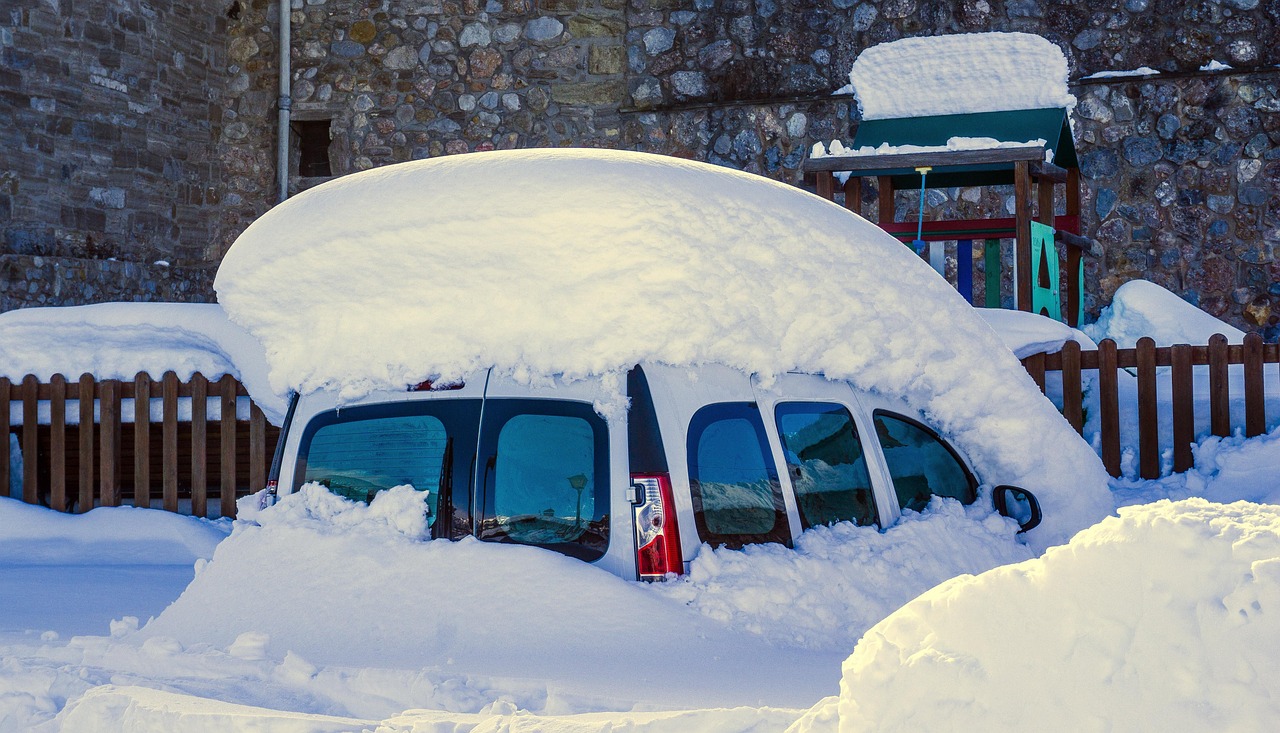

On a bitter morning, the urge to crank the heater and let a frozen car idle for ages is strong, but that old habit can quietly chew through fuel, wear out parts, and still leave the windshield frosted over. Modern engines, electronics, and even EV batteries behave very differently from the carbureted cars that taught earlier generations to “warm it up for ten minutes.” Learning how to get a frozen vehicle moving without punishing the engine is less about babying the car and more about using the first few minutes wisely.
The safest approach blends a short warmup, gentle driving, and smart de‑icing so the cabin gets comfortable while the mechanical bits stay happy. With a few tweaks to routine, drivers can protect their engines, clear the glass faster, and still avoid shivering behind the wheel.
Why long idling is rough on modern engines

Letting a car sit and idle for long stretches in the cold feels protective, but inside the engine it is often the opposite. When the oil is thick and cold, it does not flow quickly into tight clearances, so parts run with more friction until everything reaches operating temperature. Jan explains in a video that this extra friction during extended idle can increase wear and tear and eventually shorten engine life, especially if the habit repeats all winter. Instead of warming evenly under light load, the engine spends a long time in a half‑warmed state where fuel does not burn cleanly and oil never quite thins out.
That inefficient burn has side effects beyond the engine block. Extra unburned fuel can wash down cylinder walls, dilute oil, and send more pollutants out the tailpipe while the car is going nowhere. Guidance from cold‑weather experts notes that prolonged idling can damage components and that moving off gently helps the engine stay stronger longer. The bottom line is simple: a short idle to get fluids moving is useful, but treating the driveway like a parking‑lot lounge is not doing the car any favors.
Fuel injection changed the warmup rules
The old advice to let a car sit and “warm the carb” made sense when choke mechanisms and manual adjustments controlled how much fuel reached the engine. Modern fuel injection changed that equation. Electronic controls constantly adjust the air‑fuel mix, so a cold engine can run smoothly almost immediately without a long pre‑drive ritual. As one analysis of Why Warming Up points out, fuel‑injected engines automatically compensate for temperature, which is why most newer cars settle into a smooth idle within seconds.
That technology shift is why many mechanics now tell drivers to focus on comfort and visibility rather than chasing some magic engine warmup time. For most modern vehicles, the engine is happier if it starts, idles briefly, then gets driven gently so coolant and oil reach temperature under light load. Advice aimed at everyday drivers, including a detailed look at Extremely Cold Temperatures in Canada, notes that about 30 seconds of idling is usually enough before rolling away, even when the thermometer is well below freezing.
How long to let a frozen car idle
Once the engine fires on a frigid morning, the clock does not need to run for long. The experts at AAA suggest that for most cars, about 30 seconds of idling, roughly the time it takes to buckle a seat belt and clear basic frost, is enough before driving off. That short window lets oil circulate and gives the engine control unit a moment to stabilize the idle without wasting fuel. After that, the most efficient way to warm both engine and cabin is to drive gently, keeping revs modest for the first few minutes.
Consumer advice on Should You Warm echoes that approach, noting that some drivers prefer a bit more idle time for comfort but that the engine itself does not need it. The key is to avoid hard acceleration or highway speeds until the temperature gauge starts to move off the cold reading. In truly brutal conditions, such as the sub‑minus‑30°C stretches described in Canadian winter guidance, a slightly longer idle can help, but even there the emphasis stays on minimizing wasted fuel while still protecting mechanical parts.
Driving a cold car is not automatically harmful
A lot of winter folklore insists that driving a cold car is inherently damaging, but modern engineering undercuts that fear. Detailed technical explanations of the Myth that it is Harmful to Drive a Cold Car There point out that engines are designed to operate in low temperatures as long as they are not pushed hard immediately. Coolant, oil, and transmission fluid all warm faster when the car is moving, so a short, gentle drive actually gets everything up to temperature more quickly than a long idle.
That does not mean flooring it out of the driveway is a good idea. Enthusiast discussions, including a detailed Cold Starts thread focused on performance cars, stress that high revs and heavy load on a cold engine can increase wear in bearings and other tight‑tolerance parts over time. The sweet spot is simple: start the car, wait that half‑minute for fluids to move, then drive off smoothly, keeping RPMs modest until the temperature gauge climbs. That pattern gives the engine the “sufficient time to heat up” engineers expect, without wasting fuel in the driveway.
Why revving a cold engine is a bad idea
While gentle driving is fine, aggressive revving on a cold start is a different story. When oil is thick and has not fully reached the top end of the engine, spinning it fast multiplies the load on bearings and other moving parts. In one widely shared Comments Section, experienced owners explain that if you spin it too fast before oil pressure stabilizes, you can scuff the outside of the bearing and accelerate wear. That kind of damage does not usually show up immediately, but it can shorten the life of an engine that otherwise would have run trouble‑free for years.
Cold revving also fights against the whole point of a controlled warmup. The engine management system is already enriching the fuel mixture to keep the idle stable, so stabbing the throttle just dumps more fuel into a cold combustion chamber. That can lead to rough running, extra emissions, and, in extreme cases, misfires. Advice aimed at everyday drivers, such as the practical Steps for Properly, consistently recommends avoiding sudden acceleration and high RPM until the engine is fully warmed. The rule of thumb is straightforward: no showy revs at start‑up, no matter how tempting the exhaust note might be.
Step‑by‑step: warming up without wrecking anything
A safe winter start can be boiled down to a simple routine that works for most gasoline cars built in the last few decades. First, check that the exhaust pipe is not blocked by snow or ice, then start the engine and let it idle while the driver scrapes windows and buckles in. Guidance from What Are The to warming your car suggests using this brief period to confirm the heater is working properly and that defrosters are blowing on the windshield. After roughly 30 seconds, the car can roll away slowly, with the fan set to defrost so the glass keeps clearing as the engine warms.
For drivers who want a bit more comfort without punishing the engine, the trick is to let the car warm up naturally while moving, not by idling in place. Maintenance advice that starts with the reminder that While it is tempting to let the car idle for a long time, modern vehicles only need about 30 seconds before driving, then encourages drivers to let the car warm up naturally on the road. That means keeping speeds moderate for the first few miles, avoiding heavy throttle, and letting the heater gradually bring the cabin to a comfortable temperature instead of expecting instant summer the moment the key turns.
De‑icing without damaging glass, wipers, or doors
Getting a frozen car moving safely is not just about the engine, it is also about clearing ice without breaking anything. Safety guidance for icy mornings emphasizes that the easiest way to deal with ice is to prevent it in the first place by parking in a garage or under cover and using a windshield cover when possible. When that fails and the car is encased, advice on how to Use the heater and defroster suggests setting the climate control to defrost and gradually raising the temperature to the normal comfort level, letting warm air do most of the work while a plastic scraper handles the rest.
Frozen hardware needs the same gentle touch. When vehicle doors are iced shut, safety tips warn drivers not to force the handle, since that can snap linkages or seals. Instead, they recommend treating Frozen vehicle doors with a commercial de‑icer spray and gently working the seal free. The same goes for wipers: they should be freed from the glass before turning them on, or the motor and arms can be damaged. A few extra minutes with de‑icer and a scraper is far cheaper than replacing broken door handles or a wiper transmission.
Special rules for EVs and extreme cold snaps
Electric vehicles add a twist to the winter warmup conversation, because there is no engine to baby but there is a high‑voltage battery that hates deep cold. EV owners are often advised to precondition the cabin and battery while the car is still plugged in, so the energy for heating comes from the grid instead of draining range. Practical winter tips note that How Warming an electric vehicle before unplugging helps preserve driving range and keeps the battery in its preferred temperature window. Parking in an insulated or covered spot and using a windshield blanket can also cut down on the energy needed to defrost everything.
In the harshest cold snaps, even gasoline cars benefit from a slightly adjusted routine. Guidance focused on Canada notes that in regions where temperatures routinely drop below minus 30°C, drivers might need to give their cars a bit more time to warm up, especially if they lack block heaters. Even then, the recommendation is to balance a modest increase in idle time with the need to save fuel and minimize environmental impact. In milder cold spells, such as the freezes that recently hit Houston, local guidance underlines one more cold‑weather reminder: When temperatures drop, drivers should not rush out and drive immediately but instead let the car warm for five to ten minutes before heading out, a nod to regions where drivers and infrastructure are less used to ice.
Myths, habits, and what to actually change
Old habits die hard, especially when they are tied to comfort on freezing mornings. Many drivers still believe that letting a car idle for a long stretch is the kindest way to treat it in winter, but modern engines and emissions systems are built around a different reality. A detailed explainer on how Many drivers cling to that belief points out that once the engine is running, it is better to start driving within a minute or two, keeping speeds low until everything warms up. Social media reminders that Cars warm up faster when they are driving, not sitting idling, underline the same point and warn that long idles can put unnecessary wear on engine parts.
For most people, the practical changes are small but meaningful. Cut idle time down to about half a minute in typical winter weather, avoid revving a cold engine, and use the first few miles as a gentle warmup instead of a race. Maintenance advice that starts with the phrase While it is tempting to let your car idle for a long time sums it up neatly: modern vehicles only need about 30 seconds to warm up before driving, and the rest of the job should be done on the road. Local reminders framed as One More Cold Weather Tip or similar slogans all circle the same idea: respect the cold, but do not baby the car so much that it ends up suffering more in the long run.
More from Wilder Media Group: