
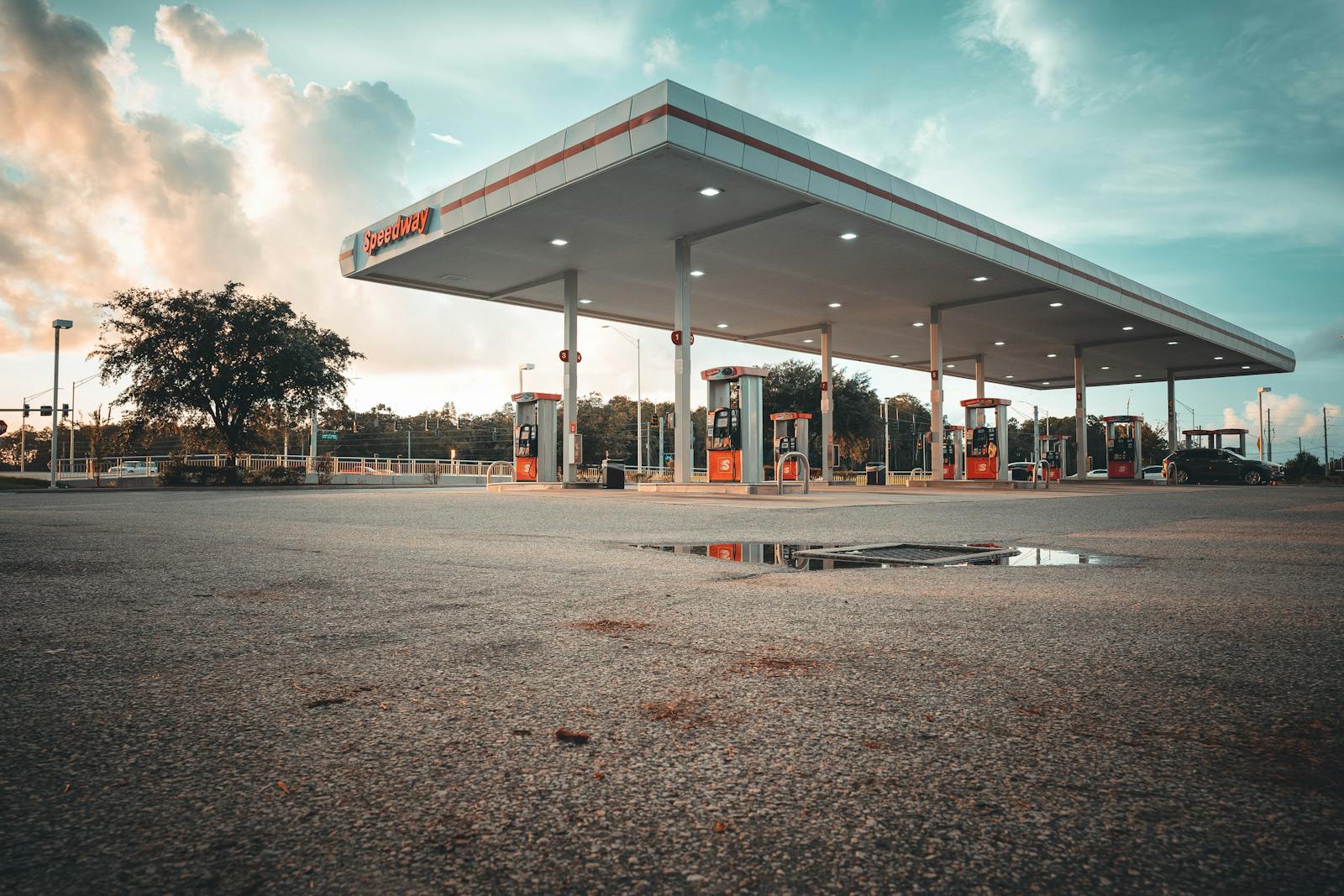

What started as a tense exchange at a neighborhood gas station in Minneapolis has turned into a national flashpoint over immigration enforcement, corporate responsibility, and how far local businesses will go to side with their communities. A Minnesota Speedway on Portland Avenue refused to serve federal immigration agents, pushed them off the property, and then watched the fallout explode across social media and cable news. The clash dropped right into a city already roiled by protests against Immigration and Customs Enforcement, turning one gas station counter into the latest front line in the fight over ICE.
The Speedway incident did not happen in a vacuum. It unfolded in a Minneapolis that has seen crowds surround federal vehicles, restaurants shut down in coordinated “ICE Out” actions, and protesters chase agents from hotels and other public spaces. By the time the agents walked back to their SUV outside that Portland Avenue store, the city’s anger at immigration raids was already primed, and the backlash that followed was almost guaranteed.
The moment a routine stop turned into a standoff
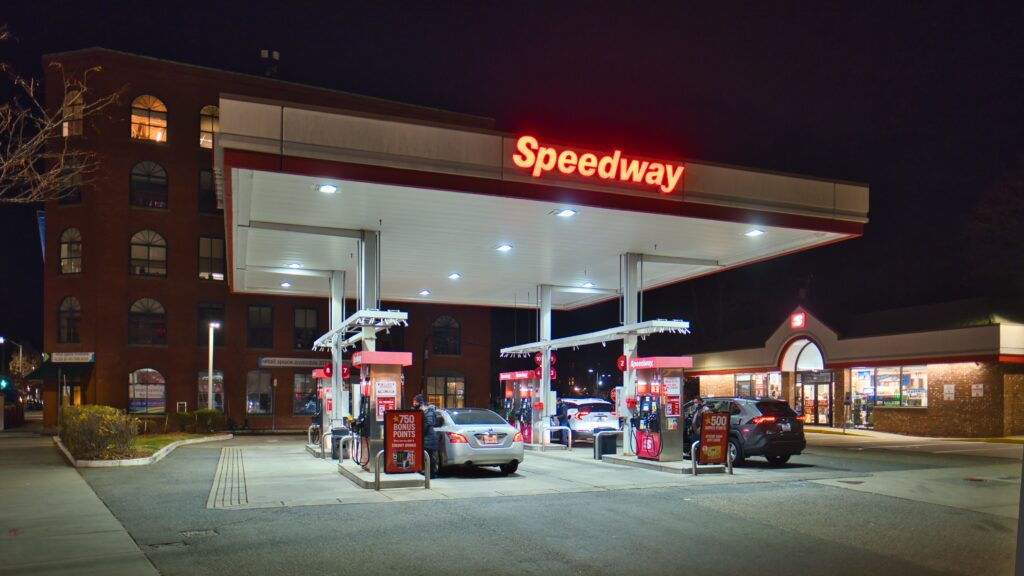
According to multiple accounts, the confrontation began when immigration agents walked into The Speedway gas station on Portland Avenue in Minnesota and tried to make a purchase like any other customer. Instead of a quick transaction, they were told they would not be served, and the staff made it clear that the store did not support ICE operations. One widely shared post described how the Minnesota gas station flatly denied service to ICE agents and told them to leave.
Things did not calm down once the agents stepped outside. As they walked back to their SUV, they were followed by an angry crowd that had gathered around the parking lot, with people shouting at them and recording on their phones. Another post described how ICE agents were kicked out of the convenience store and trailed to their SUV by residents furious about what they saw as “slave patrols” style enforcement tactics. The scene captured the raw mood in Minneapolis, where federal officers have become lightning rods the moment they appear in public.
From Speedway counter to viral outrage machine
Once video clips and photos from Portland Avenue hit Facebook, the Speedway incident stopped being a local dustup and turned into a national argument. One image of The Speedway storefront, tagged with “Minnesota gas station denies service to ICE agents,” spread quickly as people debated whether the staff were heroes or lawbreakers. The same Portland Avenue location showed up repeatedly in posts that framed the store as a symbol of resistance, with Minnesota users cheering the refusal to serve ICE.
Supporters framed the Speedway staff as standing with immigrant neighbors, while critics accused them of discriminating against federal employees and violating corporate policy. One Facebook thread insisted that The Speedway on Portland Avenue had “found itself in hot water” for the decision to deny service to ICE agents, while others argued that businesses have the same right to refuse service that conservative bakers have claimed in high profile court fights. The argument quickly moved beyond one store to a broader question: what happens when corporate brands collide with local politics.
“CROWD FORCES ICE TO FLEE” and a city on edge
The Speedway showdown landed in a Minneapolis already simmering with confrontations between residents and federal officers. Video labeled “CROWD FORCES ICE TO FLEE Gas Station in Minneapolis” circulated online, showing a group surrounding agents at a gas station and forcing them to retreat to their vehicle. The clip, which described how a CROWD forced ICE to flee a Gas Station in Minneapolis, captured the same fury over immigration enforcement tactics that later erupted at Speedway.
Federal officials have painted a very different picture of these encounters. The Department of Homeland Security has said that ICE agents and U.S. Border Patrol officers have been stalked, pelted with food, and spat on at Minneapolis gas stations, describing agitators who harass officers as they try to carry out their duties. One account detailed how ICE agents were harassed and spat on at stations across Minneapolis, a narrative that casts the Speedway incident as part of a pattern of escalating hostility toward federal law enforcement.
Enter Commander Greg Bovino and the “goons” label
The gas station drama escalated further when Border Patrol Commander Greg Bovino himself became part of the story. In one widely shared account, Bovino and other masked federal immigration agents were confronted at a Minnesota gas station and told in no uncertain terms to leave. A social media post celebrated that “YES: Minneapolis KICKED OUT Bovino & ICE from a gas station,” describing how Border Patrol Commander his team were driven out and even coated in orange dust as protesters closed in.
Another report described the same scene in even harsher terms, referring to a “CBP Chief and His Goons Shamed Out of Minnesota Gas Station” and quoting a woman yelling “Get in your fucking car and go” as the officers retreated. That account said the CBP Chief and tried to defend their presence but were shouted down until they left the area. For critics of ICE and Border Patrol, Bovino’s appearance at a gas station became proof that top brass were trying to project strength on the streets, only to be humbled by local pushback.
How federal officials and conservative media are framing it
On the other side of the political spectrum, federal officials and conservative commentators have used the Speedway episode and similar confrontations to argue that law enforcement is under siege. One report highlighted how agitators in Minnesota stalked and pelted U.S. Border Patrol agents with food and spit at gas stations, citing Department of Homeland Security complaints that officers were being targeted simply for doing their jobs. That same coverage noted that VICE PRESIDENT JD amid unrest over ICE operations, a sign that the White House sees political stakes in how these clashes are perceived.
Border Patrol chief Gregory Bovino has also pushed back hard on the narrative that ICE is the aggressor in Minneapolis. In a televised interview, he defended ICE operations in Minneapolis, Minnesota and blasted what he called media “no standards” in coverage of immigration enforcement. Bovino argued that officers were facing violent resistance, including protesters throwing a tear gas cannister back toward agents, and insisted that Border Patrol and ICE were being unfairly vilified. That framing casts the Speedway refusal not as a principled stand but as part of a broader breakdown in respect for federal authority.
Boycott threats, corporate ownership, and the Speedway brand
As the Speedway story spread, attention quickly shifted from one employee’s decision to the corporation behind the red and white logo. Commenters dug into who actually owns Speedway and whether the company would back its staff or side with federal agents. One viral thread insisted that “Speedway is fully owned” by a larger corporation and that all locations are corporate, not franchises, with users pointing out that Linda Dempski Lowande and other commenters believed Seven Eleven owns the brand.
That corporate backdrop fueled calls for both boycotts and buycotts. Some users vowed never to buy gas from Speedway again, arguing that a corporation should not allow employees to refuse service to federal agents. Others promised to fill up there more often, praising the store for siding with immigrants. One post warned that Speedway was facing boycott calls after ICE agents were kicked out of a gas station, while another insisted that the backlash should be aimed at the corporation, not just the person running that one station, since Linda Dempski Lowande and others stressed that most locations are corporate owned.
Restaurants join in with “ICE Out” and business leaders push back
The Speedway episode also synced up with a broader wave of business-based protest in Minnesota. Dozens of restaurants across the state announced plans to shut down on a Friday as part of an “ICE Out” action, closing their doors to show solidarity with immigrant communities and opposition to stepped up enforcement. One bar, Bull’s Horn, wrote on Instagram that “We stand with our immigrant community and neighbors and will be closed for the ‘ICE Out’ protest,” a message that echoed the handwritten signs taped to a gas station door in Minneapolis that told ICE to stay away. Coverage of the restaurant shutdowns noted that Bull’s Horn bar explicitly linked its closure to the gas station protests.
At the same time, business leaders worried that the confrontations were spiraling into something more dangerous. The Minnesota Chamber of Commerce released a letter on behalf of more than one hundred employers, urging calm and warning that violent clashes could hurt workers and customers. That letter came after a DHS statement that an officer and a subject were both in the hospital and two other people were in custody following a separate incident, with DHS saying video posted to social media showed protesters confronting agents and demanding they leave the state. For the Chamber, the Speedway moment was part of a larger pattern that threatened both public safety and Minnesota’s business climate.
Protests spill from gas stations to hotels and city streets
By the time the Speedway story caught national attention, Minneapolis had already seen protests jump from gas station forecourts to hotel lobbies. On a recent Sunday, protesters stormed a hotel where they believed federal agents were being housed, chanting slogans and clashing with security. A report from MINNEAPOLIS described how Protesters filled the lobby after a second fatal shooting by a federal officer, with signs reading “ICE OUT OF MPLS” and chants echoing the same message that had been taped to gas station doors.
Those hotel protests fed back into the narrative around the Speedway confrontation. For activists, the gas station refusal was one more example of Minneapolis residents using whatever leverage they had, from hotel bookings to gas pumps, to make the city inhospitable to ICE. For federal officials, it was another sign that agents could not move safely in public without being surrounded. One account of unrest in MINNEAPOLIS, attributed to TNND, described protesters storming the hotel on Sunday in scenes that looked a lot like what had already been happening at gas stations.
The politics swirling around one Minnesota gas station
It did not take long for national politics to latch onto the Speedway story. A Facebook page supporting Donald Trump for president shared a post titled “Commander Bovino Denied Service at Minnesota Speedway,” mocking both the officer and the store employee. Commenters joked about whether the same actor had once pretended to be a security guard at McDonald’s, and one user, Mike C. Winters, cracked that he heard Trumpty Dumpty could not even get a coffee there. The thread mixed jokes about Bud Light style boycotts with serious calls to fire the employee and hold Speedway liable, underscoring how quickly a local dispute can be folded into national culture war scripts.
At the same time, immigrant rights supporters and progressive groups were using the same incident to rally their own base. A separate post from YES, which celebrated that “Minneapolis KICKED OUT Bovino & ICE from a gas station,” framed the confrontation as a win for community organizing and a warning to federal agencies that they were not welcome. That post highlighted how Minneapolis KICKED OUT and coated him in orange dust, a vivid image that quickly became shorthand among activists for standing up to ICE. In that sense, the Speedway backlash is less about one store’s policy and more about how every public encounter with ICE is now a stage for competing political narratives.
Where Minneapolis goes from here
For now, the Speedway on Portland Avenue is still just a gas station, but it is also a symbol that both sides are eager to claim. Supporters of the staff see a Minnesota gas station that refused to normalize immigration raids, pointing to posts that proudly describe how Minnesota gas station employees chose to deny service to them. Critics see a breakdown in the basic expectation that federal officers can buy gas and snacks without being chased off the property, echoing DHS complaints that agents are being harassed at multiple gas stations around the city.
More from Wilder Media Group: