
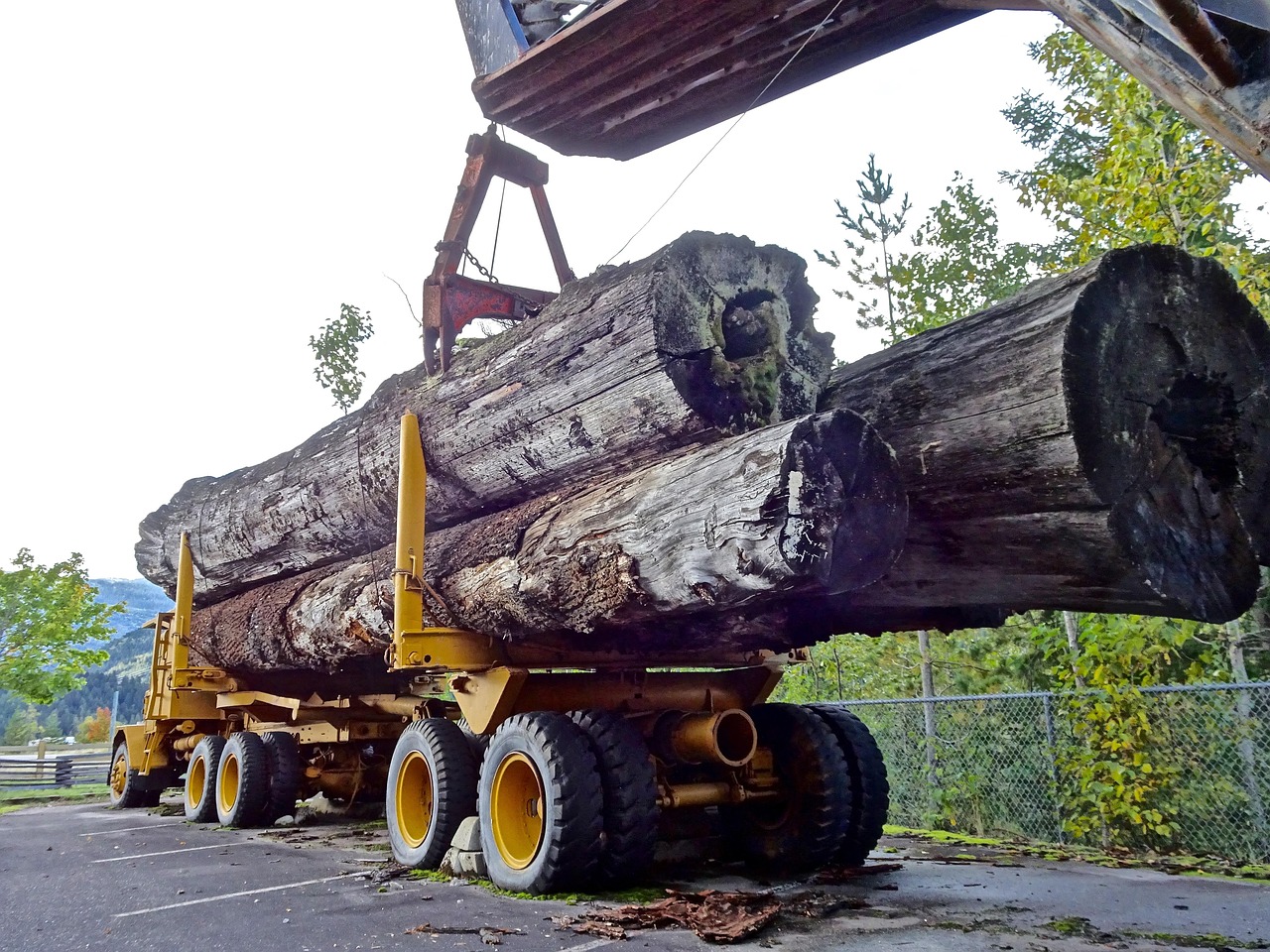

Highway traffic looks calm right up until the second it is not. In the viral dashcam clip behind this headline, a truck drops part of its load into live traffic and the drivers behind have no real chance to dodge, brake, or even process what they are seeing before it is already in their lane. It is the kind of heart‑stopping moment that plays out in a few frames on video but exposes a whole chain of decisions, from how cargo was secured to how closely everyone was following.
That sudden chaos is not a one‑off freak event. From industrial pipes bouncing across a Texas freeway to rubble scattered along a seaside boulevard, recent footage shows how quickly a routine drive can turn into a rolling obstacle course. The cameras keep rolling, and increasingly, those clips are shaping not just public outrage but also safety rules, lawsuits, and the way professional drivers defend themselves after a crash.
When a load lets go in live traffic
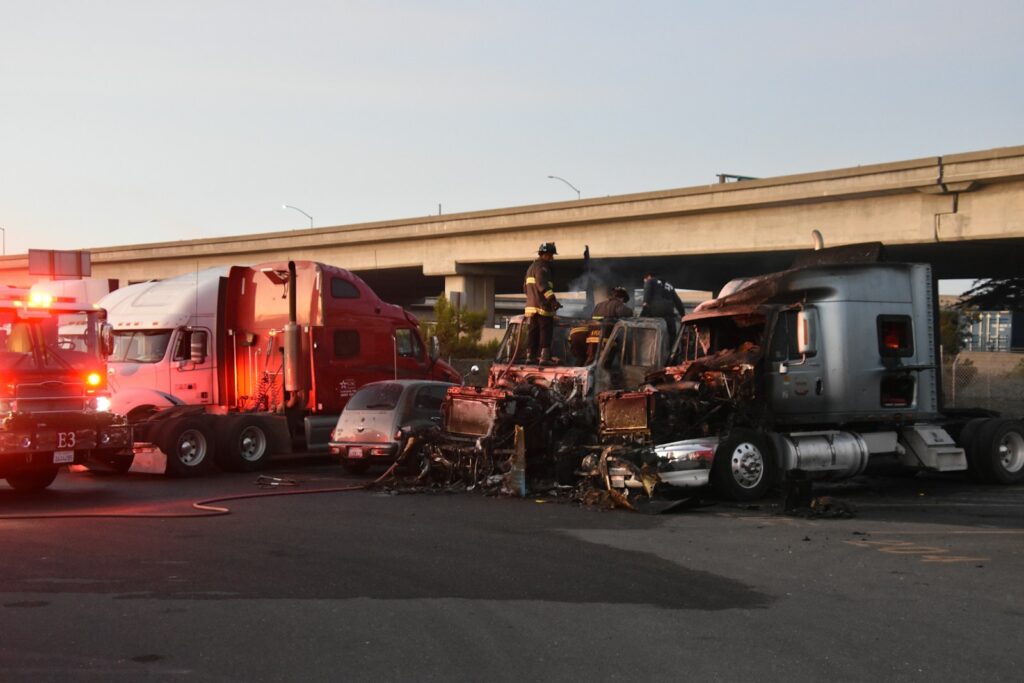
In the Texas incident that has been ricocheting around social feeds, a truck carrying oversized industrial pipes is cruising along a busy freeway when several of those pipes suddenly break free and drop straight into the traffic stream. The video, recorded On January 27, 2026 on a freeway in Texas, shows the pipes slamming down, then bouncing unpredictably across lanes as the drivers behind try to thread the needle between braking and getting rear‑ended. Nobody in those trailing cars had time to make a thoughtful choice about escape routes; they were reacting to physics and luck.
The same basic script plays out in other corners of the world, just with different props. In Sliema, a heavy truck spilt a full load of construction debris across Tower Road near Plaza, turning a waterfront commute into a slalom through rubble. Drivers who were simply following the flow suddenly found bricks and broken concrete where their lane used to be, and once again, the dash‑style clips circulating online show how little warning they had. The common thread is not driver heroics or failure in the moment, it is that once a load comes loose at speed, everyone behind is basically along for the ride.
Dashcams, icy roads, and the blame game
Those split seconds are exactly why more fleets and everyday motorists are leaning on dashcams, not just for social media shock value but as a kind of black box for the road. In one widely shared clip, a camera mounted in a following vehicle captures a truck losing its load in real time, the same way another viral video shows a nurse practitioner with her face buried in her phone while piloting a car, a moment that later fueled a lawsuit and a debate over whether she was illegally recorded. Millions watched that distracted‑driving clip, and the same appetite for raw, unfiltered evidence is now shaping how regulators and courts think about crashes that unfold in a blink.
Regulators are catching up to that reality. Federal officials now accept video evidence when truckers challenge crash fault, including in Following Distance Claims where a vehicle ahead makes a sudden, unsafe stop and leaves no room to react. For a driver stuck behind a truck that suddenly sheds its cargo, that kind of footage can be the difference between being blamed for “following too closely” and proving that the other vehicle’s actions were unreasonable. The same logic applies when a dashcam catches a trucker doing everything right and still getting swept into someone else’s mess, as in a video of a bobtail semi and an SUV losing control on an icy stretch of highway, a reminder that sometimes the road itself is the real culprit.
Winter hazards, shifting loads, and what drivers can actually control
Weather piles on another layer of chaos that no amount of perfect following distance can fully erase. In Ohio, troopers shared video of a bobtail truck veering wildly and sliding off icy 70, a clip that shows how slick roads and powerful winds can turn a straight line into a sideways slide in seconds. The Ohio State Highway Pat and OSHP used that footage to hammer home that even experienced drivers in Ohio can get caught out when traction disappears without warning. On elevated structures, the risk spikes even more, which is why safety advocates keep warning that Overpasses and Bridges are Elevated trouble spots where ice forms faster and hangs around longer.
Even when the pavement is dry, the cargo itself can turn on the person hauling it. In one recent case, a truck driver narrowly escaped injury after a load shift drove large sheets of metal straight through the back of a semi cab, a near‑miss captured near Interstate 90 in WashingtonState. Another clip shows a cattle hauler stopped on the shoulder with its cargo dangerously out of position, a quiet counterpoint to the more dramatic footage of a heavy truck spilling debris in Sliema or a load of pipes scattering across Texas. In each case, the driver behind the camera, whether in a compact car or another rig, has almost no time to get out of the way, which is why so many are now running their own dashcams, from basic windshield units to higher‑end systems like the one that captured a truck losing its load in a widely shared dashcam clip.
More from Wilder Media Group: