
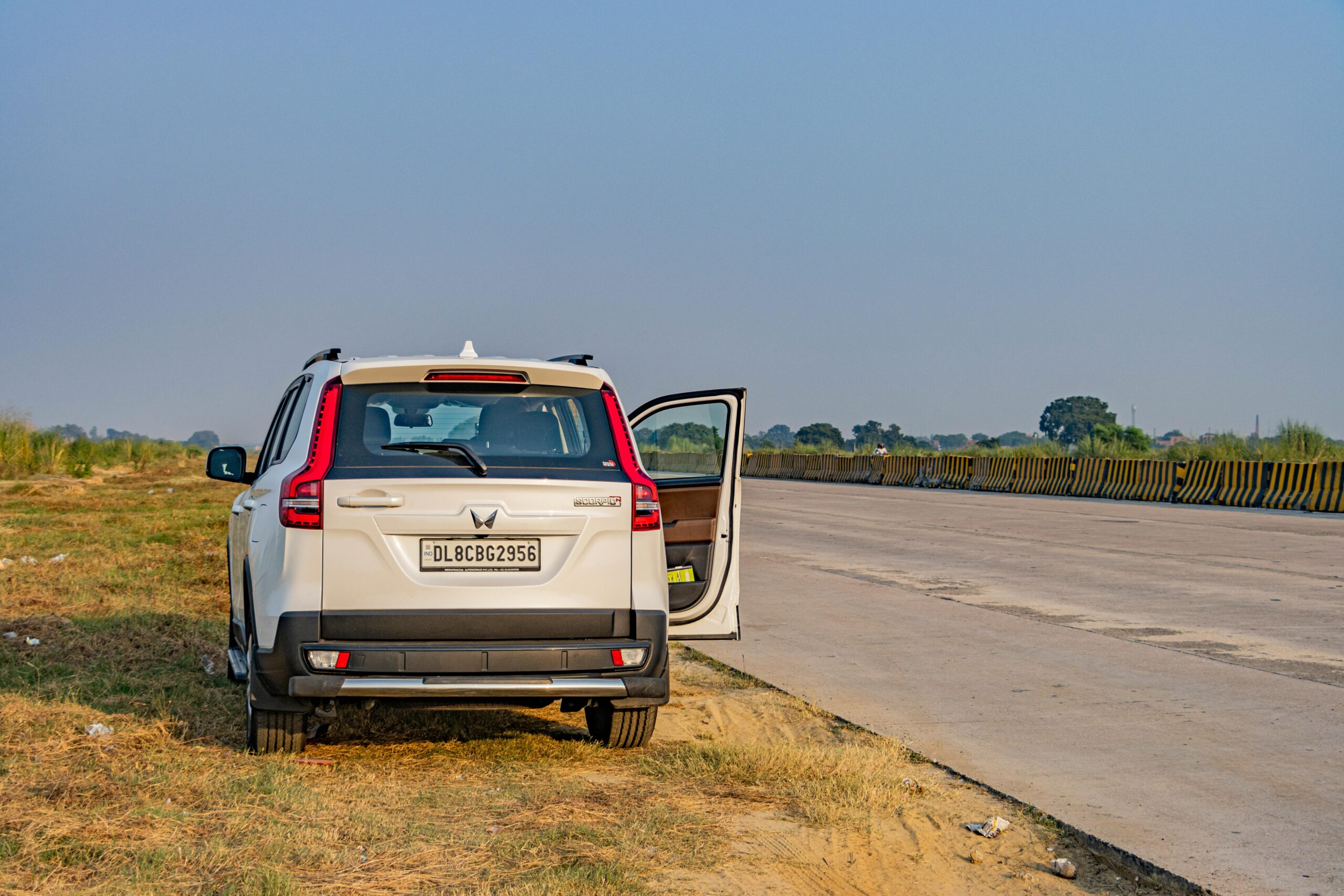

Picture this: you’re cruising down the highway, your favorite road trip playlist blasting, when suddenly those ominous flashing lights appear in your rearview mirror. Cue the heart rate spike! But have you ever wondered what’s going through the officer’s mind as they approach your vehicle? Spoiler alert: it’s not just about whether you’ve got your seatbelt on. Let’s break down four key things police officers look for during a traffic stop — and trust me, it’s more than just checking your registration.
1. Your Driving Behavior
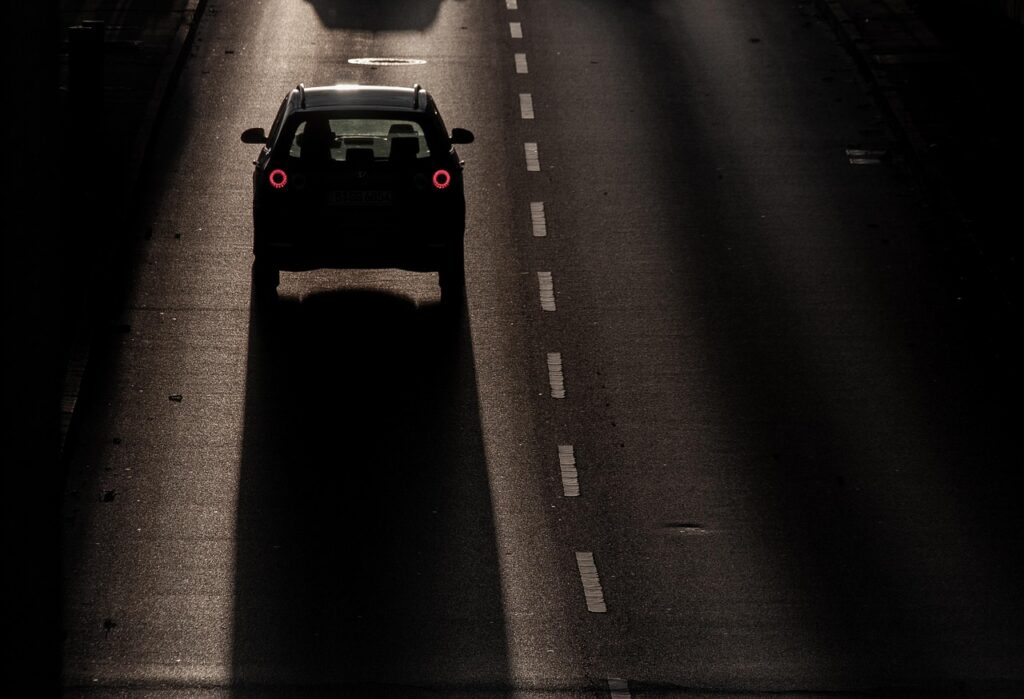
First things first, how you drive can set the tone for the entire interaction. Were you swerving like a contestant on a reality show obstacle course? Or maybe you were cruising a bit too slowly, taking the scenic route through a 35 mph zone? Officers are trained to notice erratic driving patterns, which can signal anything from distraction to impairment. The more cautious and compliant you are, the more likely they’ll be to approach your vehicle with a less suspicious mindset.
So, next time you’re behind the wheel, remember: it’s not just about obeying the speed limit. Keeping your hands on the wheel, using your turn signals, and generally not looking like you’re trying to dodge a roadblock can go a long way in establishing a good rapport — or at least not giving them a reason to think you’re up to something.
2. Your Vehicle’s Condition
Now, let’s talk about your ride. Police officers often take note of the condition of your vehicle as they approach. Is that a bumper sticker from the 90s? Or maybe your tailpipe is spewing more smoke than a BBQ pit? A vehicle that looks like it’s seen better days can raise some red flags. They might wonder if the car is stolen, if you’re avoiding maintenance for a reason, or if you’re just living your best life in a classic clunker.
It’s a little like a first date; if you show up in sweats and a T-shirt with questionable stains, the other person might question your commitment to the evening. So, keeping your vehicle clean and in good repair isn’t just about looks — it can actually help you avoid unnecessary attention.
3. Your Body Language
Here’s where it gets interesting. Once the officer reaches your window, they’re not just checking your ID; they’re also reading your body language like a book. Are you fidgeting, looking around nervously, or sweating like you just ran a marathon? These subtle cues can lead them to suspect you might be hiding something, even if you’re just anxious about getting a ticket.
On the flip side, showing calmness and cooperation can really work in your favor. A friendly smile, eye contact, and a relaxed demeanor can go a long way. Remember, officers are human too. They’re more likely to respond positively if you treat them like people and not just the bearers of bad news. And hey, if you throw in a little humor (keep it light!), it can ease the tension. Just don’t overdo it; you’re not auditioning for a comedy special!
4. Your Passengers
Finally, let’s not forget about the people in your car. Officers will take note of your passengers and their behavior. If everyone in the backseat is acting like they’re plotting a heist or if someone looks like they forgot to shower for a week, it could raise some eyebrows. Officers are trained to assess the dynamics in your vehicle, especially if they notice any unusual behavior or if the passengers seem overly anxious when they see the lights.
So, if you’re planning on carpooling, make sure your crew knows the drill. A calm, collected group can help you all get through the stop with minimal drama. And who knows? Maybe they’ll even crack a joke that helps lighten the mood. Just make sure it’s not at the expense of the officer; that could backfire!
What to Keep in Mind
Traffic stops can be nerve-wracking for everyone involved. Officers have a tough job, and while they’re working to keep the roads safe, they’re also trained to assess situations quickly and effectively. By being aware of what they’re looking for, you can navigate those moments with a bit more confidence.
Of course, if you ever feel uncomfortable or unsure during a stop, it’s totally okay to ask for clarification or even request to pull over to a well-lit area. Your safety and comfort should always come first. Just remember: a little kindness and cooperation can go a long way in turning a potentially stressful encounter into just another blip on your day. After all, nobody wants to be the star of a traffic stop saga!
More from Steel Horse Rides: