

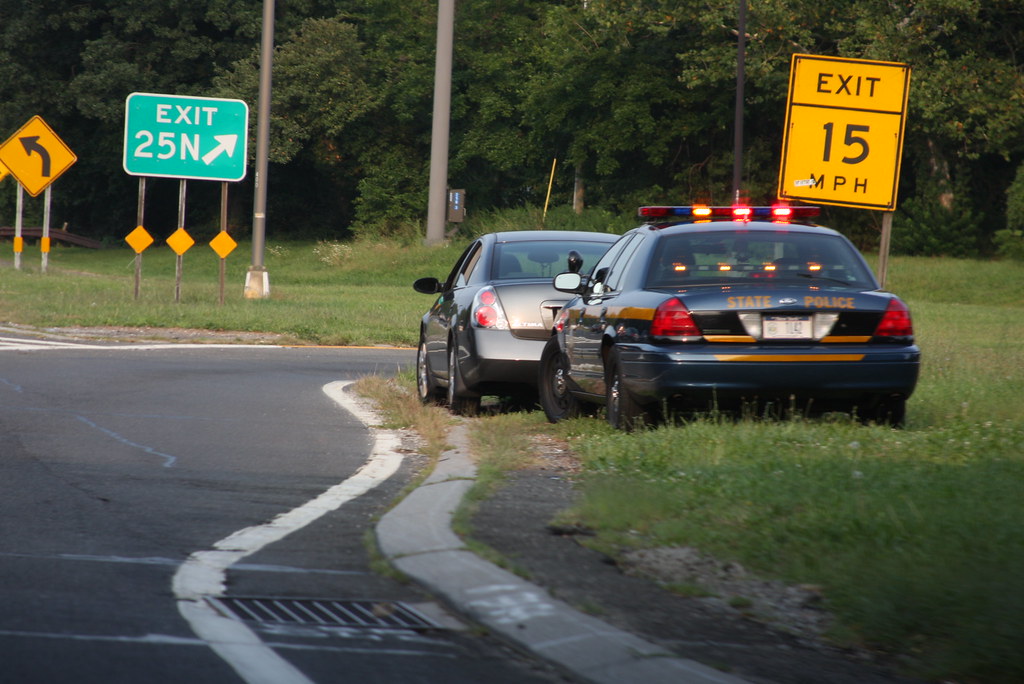
Picture this: you’re cruising down the road, music blaring, maybe even singing along to your favorite tune. Suddenly, you see those flashing lights in your rearview mirror. Your heart sinks a little, and you pull over, hoping for a quick chat about your tail light. But what if that friendly little traffic stop turns into something more intense? Let’s talk about five signs that things might be about to escalate, so you can keep your cool and stay safe.
1. The Officer Approaches with a Serious Face
First impressions matter, right? When the officer approaches your car, watch their expression. If they’re wearing a serious face, it might be a sign that they’re on high alert. A relaxed demeanor usually means a straightforward interaction, but if they’re frowning or have a furrowed brow, it could indicate that something’s off. Maybe they’ve spotted something suspicious, or perhaps they’re just having a rough day. Either way, it’s time to stay sharp and be cautious.
2. Unusual Questions Start Piling Up
We all know the standard questions during a traffic stop: “Do you know why I pulled you over?” and “Can I see your license and registration?” But if the officer starts asking questions that seem a bit off-script—like where you’re headed, who else is in the car, or even about your plans for the weekend—things might be getting dicey. Officers might be trying to gauge your story or see if you’re acting nervous. So, keep your answers straightforward and don’t give them any extra material to work with.
3. They’re Not Alone Anymore
Ever notice how a traffic stop can sometimes feel like a scene from a movie? If you see another police car rolling up, it’s time to pay attention. While multiple officers can sometimes mean they’re just being cautious, it can also indicate that they’re expecting something more serious. Maybe they’ve picked up on a potential threat or just want backup for whatever reason. Either way, don’t panic—just stay calm and continue to follow their instructions.
4. You’re Asked to Step Out of the Vehicle
This one’s a biggie. If the officer asks you to step out of your vehicle, it’s usually a sign that they’re moving beyond a simple traffic violation. While it’s not always a cause for alarm, it can mean they want to conduct a search or investigate further. Don’t get defensive; instead, comply respectfully. Remember, officers are trained to handle situations that could escalate, and you want to make sure you’re not adding fuel to the fire. Plus, stepping out can help you maintain a non-threatening posture—literally.
5. There’s a Change in Tone or Body Language
Sometimes, it’s not just what’s said, but how it’s said. If you notice the officer’s tone getting sharper or their body language becoming more rigid, it’s worth taking note. Maybe their posture has changed, or they’re standing closer to your window than before. These subtle cues can indicate that they’re feeling uneasy or that the situation is shifting. Stay calm, keep your hands visible, and try to match their calmness with your own. A little bit of chill can go a long way in these situations.
Keep Your Cool
So, what should you do if you sense things might be escalating? First, take a deep breath. It sounds cliché, but staying calm is crucial. If the situation does escalate, remember that you have rights. You’re allowed to ask if you’re free to go or if you’re being detained. Make sure to document everything afterward—take notes, gather any relevant information, and reach out to a trusted friend or family member. Staying calm and knowing your rights can make all the difference.
Wrap-Up: Stay Aware, Stay Safe
Traffic stops are a part of life, but they don’t have to be a cause for panic. By being aware of these signs, you can help keep the situation from escalating. Stay respectful, keep your cool, and remember: the goal is to get home safe. So, next time you see those flashing lights, you’ll know exactly what to look out for. And hey, maybe keep the volume down on that music just a tad, okay?