
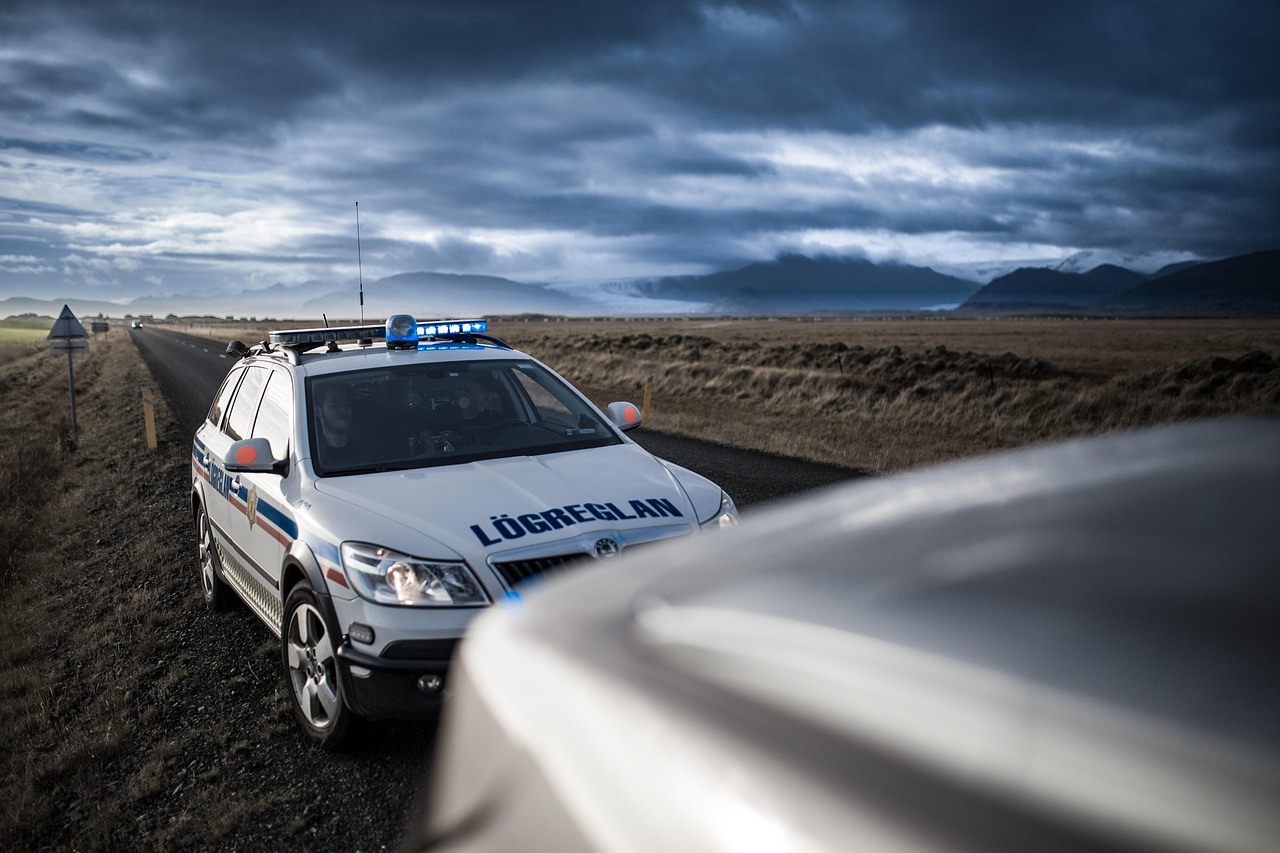

We’ve all been there: cruising down the road, tunes blasting, and suddenly, those red and blue lights flash in the rearview mirror. Your heart drops, and you can’t help but wonder what you did wrong. While traffic stops can feel daunting, there’s a lot we can learn from the experience—not just about traffic laws but also about behavior. Believe it or not, officers are always watching, and there are some behaviors that never go unnoticed. Let’s chat about five of them.
1. The Classic “Fumbling for Paperwork” Routine
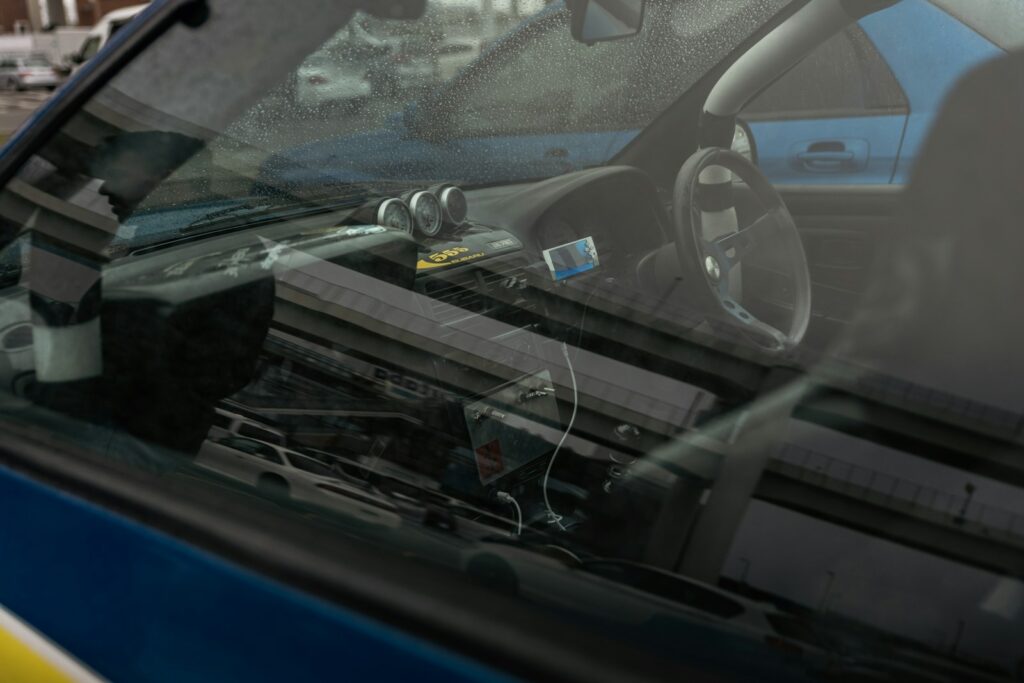
Ever seen someone digging through their glove compartment like they’re searching for buried treasure? Yeah, officers notice that. When you’re pulled over, it’s natural to feel a bit flustered. But if you spend 10 minutes rifling through your car for your license and registration, it raises a few eyebrows. Officers appreciate it when you have your documents ready—showing that you’re prepared can go a long way in setting the tone for the interaction.
So, maybe keep your registration and insurance card in an easy-to-reach spot? You might just save yourself a bit of time—and an awkward silence. Plus, it makes you look a little more organized, and who doesn’t want that?
2. The Overzealous Apology
We’ve all heard it: “I’m so sorry, officer! I didn’t mean to!” While it’s great to be polite, over-apologizing can start to feel a bit insincere. Officers are trained to read body language, and if you’re throwing apologies around like confetti, it might come off as nervousness or even guilt. Instead, a calm “I didn’t realize I was speeding” is much more effective. It shows you’re aware of the situation without overdoing it.
Think about it this way: a friendly acknowledgment of what happened can lead to a more relaxed conversation. And who knows—maybe you’ll even get a warning instead of a ticket!
3. The Distracted Driver Shuffle
Texting, fiddling with the radio, or just generally appearing distracted can be a red flag for officers. They want to ensure that when they approach your vehicle, you’re focused and aware. If you’re looking everywhere but at the officer, it can be perceived as suspicious. So, when you’re pulled over, try to keep your eyes on the road and the officer. It shows you’re engaged and not up to any funny business.
Plus, it’s a good excuse to put your phone down for a moment! You might even notice the beauty of the trees lining the road—silver linings, right?
4. The “I Know My Rights” Attitude
Don’t get me wrong; knowing your rights is super important. But there’s a fine line between being assertive and coming off as combative. If you start quoting laws or demanding to know why you were pulled over before the officer even says hello, it can make things tense. Officers appreciate a respectful conversation, so it’s best to approach the situation with a calm demeanor.
Remember, they’re just doing their job. You can assert your rights without turning the stop into a courtroom drama. A little courtesy can go a long way in making the interaction smoother for everyone involved.
5. The Good Old “I Was Just Following GPS” Excuse
Ah, the classic. “I swear, officer, my GPS told me to turn here!” While we’ve all had our moments of being led astray by technology, relying too heavily on that excuse can make you seem a bit evasive. Officers hear it often, and it can come off as deflecting responsibility. If you genuinely got lost, just say so without blaming your trusty navigation app.
Honesty really is the best policy. If you admit you were a bit turned around, it shows you’re being sincere. Plus, it makes for a more genuine conversation. Who knows? You might even get some helpful directions back on track!
Wrapping It Up
Traffic stops can be intimidating, but they don’t have to be. By being aware of your actions and how they might be perceived, you can navigate the situation with a bit more ease. Remember, officers are just people doing their jobs, and a little respect and straightforwardness can go a long way.
So next time those lights flash, take a deep breath, keep your cool, and remember these pointers. You never know—your behavior might just make that stop a lot less painful than it could be!
More from Steel Horse Rides: