
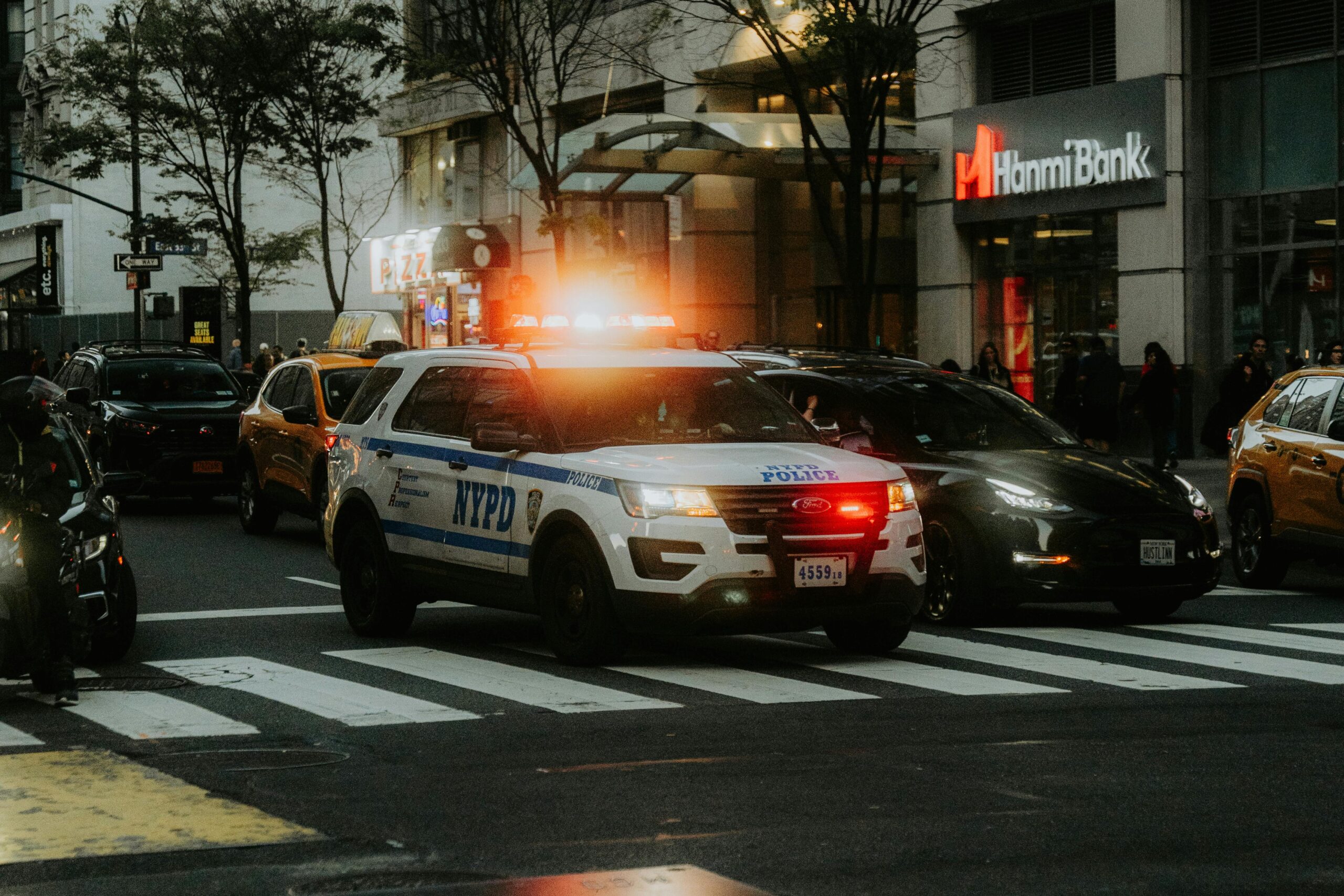

Ever had that heart-pounding moment when you see flashing lights in your rearview mirror? You know, that feeling when your stomach does a little somersault and you suddenly remember your last three trips to the grocery store? Yeah, that one. Well, before you even think about rolling down your window, there are a few things the police are likely noticing about you and your vehicle. Here’s a friendly rundown of what’s on their radar.
Your Driving Behavior
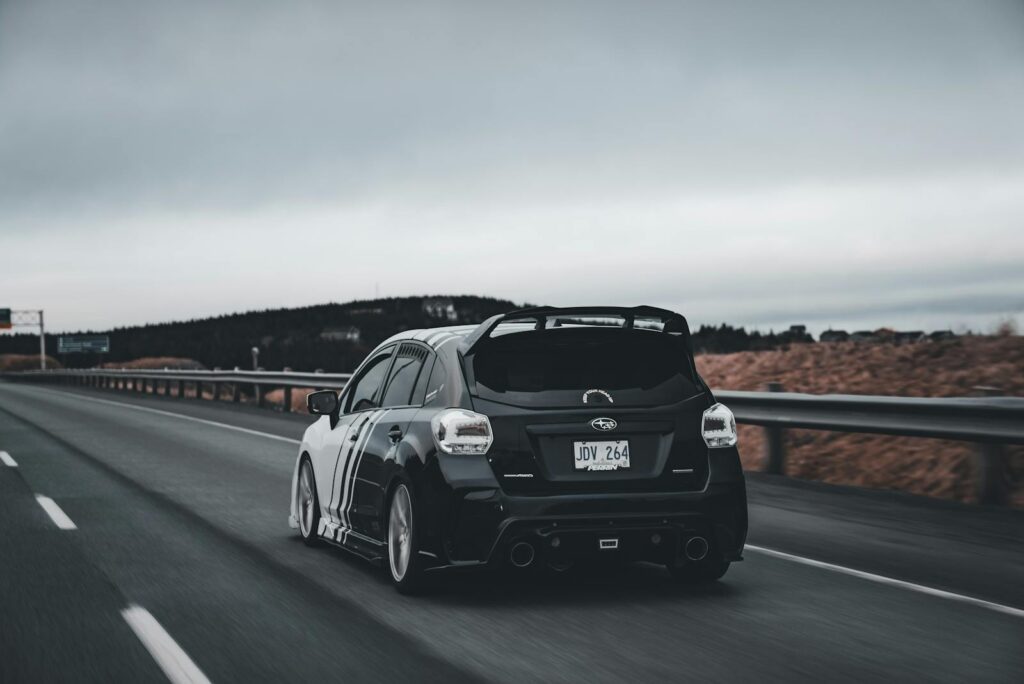
First things first, the way you drive is a huge giveaway. Are you swerving like you’re trying to dodge imaginary potholes, or cruising along smoothly within the speed limit? Police officers are trained to spot erratic driving, and if you’re exhibiting signs of distraction or impairment, you might just catch their attention faster than you can say “license and registration.”
Even little things, like not using your turn signal or making abrupt stops, can raise eyebrows. Think of it like being on the road as a mini audition for a reality show — you want to show off your best driving skills. So, keep it cool, calm, and collected behind the wheel. You’ll make it easier on yourself and everyone else on the road.
Vehicle Condition
Next up, the condition of your vehicle can tell a story all its own. If your car looks like it just survived a mud wrestling match or has a headlight out, that might send a signal that you’re not the most responsible driver. Police notice the little things — like worn-out tires, cracked windshields, or expired registration stickers. It’s like having a messy living room; it doesn’t give off the best impression, does it?
Taking care of your car isn’t just about appearances, though. It’s also about safety. A well-maintained vehicle is less likely to get you into trouble and more likely to keep you on the right side of the law. So, give your ride a little TLC from time to time — you never know when it might save you from a traffic stop!
Location, Location, Location
Here’s a fun fact: where you are can be just as important as how you’re driving. If you’re cruising through a high-crime area or a spot known for frequent traffic stops, police are naturally going to be more alert. It’s like being in the wrong neighborhood at the wrong time — they might just be on high alert, and you don’t want to accidentally catch their eye.
So, if you’re in an unfamiliar area, keep it low-key. Stick to the speed limit, and avoid any sudden maneuvers. Sometimes, it’s not about what you’re doing wrong, but where you’re doing it that can raise suspicion. Just like you wouldn’t want to waltz into a fancy restaurant wearing flip-flops, try to fit the vibe of the neighborhood you’re driving through.
Passenger Behavior
Now, let’s talk passengers. If you’ve got a full carload of friends laughing and throwing their hands up like they’re at a concert, that might just catch the attention of an officer. Loud music, rowdy behavior, or even passengers who look like they’re up to no good can be a red flag. It’s like having a party bus rolling down the street — it might be fun, but it can also attract unwanted attention.
Encouraging your friends to keep it chill while you’re driving is a good idea. Not only does it keep the atmosphere relaxed, but it also helps you avoid any unnecessary scrutiny. Remember, you’re the captain of your ship (or car, in this case) — steer the vibe in the right direction!
Your Body Language
Lastly, let’s not forget about you. Yes, you! The way you’re acting when pulled over can be a big indicator for police. Are you fidgeting like you’ve just downed three cups of coffee, or are you calm and collected? If you seem overly anxious or nervous, it can raise questions. Think of it like an awkward first date; if you’re sweating bullets and can barely make eye contact, the other person might wonder what’s up.
When you do get pulled over, take a deep breath. Keep your hands visible, and don’t make any sudden movements. A little composure goes a long way in making sure the interaction stays friendly and straightforward. And who knows? Maybe you’ll even leave with just a warning instead of a ticket.
Final Thoughts
So, there you have it! The next time you find yourself in a situation where those flashing lights are behind you, remember these five things. Your driving behavior, the condition of your vehicle, your location, your passengers, and even your own body language can all play a role in the dynamics of the stop. Just stay cool, stay safe, and keep those hands on the wheel. After all, nobody wants to add an unexpected traffic stop to their day, right?
More from Steel Horse Rides: