
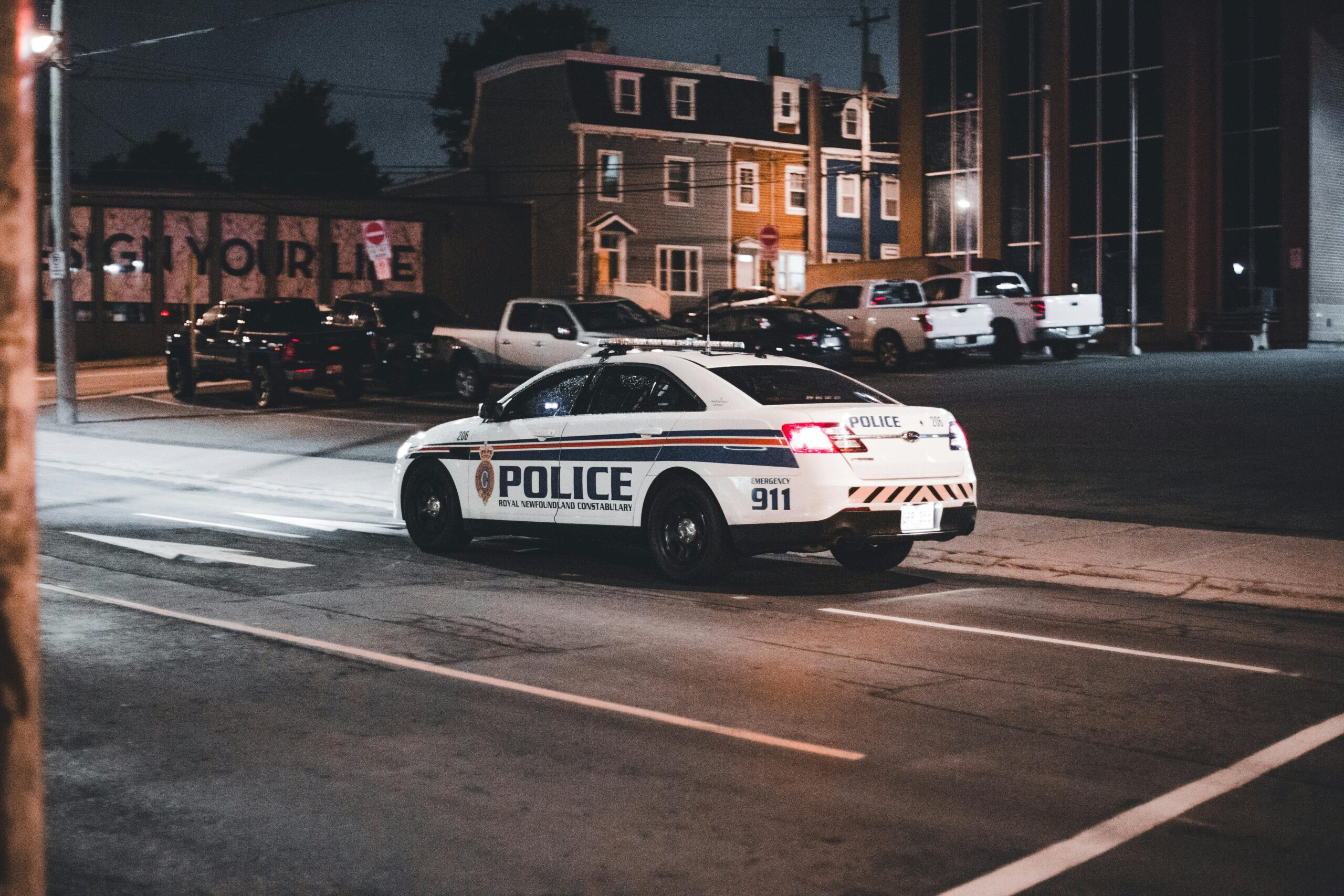

Picture this: You’re driving home after a long day, and suddenly you hear sirens blaring behind you. You glance in your rearview mirror and see a police car in hot pursuit of a speeder. It’s like a scene from a movie, but then the unexpected happens — the police back off. What gives? Why do they sometimes just let the bad guy go? Let’s unpack this with four solid reasons why law enforcement might call off a chase.
1. Public Safety Comes First

This one’s a no-brainer. Police are trained to protect and serve, and that means prioritizing the safety of innocent bystanders. If a chase is getting too wild — think high speeds through crowded streets or reckless driving — officers might decide it’s just not worth the risk. After all, that person in the car isn’t the only one on the road. It’s not just about catching the bad guy; it’s about keeping everyone safe, including you and me.
Imagine a scenario where a police car is zooming after a suspect, weaving in and out of traffic. It might look thrilling, but the reality is, that could lead to accidents, injuries, or worse. So, if it seems like the chase is turning into a game of bumper cars, you can bet the police will hit the brakes. Safety first, always!
2. The Crime Doesn’t Justify the Chase
Believe it or not, not every crime is created equal. If the police are chasing someone for a minor infraction — like a broken taillight or a shoplifting incident — they may decide it’s just not worth the potential chaos. Sure, it’s frustrating to see someone getting away with something, but sometimes it’s better to let it go and focus on bigger fish.
Think of it this way: If the suspect is speeding away because they forgot to pay for a candy bar, is it really worth a high-speed chase that could endanger lives? Probably not. Police have to weigh the seriousness of the crime against the risks involved in pursuit. It’s all about making smart decisions in the heat of the moment.
3. Technology to the Rescue
Welcome to the 21st century, where technology is on our side! Many police departments have access to advanced tools, like GPS tracking and aerial surveillance drones. These nifty gadgets can track a suspect’s movements without the need for a crazy car chase. How cool is that?
Instead of chasing a suspect through city streets, officers can back off, monitor the situation from a distance, and wait for the suspect to slow down or stop. This not only keeps the public safe but also helps law enforcement make strategic decisions about how to apprehend the suspect later. So, next time you see a police car pulling back, remember: it might just be that they’re relying on tech to do the heavy lifting.
4. The Suspect’s Behavior
Believe it or not, the way a suspect drives can play a big role in whether police decide to continue the chase. If the driver is erratic, weaving dangerously, or driving under the influence, officers might decide to call it quits before things get out of hand. It’s like that moment in a movie where you can just feel the tension building — and then, the hero decides it’s time to back off for the greater good.
Sometimes, a suspect might even throw in the towel and stop driving recklessly. If that happens, police have a better chance of apprehending them safely later on. It’s all about assessing the situation and making the best choice for everyone involved. After all, nobody wants a high-pressure chase ending in disaster.
So, What’s the Takeaway?
Next time you see a police chase unfold, keep these points in mind. It’s not always about the thrill of the chase or the need for immediate justice. Sometimes, it’s a careful balancing act where public safety, technology, and the nature of the crime all play critical roles. The police are not just trying to catch a suspect; they’re making decisions that can impact lives — yours included.
In a world where we often crave instant gratification, it’s refreshing to see law enforcement taking a step back for the greater good. They’re not just chasing criminals; they’re striving to keep our communities safe. And that’s something we can all appreciate, right? So, the next time you see those flashing lights, remember: there’s a lot more going on than meets the eye. Stay safe out there!
More from Steel Horse Rides: