

Traffic stops can be nerve-wracking. One minute you’re cruising along, and the next, you see those flashing lights in your rearview mirror. It’s a moment that can make your heart race, and while most stops are routine, there are factors that can turn a simple interaction into something more intense. Let’s chat about what might trigger police to escalate a traffic stop. Spoiler alert: it’s not always what you think!
1. Your Behavior Behind the Wheel
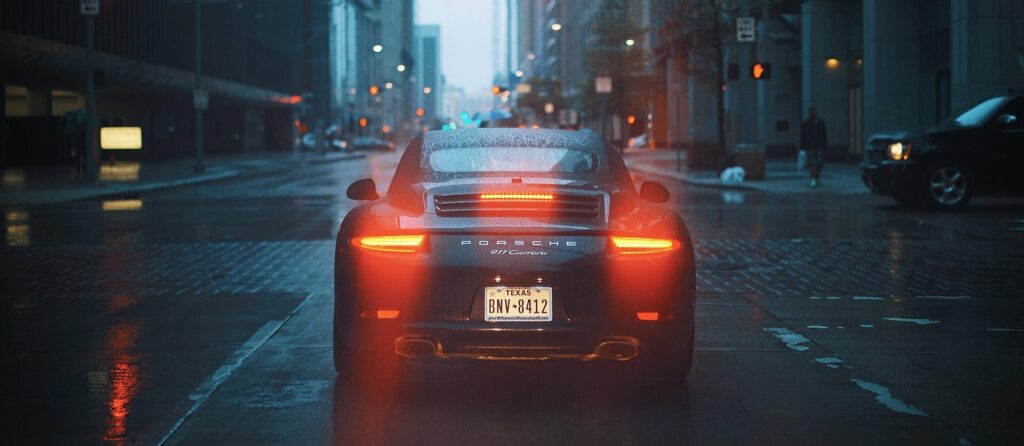
Ever heard the phrase “actions speak louder than words”? Well, when it comes to traffic stops, that’s absolutely true. If a police officer sees you swerving, speeding, or acting erratically, they’re likely to assume something’s up. Maybe you’re just having a bad day or are distracted by that catchy tune on the radio, but the officer doesn’t know that. They might approach the situation with heightened caution, which can quickly escalate the interaction.
Think of it this way: if your driving looks suspicious, it could lead the officer to believe you’re under the influence or otherwise not fit to be on the road. So, keeping it cool and collected behind the wheel isn’t just a good idea; it’s a way to help keep things calm when that officer approaches your car.
2. The Condition of Your Vehicle
Now, let’s talk about your ride. Is it looking a bit worse for wear? A car with a cracked windshield, missing headlights, or not-so-glamorous bodywork can raise red flags. Officers are trained to notice these things, and if they think your vehicle might be unsafe or even stolen, you can bet they’ll be on high alert.
It’s just like when you walk into a friend’s house and notice the messy living room. It might not mean anything, but it does set the tone for how you perceive the situation. If your car looks like it’s been through a battle, the officer might be ready for anything, which could lead to a more intense stop than necessary.
3. Your Demeanor Matters
How you respond to a traffic stop can really shape the outcome. Picture this: you’re pulled over, and as the officer approaches, you’re fidgeting, avoiding eye contact, and maybe even sweating a little. Not the best look, right? An anxious or defensive demeanor can make officers think there’s more going on than just a simple stop. They might escalate things, thinking you’re hiding something or could become confrontational.
Instead, try to stay calm. Take a deep breath, keep your hands visible, and respond politely. A little friendly interaction can go a long way. You might even get lucky and just receive a warning instead of a ticket. Who doesn’t love a happy ending?
4. If You’re Driving in a High-Crime Area
Location, location, location! Just like real estate, where you are can impact how a traffic stop goes down. If you’re cruising through an area known for higher crime rates, officers might be more vigilant. They’re trained to be on the lookout for suspicious behavior in these areas, which can lead to a more aggressive approach during a stop.
It’s not that the officers are looking to ruin your day; they’re just doing their job. But if you find yourself in a neighborhood where police presence is heightened, remember that they might be on edge. Stay cool, be respectful, and you might just make it through without any drama.
5. Previous Encounters with Law Enforcement
Lastly, your history with law enforcement can come back to haunt you. If you’ve had multiple run-ins with the cops, they might approach your traffic stop with a little more caution. Even if this time you’re just trying to get to the grocery store, that previous record could lead to a more serious interaction.
It’s a bit like that one friend who always seems to be in some kind of trouble. If you see them again, you might not be as chill as you would be with someone you know is typically responsible. If you’ve had past issues, officers might be more likely to escalate a situation because they’re not sure what to expect from you this time around.
Wrapping It Up
So, there you have it—five factors that can make police escalate a traffic stop. It’s all about perception, behavior, and context. Remember, the key is to stay calm, be polite, and keep things as straightforward as possible. Most officers are just doing their job, and a little respect can go a long way in making your traffic stop a smoother experience. Next time you see those flashing lights, take a deep breath and remember that you’re in control of your response. Who knows? It might just lead to a simple, uneventful encounter. And wouldn’t that be nice?
More from Steel Horse Rides: