

When Emergencies Go Awry
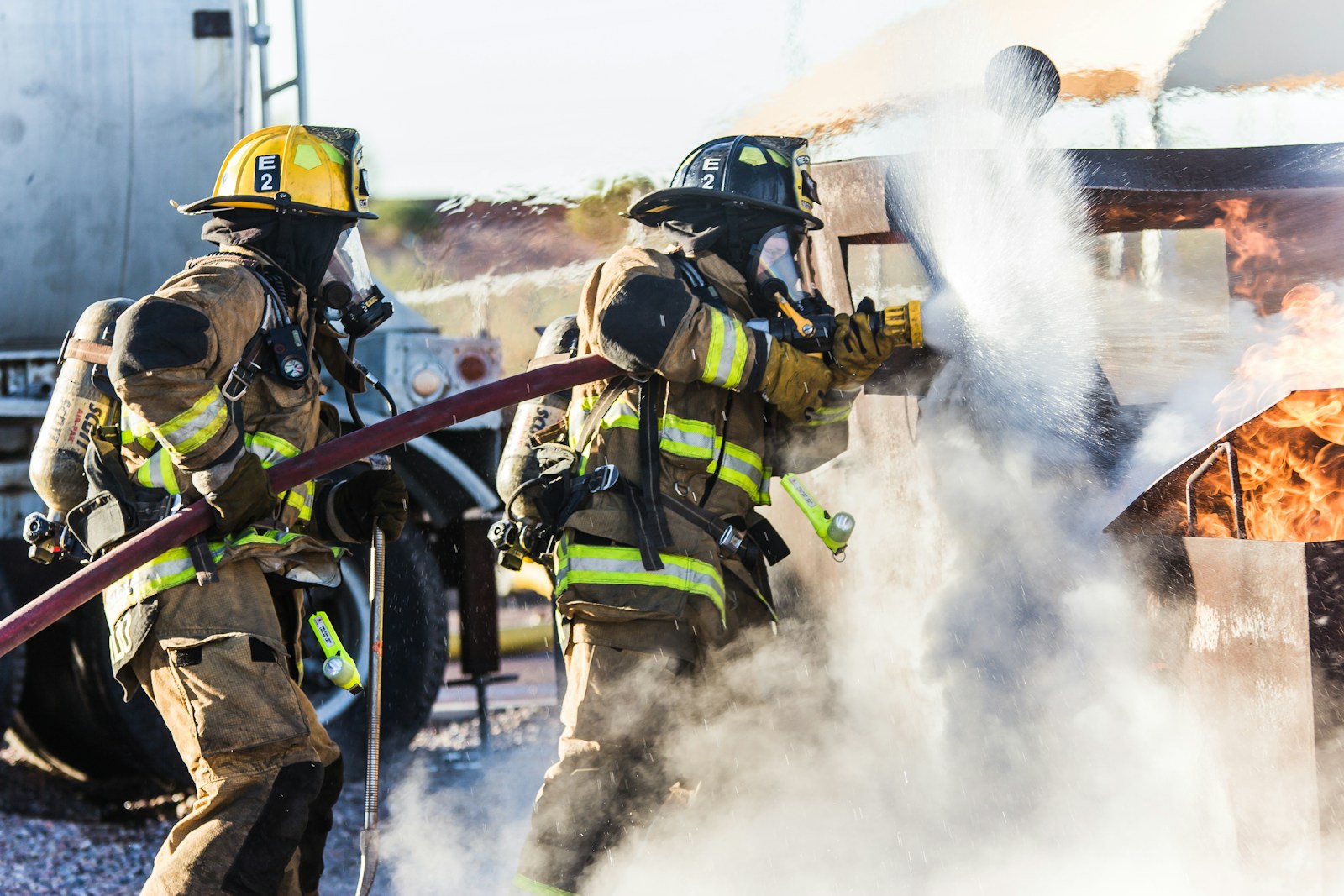
Imagine this: you’re on a fire call, adrenaline pumping, and you spot a building on fire. Time is of the essence. You grab a hose, and in a moment of sheer urgency, you run it through a car window to get to the flames faster. Sounds like a scene straight out of a movie, right? Well, for one firefighter, that’s exactly what happened. But here’s the twist—the car turned out to be an unmarked police vehicle, and now, they’ve received a bill. So, what happens next? Do they really have to pay for the damage?
The Firefighter’s Dilemma
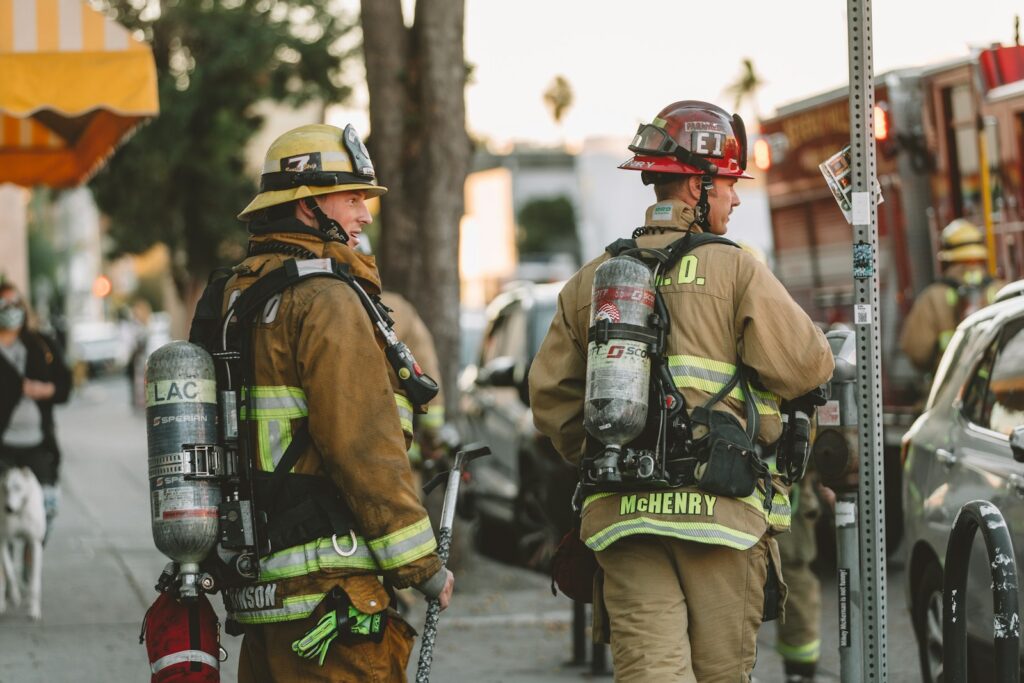
First off, let’s all agree that when it comes to emergencies, decisions often need to be made in a heartbeat. The firefighter in question was likely thinking about saving lives and property, not the potential consequences of running a hose through a car window. But here’s where it gets tricky: the car wasn’t just any vehicle; it was unmarked police property. That little detail can turn a heroic act into a financial headache pretty quickly.
Now, you might be wondering, “Isn’t there some sort of emergency service exemption for situations like this?” Well, yes and no. While many jurisdictions have laws protecting first responders from liability when acting in good faith during emergencies, things can get murky. The police department may argue that the firefighter didn’t have the right to damage their vehicle, even in the heat of the moment. Talk about a buzzkill!
Understanding Liability
Here’s where it gets a bit more complicated. Liability often hinges on a few key factors—was the firefighter acting within the scope of their duty? Was the action reasonable under the circumstances? If they were responding to a fire and needed to act quickly to save lives, there’s a strong argument for that being a reasonable action. But the law varies from place to place, and that’s where the firefighter might find themselves in a bit of a pickle.
The police department might send a bill for the damages, and while it might feel unfair, they could be within their rights to do so. But before you start imagining a courtroom drama, it’s essential to consider a few things. Could this be a case of a friendly conversation? A simple “Hey, let’s work this out” might be all it takes. Sometimes, these things can be resolved without anyone needing to whip out their checkbook.
The Bill and What to Do Next
If the bill does land in their lap, it’s time to gather some evidence. Documentation is key. Photos of the emergency scene, witness statements, and even incident reports can help build a case. The more details, the better! It’s like putting together a puzzle—every piece counts. And let’s not forget about reaching out to the fire department’s administration. They’re usually pretty supportive in situations like this and may even help navigate the conversation with the police department.
Another option? Check with a local legal expert. They can provide guidance tailored to the specific situation. It’s always nice to have someone in your corner who knows the ins and outs of local laws and regulations. Plus, they can help clarify whether the firefighter has any legal protections. You never know—there might be a precedent for similar cases!
Lessons Learned
This whole scenario serves as a reminder about how quickly things can escalate during emergencies. It’s a wild ride, and sometimes, things don’t go according to plan. But at the end of the day, the priority is always saving lives. That’s what firefighters are trained to do. And while the bill might sting a little, the real win is in knowing that they acted swiftly to protect the community.
So, will the firefighter have to pay the bill? It’s hard to say definitively. It all depends on the policies at play and how the conversation unfolds with the police department. But one thing’s for sure: it’s a story that’ll be shared around the firehouse for years to come, a reminder of the unpredictable nature of emergency response and the fine line between heroism and liability.
In Conclusion
If you ever find yourself in a similar situation—whether you’re a firefighter or just a concerned citizen—remember that every action has its consequences. Being prepared, knowing your rights, and having a solid support system can make all the difference. And who knows? Maybe the next time you need to run a hose through a car window, there’ll be a big sign on the car saying “Lifeguard in Action!”
More from Steel Horse Rides: