
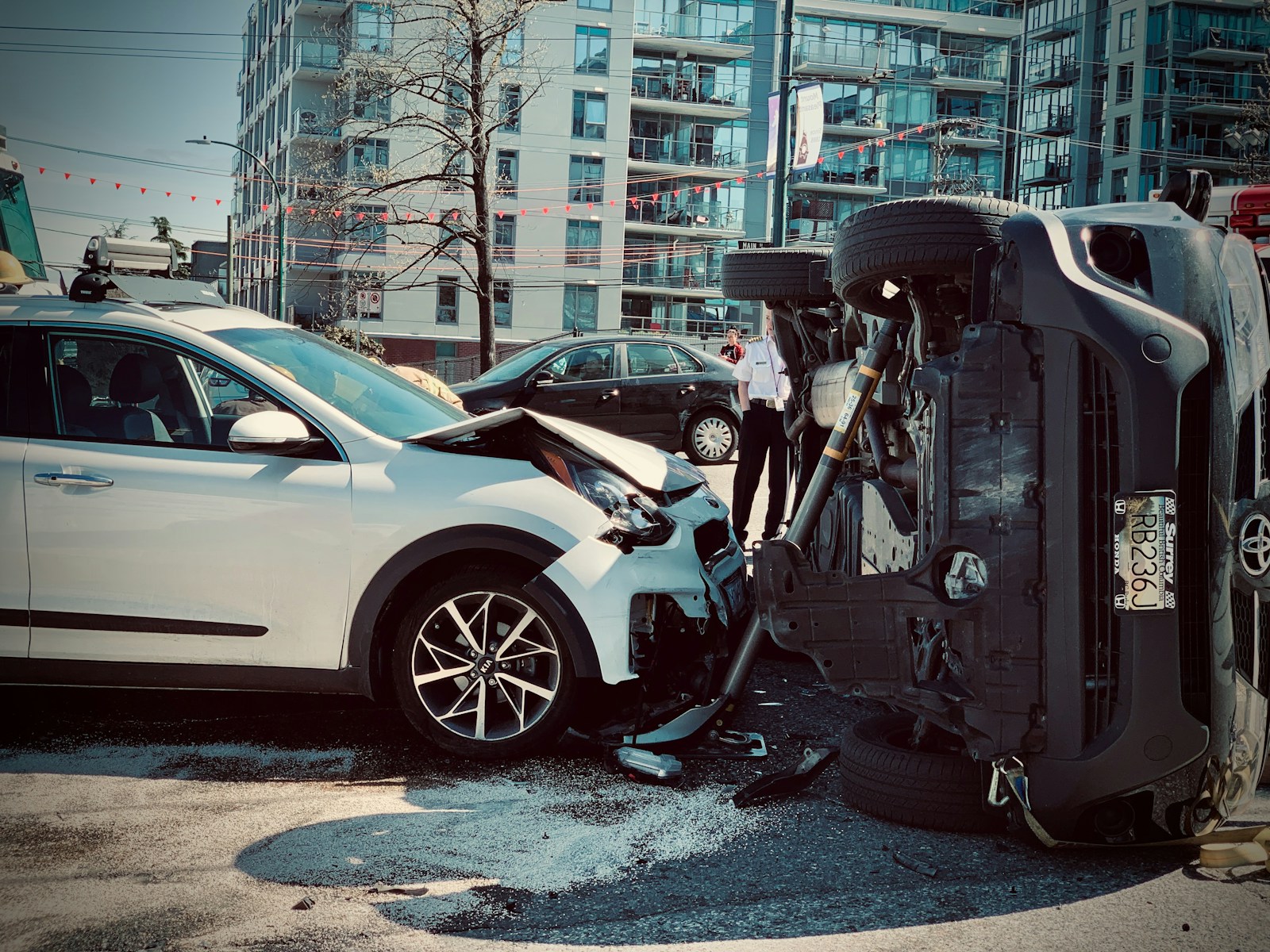

Traffic Control Gone Wrong
Picture this: You’re out on a busy road, directing traffic after a minor accident. You’ve got your safety vest on, your whistle in hand, and you’re feeling pretty heroic, right? That’s exactly what one local resident thought until their day took a sharp turn when their own vehicle got hit. Now, they’re left scratching their head, wondering how on earth they ended up being labeled at fault by the police. If you’ve ever found yourself in a similar pickle, you’re definitely not alone. So, let’s break this down together.
The Scene of the Accident
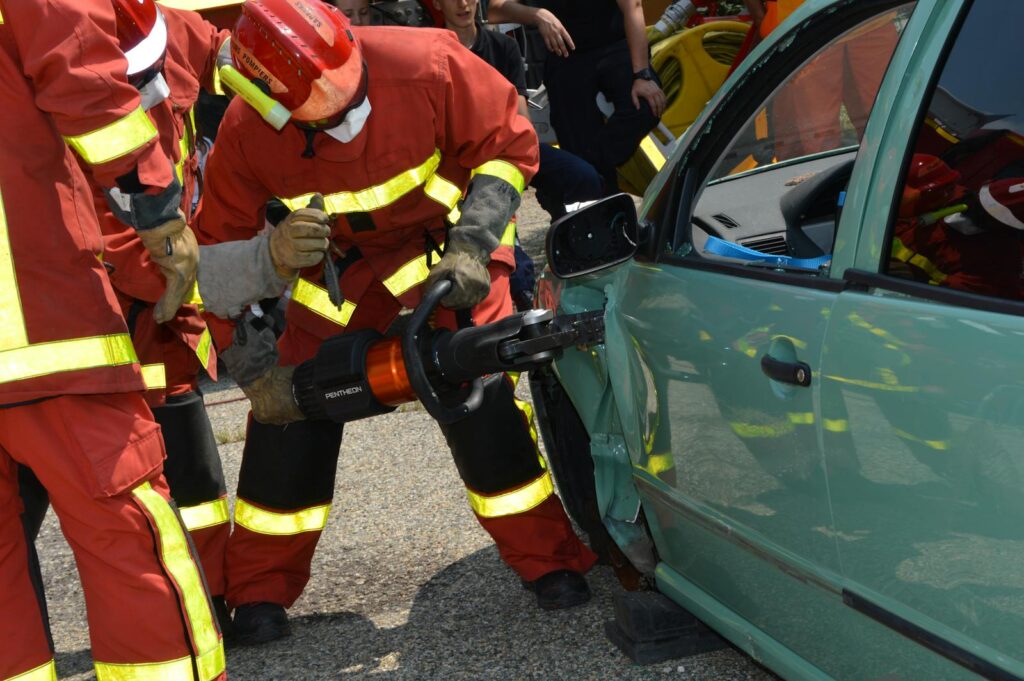
Imagine the chaos: cars honking, people rushing around, and the smell of burnt rubber lingering in the air. Our friend, let’s call them Alex, was doing their best to keep things under control. They had a clear view of the situation and were making sure everyone was safe. But when another vehicle came barreling down the road, it didn’t just miss Alex’s vehicle—it smashed right into it.
Now, here’s where things get murky. Alex thought they were doing a public service, but the police arrived and had a different take on the situation. They determined that Alex was at fault for directing traffic and got hit. Seriously? It’s like being punished for trying to help out. But what does that really mean in terms of liability and insurance?
The Police Report: What’s the Deal?
When the police file a report for an accident, they look at various factors: who was where, what the road conditions were like, and whether anyone breached traffic laws. In Alex’s case, the officers might have concluded that by directing traffic, they were effectively creating a situation that led to the collision. It’s a classic case of “no good deed goes unpunished.”
But is this really fair? After all, Alex was trying to ensure everyone’s safety. It’s like being scolded for trying to save a cat stuck in a tree, only to fall off the ladder. You’d expect a medal, not a citation!
Understanding Liability
Now, let’s talk about liability. In most states, fault in an accident can be split between parties involved. It’s not always black and white. If Alex was directing traffic and another driver wasn’t paying attention, could there be some shared responsibility? Maybe. It’s worth looking into what the law says in your state or region, as it varies quite a bit. Sometimes, just a little bit of knowledge can make a huge difference.
If Alex feels wronged, they could consider appealing the police report or discussing it with their insurance company. It’s not a guarantee that they’ll change the outcome, but it’s definitely worth a shot. Plus, it’s a great excuse to get out there and have a good chat with the insurance agent—everyone loves a good conversation about liability, right?
Insurance Implications
So, what happens next? Well, if the police determined Alex was at fault, their insurance might take a hit. This could mean higher premiums or having to pay a deductible. Not exactly the outcome anyone wants after trying to be a good Samaritan. But here’s a little nugget of wisdom: insurance companies often have their own teams that investigate accidents, and they may not always align with the police report. So, there’s still hope!
If Alex decides to file a claim, they should gather all the evidence they can—photos of the scene, witness statements, and anything else that might help their case. It’s like building a little fortress of proof. The more you’ve got, the better your chances are of changing the narrative.
Lessons Learned
So, what’s the takeaway here? Well, accidents are complicated, and sometimes doing the right thing can lead to unexpected consequences. It’s important to know your rights and not just accept the first verdict thrown your way. And if you ever find yourself directing traffic, maybe consider carrying a sign that says, “I’m not liable for any collisions!” Just kidding… sort of.
In all seriousness, if you’re ever in a similar situation as Alex, don’t hesitate to reach out for help. Whether it’s a lawyer, an insurance agent, or just a friend who’s good at navigating red tape, there’s always someone who can help you make sense of it all. Life’s full of surprises—some good, some not so much. But hey, at least we can learn from them, right?
Final Thoughts
So, to wrap this up, while it’s frustrating to be deemed at fault when you’re just trying to help, there are steps you can take to ensure your voice is heard. Don’t let one accident dim your spirit, especially when you were just trying to do the right thing. Remember, it’s all part of life’s wild ride. Keep your chin up, and drive safe out there!
More from Steel Horse Rides: