
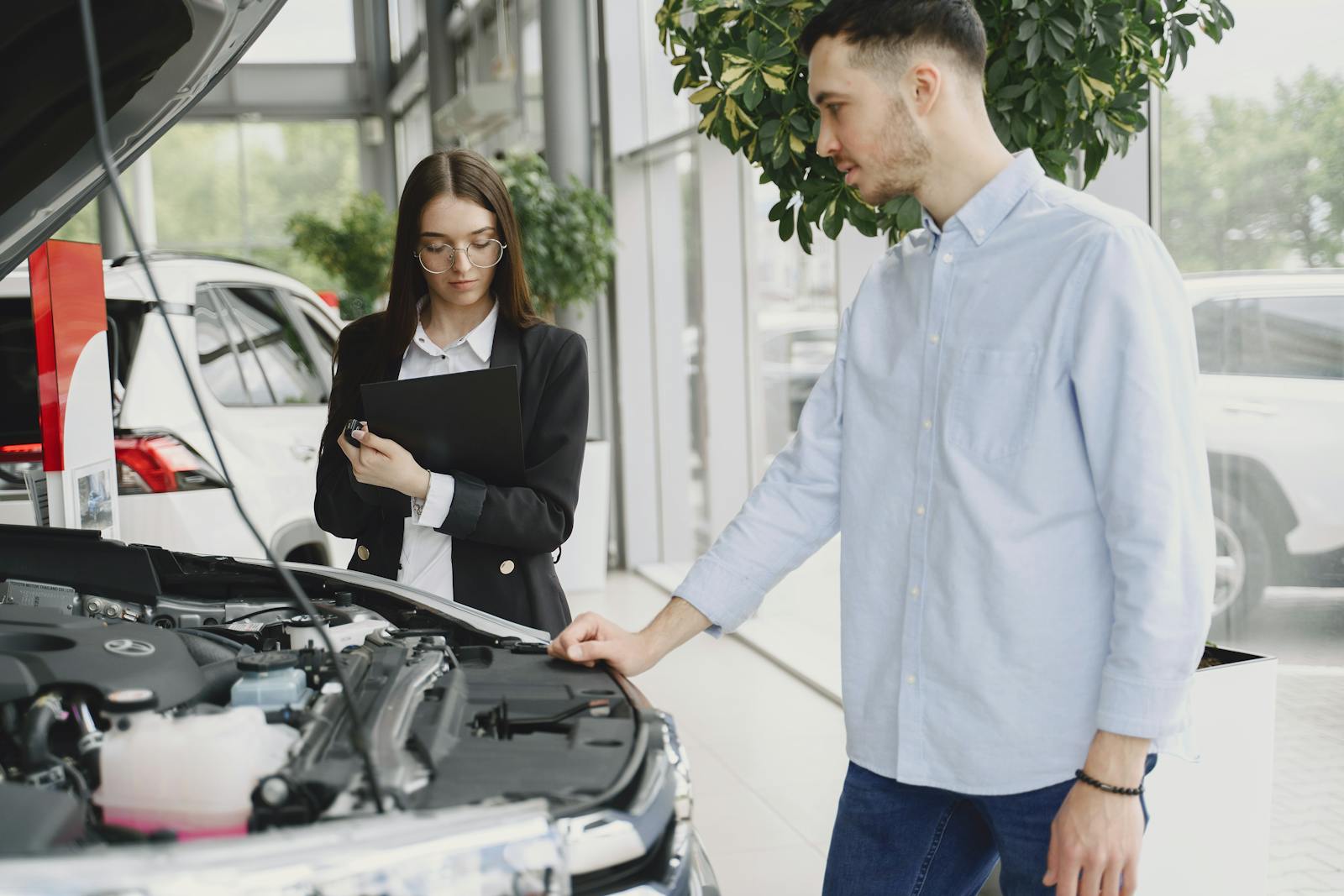

So, you finally did it—you bought that used car you’ve been eyeing for ages. The shiny exterior, the fresh scent of new upholstery (well, new to you), and the promise of countless road trips ahead. But then, just as you’re about to settle in and enjoy your new ride, you discover something unsettling: the Vehicle Identification Number (VIN) doesn’t match the records you were given. Panic sets in, and you’re left wondering, can you undo the sale? Let’s talk about what to do next.
First Things First: Check the Details

Before you start imagining a life without your beloved new wheels, take a deep breath. Mistakes happen, and sometimes it’s just a matter of a typo or a mix-up in paperwork. Grab your car’s title, registration, and any documentation from the seller. Look at the VIN on your car—it’s usually found on the dashboard or inside the driver’s side door. Now, compare it with the records you received. If they don’t match, don’t panic just yet; there are a few avenues to explore.
What Does It Mean When VINs Don’t Match?
Alright, let’s break this down. The VIN is like your car’s social security number—it tells the world about its history, including where it was made, its model, and even if it’s been in any unfortunate accidents. When the VINs don’t match, it could indicate a few things. Maybe the seller made an honest mistake, or perhaps there’s something more sinister at play, like title fraud. Yikes! That’s a word that sends chills down any car buyer’s spine.
Contact the Seller
Your first move should be to reach out to the seller. Don’t go all detective mode just yet; keep it casual. You might say something like, “Hey, I was going through the documents and noticed the VINs don’t match. Can we figure this out?” A good seller should be willing to help you sort this out. If they’re defensive or evasive, well, that’s a red flag that might warrant further investigation.
Know Your Rights
Now, let’s talk about your rights. Laws regarding used car sales can vary from state to state, but generally, you have some protections in place. If the sale was based on false information or misrepresentation, you may have grounds to undo the sale. Most states have “lemon laws” that protect consumers who unknowingly buy defective vehicles, but those laws typically apply to new cars. Still, you might find recourse under consumer protection laws or fraud statutes.
Gather Evidence
If you’re considering undoing the sale, it’s essential to document everything. Take notes on your communications with the seller, keep copies of all paperwork, and snap photos of the VINs. This evidence will be your best friend if you need to escalate the situation. Plus, it’ll help you stay organized when you start making calls to various agencies.
Consult the DMV
Next up, it’s time to pay a visit to your local Department of Motor Vehicles (DMV). They can provide valuable insight into your situation. Bring the documentation you’ve gathered, and explain what’s going on. They might be able to clarify the discrepancies and help you understand your options. Sometimes, they can even help track down the vehicle’s history, which could reveal more about what’s happening.
Consider Legal Advice
If it turns out the seller is being uncooperative or if you suspect fraud, it might be time to consult with a lawyer. A legal expert can help you navigate the complexities of consumer protection laws and advise you on the best course of action. It might sound daunting, but having someone in your corner can make a huge difference. Plus, they might even offer you some peace of mind amidst the chaos.
What If You Can’t Undo the Sale?
If it looks like you’re stuck with the car, don’t lose hope just yet. You might still have options. Consider getting the car inspected by a trusted mechanic to assess any underlying issues that may need attention. You can also look into selling the car if you feel it’s too risky to keep. Just be honest with future buyers about the VIN situation—it’s always better to be upfront than to leave someone else in a lurch.
Final Thoughts
Buying a used car should be an exciting adventure, not a source of stress and anxiety. Discovering a VIN discrepancy can feel overwhelming, but with the right steps and a little patience, you can navigate this challenge. Whether you end up keeping the car or unraveling a more significant issue, remember you’re not alone in this. Lots of folks have been in your shoes, and they’ve come out on the other side, often with a great story to tell.
More from Wilder Media Group: