


Picture this: you’ve just shelled out a chunk of your hard-earned cash on major car repairs. You’re feeling pretty good about it, maybe even planning that road trip you’ve been dreaming of. But then, bam! Your car breaks down not even a day later. Talk about a gut punch. Now you’re left wondering, can you demand a refund? Let’s break this down together, shall we?
Understanding Your Rights
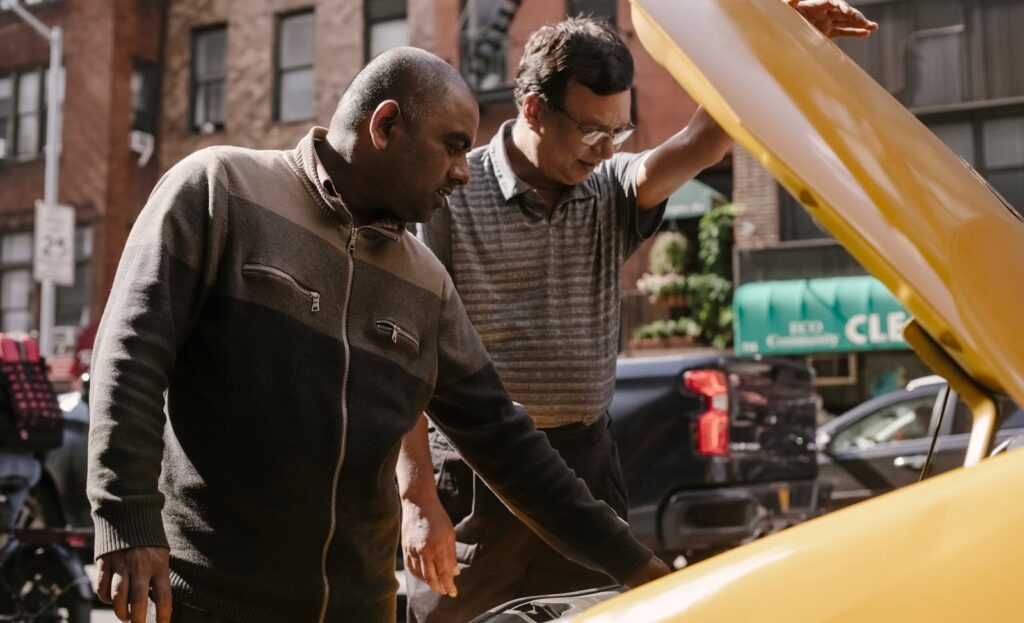
First things first, let’s talk about your rights as a consumer. When you pay for a service—like car repairs—you’re expecting that service to meet certain standards. If your car breaks down right after repairs, it might feel like you’ve been sold a lemon, and understandably so. In most places, consumer protection laws state that services should be performed with reasonable care and skill. If they aren’t, you could have a case for a refund or at least a redo.
That said, the specifics can vary based on where you live and the laws that govern service contracts. It’s a good idea to familiarize yourself with your local consumer protection laws. They might just offer you the lifeline you need when dealing with a not-so-great mechanic.
Check the Warranty
Before you start drafting that angry refund request, take a good look at any warranty or guarantee that came with the repairs. Many reputable mechanics offer some kind of warranty—usually ranging from 30 days to a year—on parts and labor. If your car’s breakdown falls within that period, you’re likely in a much stronger position to demand a refund or at least have the repairs redone at no extra charge.
Don’t just glance at the warranty, though. Read the fine print! Sometimes, there are stipulations about what’s covered. If your mechanic had to replace a water pump, but your engine blew up because of a different issue, they might not be responsible. It can feel like a game of legal Twister, but knowing exactly what you’re dealing with will help you navigate the conversation with your mechanic.
Document Everything
Now, here’s where the detective work comes in. Start documenting everything. Keep a record of the repairs that were done, any receipts, and notes from conversations with the mechanic. If your car broke down, jot down the details about that, too—what happened, when it happened, and any warning signs you noticed before the breakdown. You’ll want to paint a clear picture of the situation to support your case.
And don’t forget to take photos! If your car is sitting on the side of the road looking forlorn, snap a few shots. Visual evidence can be incredibly helpful when you’re trying to make your case.
Communicating with Your Mechanic
With your documentation in hand, it’s time to bring your concerns to your mechanic. But approach this like a friendly chat, not an interrogation. You catch more flies with honey, right? Start by explaining the situation calmly. Mention the repairs that were done, and then detail what happened after you got your car back.
It’s totally okay to express your frustration—after all, you’re the one who’s been left stranded! But keep it respectful. Most mechanics want to do right by their customers, and being confrontational usually doesn’t lead anywhere good. If they’re reasonable, they might offer to take a look at the car again and fix whatever went wrong.
What If They Refuse?
So, what if your mechanic gives you the cold shoulder and refuses to acknowledge the issue? Well, that’s when things get a bit trickier. If you have a warranty, remind them of it. If they still won’t budge, consider reaching out to a consumer protection agency or even the Better Business Bureau. Sometimes, a little nudge from an outside authority can work wonders.
You might also want to consider mediation or small claims court if necessary. It sounds intimidating, but it doesn’t have to be. Small claims court is designed to be user-friendly, and you don’t necessarily need a lawyer to navigate it. Just make sure you have all your documentation ready to go!
Learning from the Experience
While it’s frustrating to deal with car trouble, this experience can also serve as a valuable lesson. Take a moment to reflect on your choice of mechanic. Were they transparent about the repairs? Did they communicate well? Trustworthiness is key when it comes to car repairs, so if you’re feeling unsure, it might be worth looking for a new shop for future work.
And hey, maybe this is a good excuse to invest in a roadside assistance plan. You know, just in case your car decides to play hard to get again. Think of it as a little insurance policy against future car woes.
Conclusion
So, can you demand a refund for your car troubles? It really depends on the specific circumstances, your local laws, and how well you’ve documented everything.
More from Wilder Media Group: