

What Happened on the Road
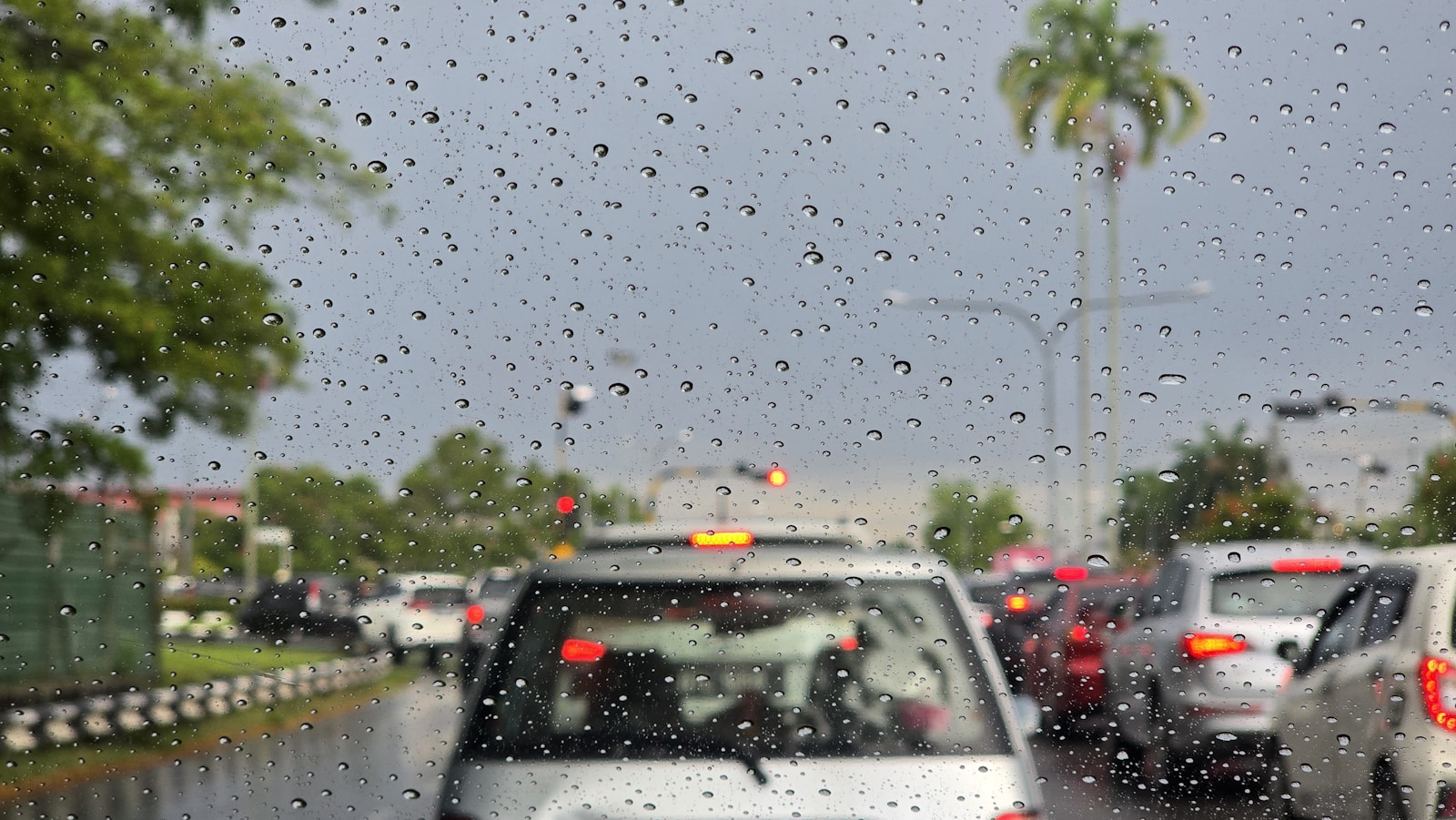
Picture this: you’re driving home from work, and suddenly the skies open up, unleashing torrential rain. The wind howls, and you can barely see a few feet in front of you. Cautiously, you slow down, gripping the steering wheel like it’s a lifeline. But then, in your rearview mirror, you spot those flashing lights. “What did I do wrong?” you wonder, your heart racing. Spoiler alert: you might just get pulled over for driving too slowly. Yes, really!
Can You Actually Get a Ticket for Driving Too Slowly?
The short answer is yes, you can get a ticket for driving too slowly. Just like speeding, driving too slowly can disrupt the flow of traffic and create unsafe conditions. But before you start panicking about your cautious driving habits, let’s clarify what “too slowly” actually means.
Every state has its own laws regarding speed limits, and while they mostly focus on the max speed, many also include minimum speed limits. If you’re cruising at 20 mph on a 50 mph road because it’s pouring rain, you might be in a gray area. Law enforcement typically expects drivers to keep pace with traffic, as long as it’s safe to do so. So, if you’re causing a backup, you could find yourself on the receiving end of a ticket.
The Fine Line: Caution vs. Carelessness
Now, before you label yourself a reckless driver for taking it slow, it’s essential to understand that there’s a difference between being cautious and being careless. If conditions are truly hazardous—think heavy rain, snow, or ice—then slowing down is not just reasonable; it’s wise. But if you’re the only one on the road who’s crawling along at a snail’s pace, you might want to reconsider.
Officers are trained to assess situations, and if they think you’re just being overly cautious rather than responding to actual dangers, they might not be too forgiving. It’s a bit of a balancing act: you want to be safe, but you also don’t want to be that driver who causes a traffic jam while everyone else is moving along.
What to Do if You Get Pulled Over
If you do find yourself pulled over for driving slowly, take a deep breath—this isn’t the end of the world. When the officer approaches, be polite and explain your reasoning. A calm, respectful attitude can sometimes work wonders. You might say something like, “I was concerned about the visibility and wanted to stay safe.”
If the officer is understanding, they may let you off with a warning. After all, they’re human too, and they know that everyone wants to get home in one piece. But be prepared: if they decide you were indeed driving too slowly for the conditions, a ticket might follow. It’s like getting scolded for being too cautious—never a fun moment!
Driving Tips for Bad Weather
So, how do you navigate driving in bad weather without risking a ticket? First, make sure your vehicle is ready for the elements. Check your tires, wipers, and lights. A well-prepared car can handle the weather better, which can boost your confidence on the road.
Next, keep an eye on other drivers. If everyone’s moving at a certain speed, try to match that without compromising your safety. If it feels unsafe, pull over to a safe spot until the conditions improve. Sometimes, it’s worth waiting it out—better to arrive late than not at all, right?
Know Your Local Laws
Finally, familiarize yourself with your local traffic laws. Some states have specific rules about minimum speed limits, so knowing what applies in your area can save you from an unwelcome surprise. It might seem tedious, but it’s better than getting a ticket for something you didn’t even know was against the law!
Final Thoughts: Safety First, Always
At the end of the day, driving is about finding that sweet spot between safety and efficiency. Weather conditions can be unpredictable, and how you choose to respond can make all the difference. While it’s important to be aware of the speed limits, it’s equally vital to prioritize your safety and the safety of others.
So, the next time you find yourself in a downpour, remember: it’s okay to slow down. Just keep an eye on the traffic around you, stay within the legal limits, and, most importantly, don’t forget to breathe. You’ve got this!
More from Steel Horse Rides: