

Driving with Hazard Lights: A Common Misconception
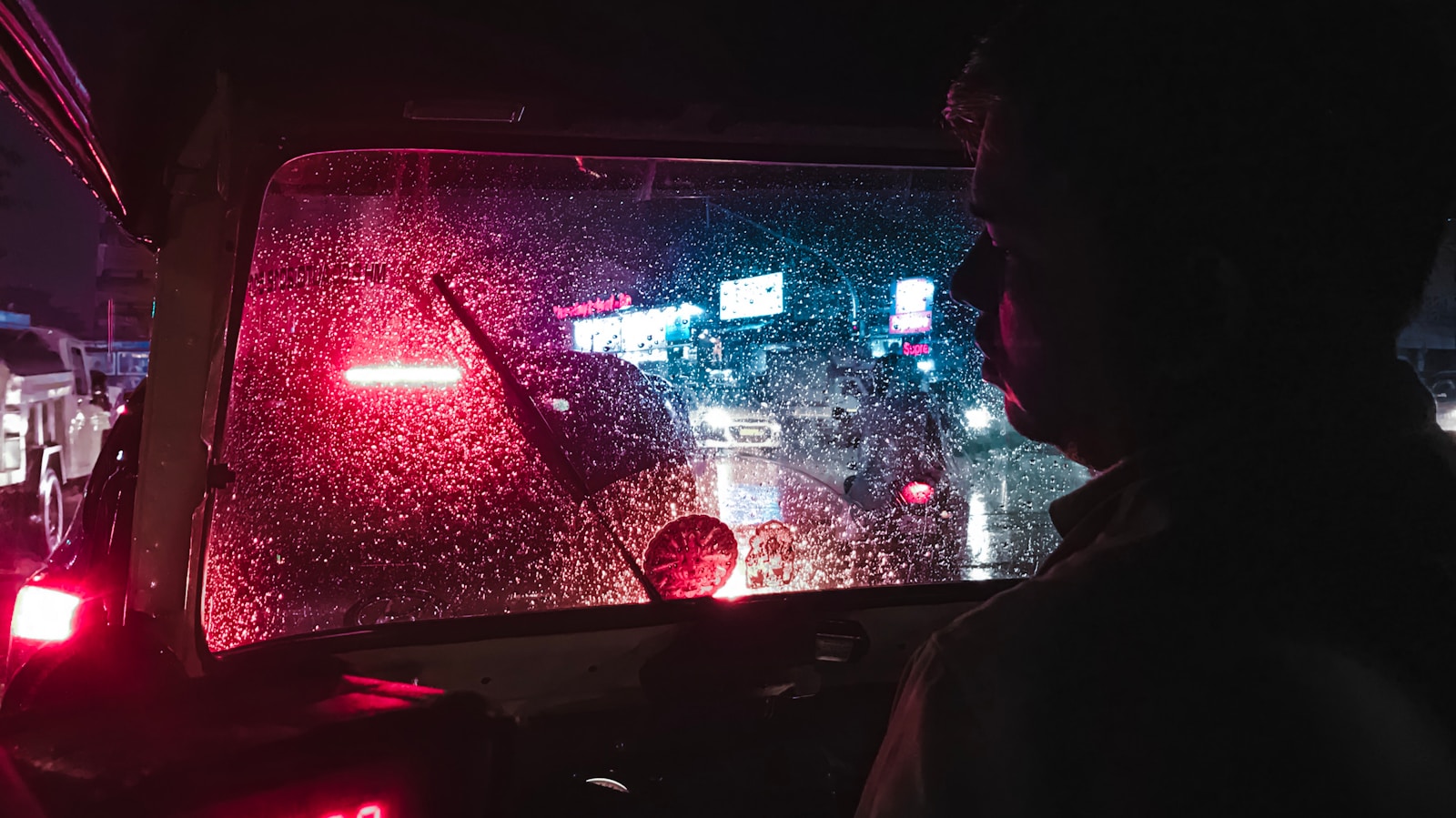
So, picture this: You’re driving through a torrential downpour, visibility is as low as a cat in a raincoat, and you decide to turn on your hazard lights. You think you’re being a responsible driver, right? Well, it turns out that decision might have landed you in hot water—specifically, with a ticket in your hand. But is it actually illegal to drive with your hazard lights on during heavy rain? Let’s break it down.
The Purpose of Hazard Lights
First off, let’s clarify what hazard lights are meant to do. They’re designed to alert other drivers that your vehicle is stationary or moving slowly due to an emergency or an unexpected situation. Think of them as your car’s way of waving a little white flag when something’s gone awry. So, while it might seem logical to use them in a downpour, the law often has different ideas.
Local Laws Can Vary
Here’s where things get a bit murky. Driving laws can differ wildly depending on where you live. In some states, using hazard lights while driving—even in adverse weather—is a big no-no. For instance, states like California explicitly state that hazard lights should only be used when your vehicle is stopped. Meanwhile, other states might be a little more lenient, allowing drivers to use them in certain conditions but still urging caution.
To make matters more complicated, even within the same state, local jurisdictions might enforce different rules. So, if you’re in a new area, it’s always wise to check the local ordinances. A quick Google search or a friendly chat with a local law enforcement officer can save you from an unexpected ticket.
When It’s Okay to Use Hazard Lights
Now, don’t get me wrong; there are situations where using hazard lights is absolutely appropriate. If your car breaks down on a busy highway, for example, those flashing lights are a lifesaver—literally! They warn other drivers to steer clear and give you a bit of space to manage your situation. Similarly, if you’re waiting for assistance or pulled over for a legitimate reason, hazard lights are your best friends.
In heavy rain, though, experts often suggest it’s better to keep your regular lights on and maintain visibility rather than relying solely on hazards. Regular headlights help other drivers see you more clearly, which, let’s be honest, is what we really want when driving in tricky weather. It’s all about finding that balance between being visible and not confusing others on the road.
Why You Might Get Cited
So, back to that ticket. If you got a citation for driving with your hazard lights on in rain, it’s likely because the officer felt it created a hazard instead of alleviating one. Imagine traffic backing up because someone’s got their blinkers going but is still moving at a snail’s pace—frustrating, right? That confusion can lead to accidents, which is why police may crack down on this behavior.
But here’s where it gets interesting: if you feel the citation was unfair, you can contest it. Many jurisdictions allow you to explain your circumstances in court. Just be prepared to back up your case with local laws and maybe a bit of charm (you know, your best “I was just trying to be safe” smile). Sometimes, it all comes down to how you present yourself.
Tips for Safe Driving in Rainy Conditions
Alright, let’s get practical for a second. If you find yourself driving in heavy rain, here are a few tips to keep you safe and ticket-free:
- Use Your Headlights: Always turn on your regular headlights in rainy conditions. It helps you see and be seen!
- Slow Down: Wet roads can be slippery. Take it easy and give yourself extra time to stop.
- Increase Following Distance: The last thing you want is to end up too close behind someone else when the road gets slick.
- Avoid Sudden Movements: Gentle steering and braking are key in maintaining control.
Final Thoughts
Driving is a responsibility, and it’s essential to stay informed about local laws and best practices. While your instincts might lead you to use those flashy hazard lights during a downpour, it’s crucial to consider the potential consequences. At the end of the day, staying safe and keeping the roads clear for everyone is what really matters.
So next time you’re caught in a storm, remember: keep your lights on, slow down, and maybe save the hazards for when you’re actually stopped. That way, you can keep driving without worrying about that little ticket book! Safe travels!
More from Steel Horse Rides: