
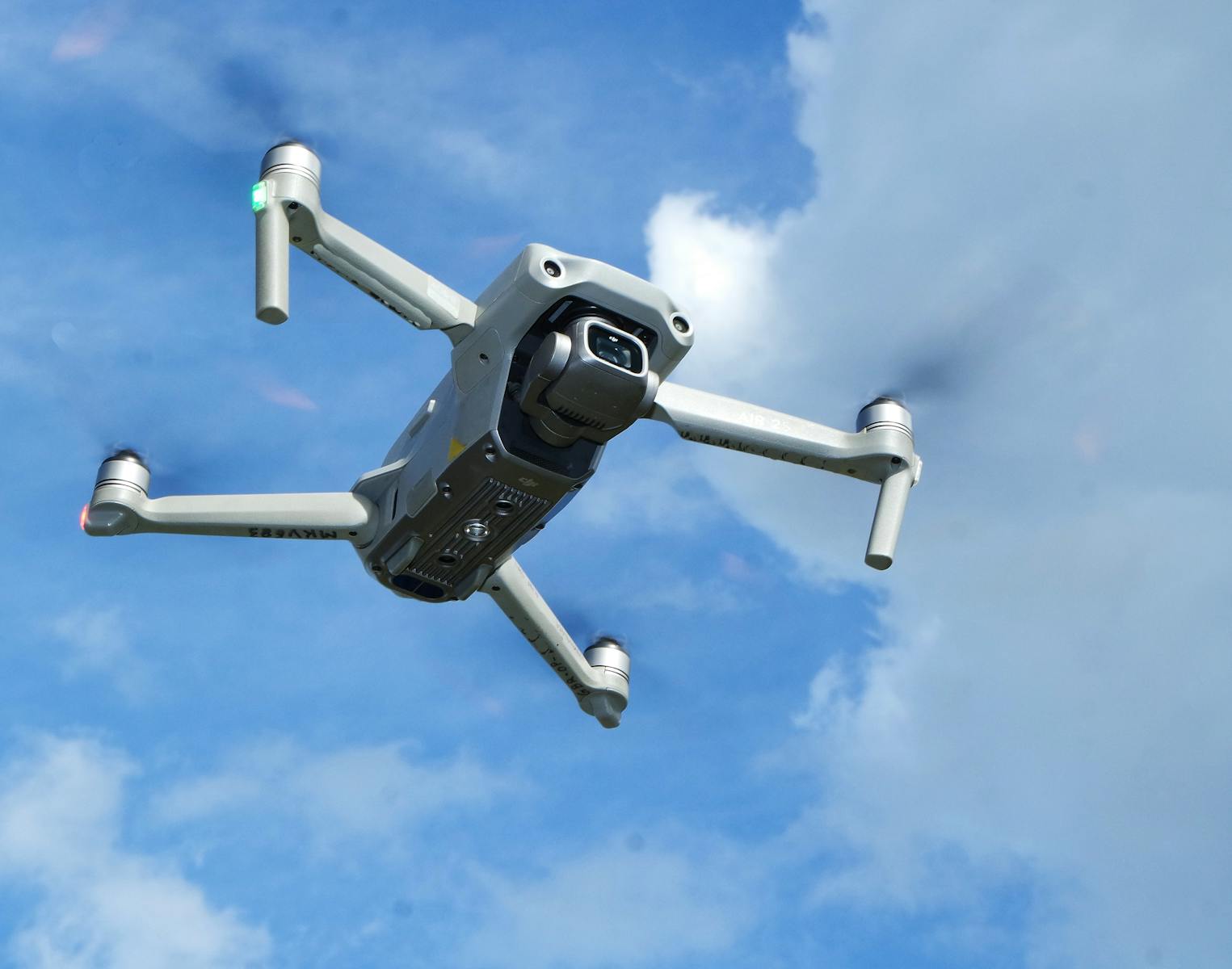

Small drones have gone from hobbyist toys to battlefield staples, and the U.S. Air Force is treating them like the serious problem they are. Instead of waiting for the next incident over a runway or fuel farm, the service is standing up a dedicated “battle lab” to figure out how to keep these buzzing threats away from its bases. The idea is simple but ambitious: turn one installation into a proving ground for tactics and tech that can then be pushed across the entire force.
That mission is landing at Grand Forks Air Force Base in North Dakota, where airmen already live and breathe sensors, data and long-haul surveillance. The new effort is meant to close the gap between off‑the‑shelf drones and the patchwork defenses that protect aircraft, munitions and people on the ground, and it is being wired directly into broader Pentagon moves to give base commanders more authority to knock intruders out of the sky.
The Point Defense Battle Lab takes shape
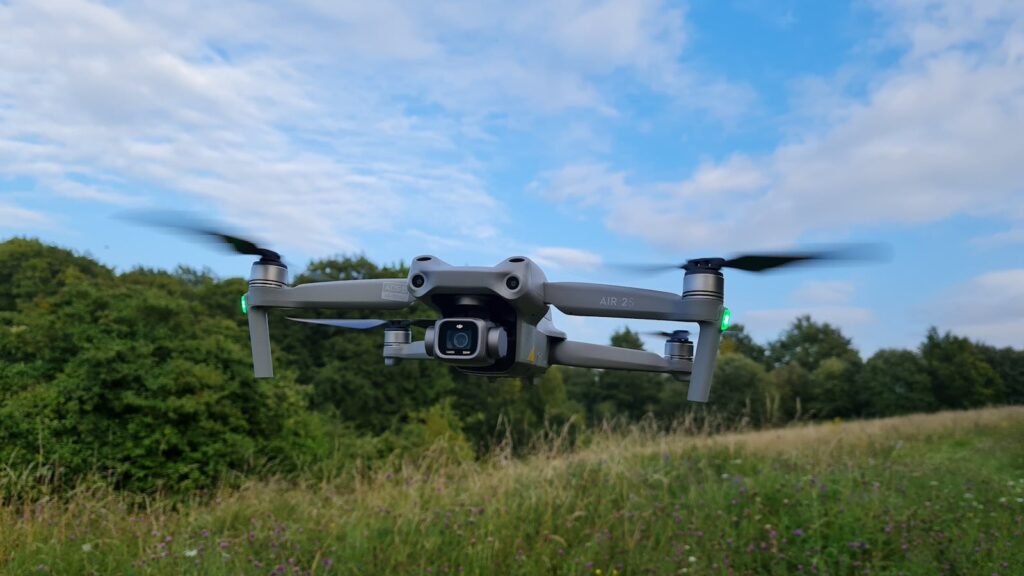
Grand Forks did not just luck into this role, it was picked to lead what the Department of the Air Force is calling the Point Defense Battle Lab, or The PDBL, a “critical initiative” meant to safeguard installations and protect vital assets from small unmanned aircraft. The lab will sit under the 319th Reconnaissance Wing, which already runs high‑end intelligence and surveillance missions, and will use that background to experiment with sensors, software and layered defenses that can spot and stop drones before they get close to aircraft or fuel tanks, according to Grand Forks AFB. By design, the lab is not just a tech playground, it is supposed to turn those experiments into repeatable playbooks that other wings can adopt.
The Air Force has been clear that this is not a side project. Leaders describe The PDBL as a central piece of how the Department of the Air Force plans to harden bases against small drones, tying together research, training and operational testing in one place so units are not reinventing the wheel every time a quadcopter pops up near a perimeter fence, a focus underscored in the service’s own description of the critical initiative. That framing matters, because it signals that what happens at Grand Forks is expected to ripple across the Air Force, not stay confined to one North Dakota flight line.
From tactics to tech, a new counter‑drone playbook
Inside the fence line, the Point Defense Battle Lab is being built to do more than bolt new gadgets onto old guard towers. The 319th Reconnaissance Wing is the lead for Air Combat Command’s Point Defense Battle Lab, and with support from that major command it is tasked with developing and validating tactics, techniques and procedures that actually work against nimble quadcopters and fixed‑wing drones in the cluttered airspace around a base, as laid out in the wing’s own Point Defense Battle overview. That means running live‑fly events, stress‑testing sensors and command‑and‑control software, and figuring out how to integrate everything from radar to handheld devices into a coherent picture for defenders on the ground.
Air Combat Command has also established a dedicated team to help sharpen those counter‑drone tactics, techniques and procedures, giving the lab a direct pipeline to operators and experts across the command who can feed in real‑world lessons and refine each technique, according to a new task force. That structure lets Grand Forks act as a hub, pulling in data from other installations, testing fixes in controlled conditions, then pushing updated playbooks back out so defenders at a base in Arizona or Europe are not learning the hard way what works against a modified racing drone.
The lab’s charter stretches beyond pure doctrine. Officials say the effort will focus on developing tactics and evaluating new technology that can be used to protect U.S. military installations as threats evolve, including tools for aerial tracking, surveillance and reconnaissance against small drones that might be carrying cameras or explosives, a mission set highlighted in recent coverage of the. The 319th Reconnaissance Wing’s experience with long‑range sensing and data fusion gives it a head start in turning those tools into practical base defense kits rather than science‑fair projects.
Policy tailwinds and pressure on base commanders
The timing of the Point Defense Battle Lab lines up with a broader shift in how the Pentagon wants installations to handle drones. A new DOD counter‑drone policy gives base commanders in the United States a wider berth to detect, track and defeat unmanned aircraft that stray into restricted airspace, expanding what they can do beyond simply calling local law enforcement or the Federal Aviation Administration, according to a recent look at the New DOD guidance. That extra authority only matters if commanders also have tested tools and clear procedures, which is where Grand Forks’ experimentation is expected to feed directly into policy on the ground.
Those expectations are not abstract. Installation commanders are required to submit counter‑drone defense plans for their bases within 60 days, and those plans are expected to account for everything from radar and cameras to artificial intelligence and even nets. The Point Defense Battle Lab gives those commanders a place to point to for vetted techniques and gear instead of scrambling to assemble ad hoc solutions every time a drone flies near a munitions bunker.
More from Wilder Media Group: