
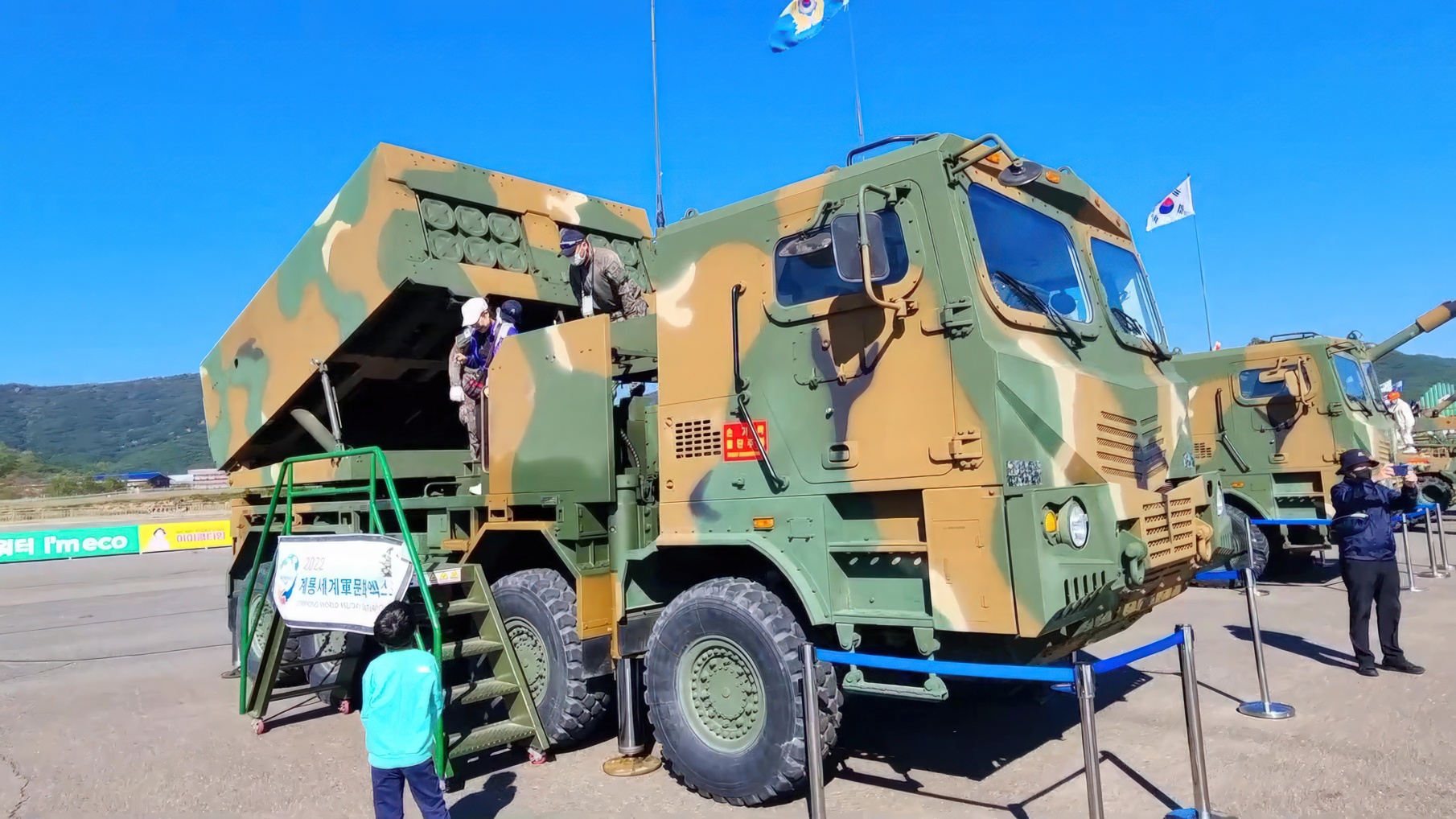

Norway is putting serious money behind long-range firepower, signing a roughly 2 billion dollar agreement with South Korea’s Hanwha Aerospace to field the K239 Chunmoo rocket artillery system. The deal will give the Norwegian Army a new land based precision strike capability, stretching its reach far beyond traditional tube artillery and slotting into NATO’s evolving deterrence posture in northern Europe. It also signals a quiet but meaningful shift in where Nordic governments shop for high end weapons, with a South Korean supplier edging out established European and American rivals.
The contract, valued at about $1.9 billion in some filings, covers launchers, missiles and supporting gear that will be integrated into Norway’s existing logistics and command networks. For Hanwha Aerospace, it is another marquee export win for Chunmoo, a system that has already found customers in Poland and other European states, and that is increasingly seen as a peer competitor to the US High Mobility Artillery Rocket System.
What Norway is buying, and why Chunmoo won
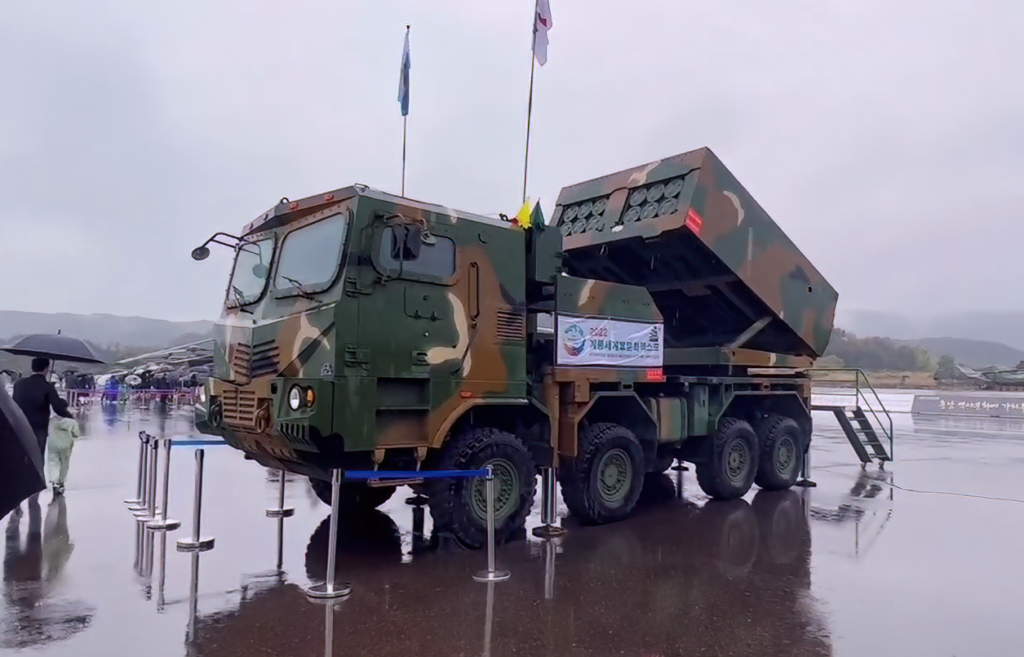
At the heart of the deal is the K239 Chunmoo, a modular multiple launch rocket system that can fire a mix of guided rockets and tactical missiles from the same truck mounted launcher. Norwegian officials have committed to acquiring 16 launch units and a larger, undisclosed stock of munitions, giving the army a sizable first tranche of long range strike capacity once deliveries begin. The new batteries are expected to provide land based long range precision strike out to several hundred kilometers, a capability the armed forces have not had before, and which planners see as essential for covering Norway’s long coastline and reinforcing NATO’s northern flank, according to details outlined in the original order. The Norwegian Army expects the system to plug into its broader modernization push, which has already included new air defenses and upgraded artillery, and to give commanders a tool that can hit high value targets deep behind an adversary’s front line, as highlighted in early briefings.
Chunmoo did not win this contract by default. Norway ran an international competition launched in November 2024 that drew bids from European and U.S. manufacturers, including systems grouped under the “Euro” label and the American HIMARS family, before selecting Hanwha Aerospace as the preferred supplier. Officials have said the choice came down to a blend of performance, delivery schedule and cost, with the South Korean offer judged the best fit for Norway’s urgent need to strengthen its defenses in the wake of Russia’s war in Ukraine, a point underscored in several accounts. The contract that followed, described as a $1.9 billion package between Hanwha Aerospace and Norway, locks in not only the launchers and rockets but also training equipment and support, as detailed in the formal $1.9 billion signing.
A Nordic buying shift and a win for South Korean industry
For the broader defense market, the more interesting story sits behind the price tag. Norway’s decision to go with Hanwha Chunmoo over Euro and U.S. systems marks a notable shift in Nordic procurement habits, which have traditionally leaned heavily on European and American suppliers for big ticket items. The choice signals that governments in the region are increasingly comfortable turning to South Korean firms for front line combat systems, not just support gear, a trend that has already shown up in Polish tank and howitzer deals and is now spreading north, as analysts of Nordic trends have pointed out. In practical terms, it also deepens industrial links between Oslo, Seoul and Warsaw, since the long range strike system for Norway will be built in Poland, tying the program into a wider European production base described in recent Land based strike plans.
For Hanwha Aerospace Co, a South Korean defense giant, the Norway win is another proof point that its rocket artillery portfolio can compete head to head with HIMARS and other Western systems on range, payload and price. The company has emphasized that Chunmoo can fire different calibers of guided rockets and missiles, with some munitions reaching up to 500 kilometers, giving customers flexibility to tailor their loadouts, a capability highlighted in official South Korean statements. The Norway contract, which local reports describe as part of a broader push to respond to heightened security concerns in Europe, was flagged in advance when Hanwha Aerospace was named the winner and a signing was scheduled for Friday, with officials noting that contract details were “Copy Completed” in internal paperwork, according to a Friday focused notice.
More from Wilder Media Group: