
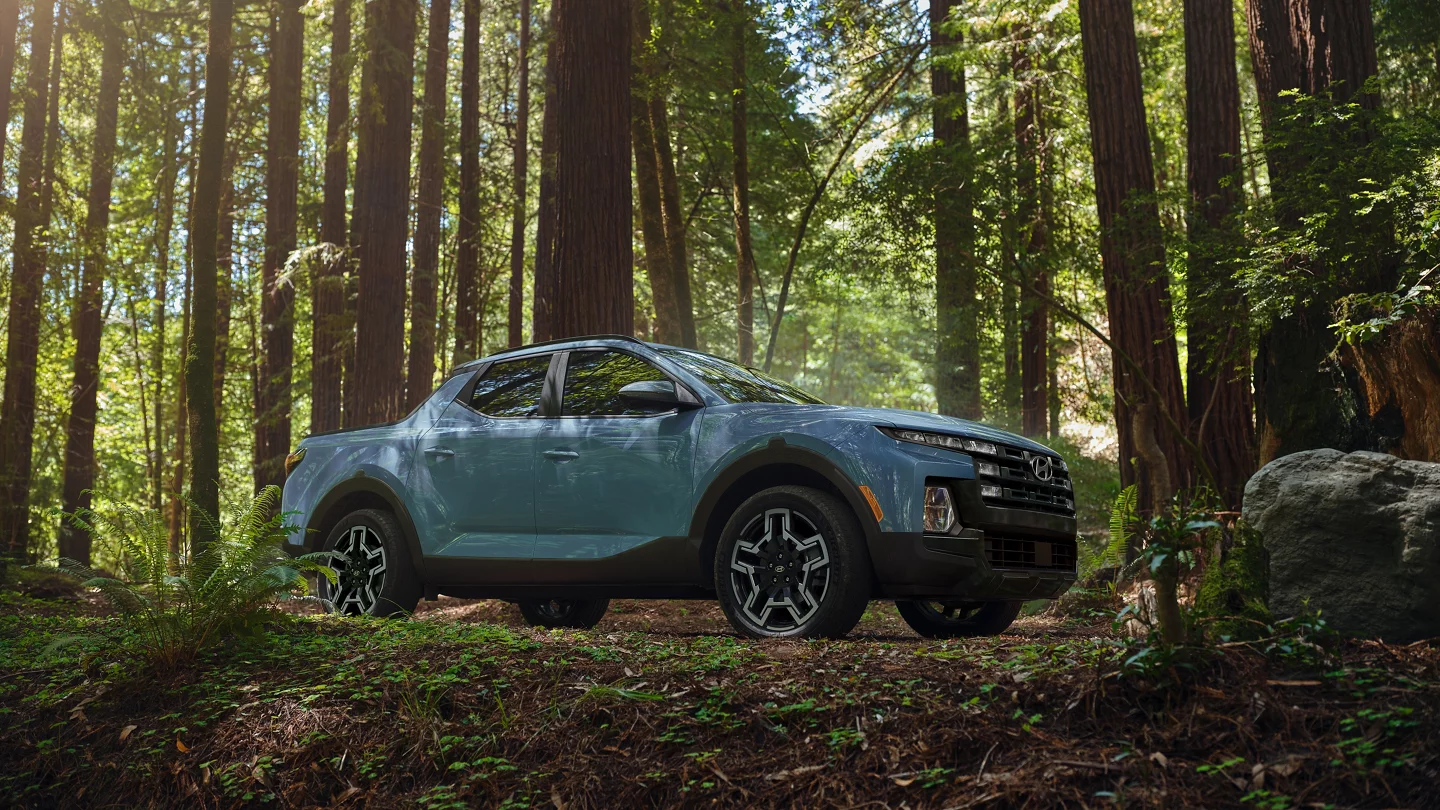

Hyundai’s smallest pickup is quietly heading for the exit just a few years after launch, and it is not because the company has lost interest in trucks. The Santa Cruz is being wound down after sluggish demand left dealers with more inventory than they could comfortably move, even as Hyundai lines up a larger, more traditional pickup to chase the heart of the market. The move signals a sharp turn in strategy, away from quirky crossover-based experimentation and toward a truck that can stand toe to toe with established players.
For shoppers who liked the idea of a compact, city-friendly bed on a Tucson-sized footprint, the timing stings. But inside Hyundai, the Santa Cruz looks less like a failure and more like a test program that did its job, surfacing what American truck buyers will and will not accept from a brand better known for crossovers and EVs. The next act is already being scripted around a bigger, tougher model that leans into those lessons.
Why Santa Cruz Ran Out Of Road
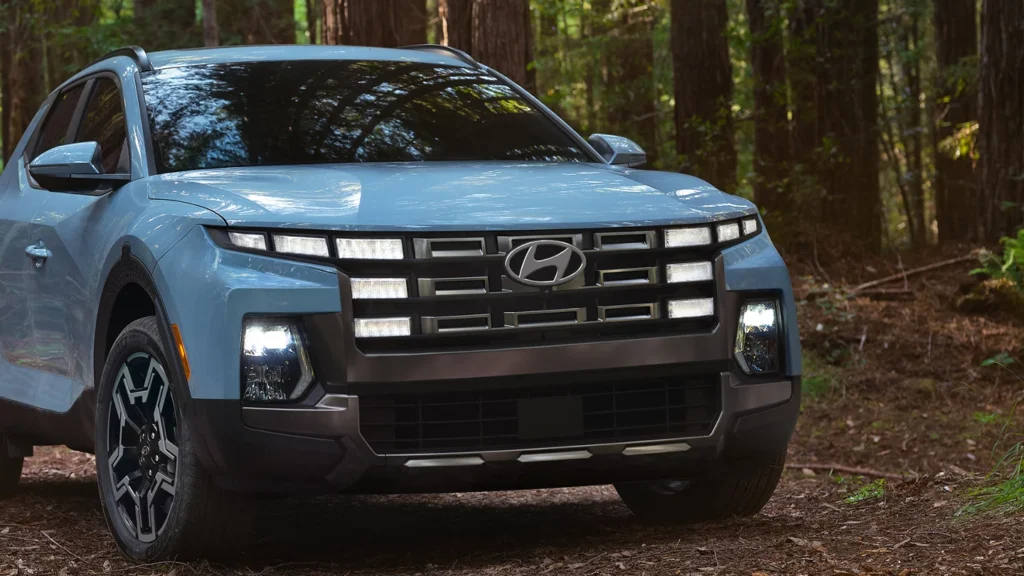
Hyundai is wrapping up Santa Cruz production early after weak sales left dealers sitting on bloated inventory, a clear sign that the compact pickup never found the volume the company expected. Reports describe the decision as part of a broader shift, with Hyundai choosing to end the Santa Cruz compact pickup by early 2027 at the latest rather than let it linger in showrooms as a slow seller, even though the truck only arrived in 2021 with a short bed and crossover underpinnings. That accelerated timeline underscores how quickly the brand is willing to pivot when a niche product does not deliver, especially in a segment where rivals like Ford have proven that buyers still gravitate toward more conventional truck formulas.
From the start, the Santa Cruz tried to split the difference between a compact SUV and a work truck, and the market response never quite matched the buzz. Analysts point to slow sales since its launch, with buyers often favoring more traditional pickups instead of the Santa Cruz’s lifestyle-first approach, a trend that left Hyundai conceding ground to Ford in the compact truck space. Even a refreshed 2026 Hyundai Santa Cruz, which brought an exterior styling refresh, powertrain updates for improved performance, and a slightly longer bed that stretched cargo length by 0.8 feet over the 2025 model, was not enough to change the trajectory once it became clear that inventory was piling up faster than customers were signing contracts.
The Bigger Truck Hyundai Really Wants
Behind the scenes, Hyundai has been preparing a very different kind of pickup, and the end of the Santa Cruz clears space for that truck to take center stage. Multiple reports describe plans to replace the pint-sized Santa Cruz with a larger, more capable pickup that uses a body-on-frame layout instead of the crossover-style construction that limited the current truck’s towing and payload potential. One account frames the shift bluntly, noting that Hyundai concedes to Ford by planning to drop the tiny Santa Cruz for a more capable pickup, a move that acknowledges how strongly American buyers still associate trucks with serious capability and a full-size stance.
The new model is expected to lean into that image, with Hyundai Has Bigger Truck Plans that go beyond simply stretching the existing platform or adding a few inches of bed length. Coverage of the company’s truck strategy notes that Hyundai Ends Santa Cruz Pickup As Truck Strategy Shifts, with executives signaling that the replacement will be a true body-on-frame truck designed to handle the bulk of a traditional truck workload rather than a lifestyle accessory. In that context, the Santa Cruz looks like a stepping stone, a way for Hyundai to learn the rhythms of the pickup market before committing to a full-scale entry that can credibly compete with established nameplates on towing, hauling, and off-road credentials.
What The Santa Cruz Experiment Taught Hyundai
Inside Hyundai, the Santa Cruz is already being talked about as a Valuable Learning Experience, not just a discontinued nameplate. Company voices have acknowledged that the compact pickup is reportedly dying ahead of schedule, citing low demand, but they also emphasize that building and selling it gave engineers and planners real-world data on how truck shoppers interact with the brand. That includes everything from how customers spec their trucks to which features actually move the needle on the showroom floor, insight that is hard to capture from focus groups alone. Even the decision to wind down production early, with some reports suggesting Hyundai Santa Cruz could end production this year and that dealers are sitting on months’ worth of Santa Cruz stock, feeds into a clearer understanding of how quickly the market punishes products that miss the mark on size or capability.
More from Wilder Media Group: