
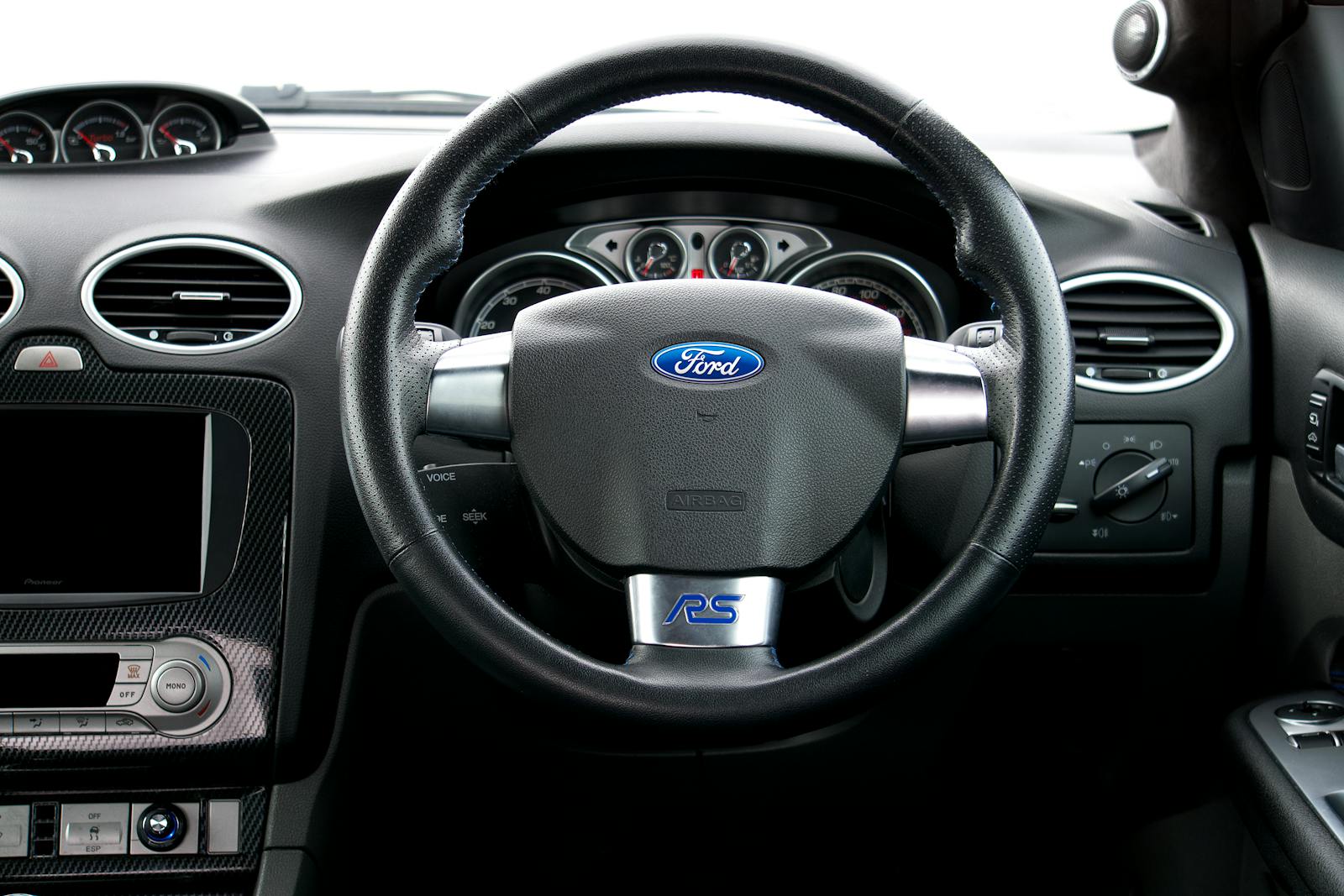

Ford has turned a dry manufacturing update into a pointed geography lesson, publicly congratulating General Motors for finally deciding that the United States is a good place to build American cars. The praise is real, but it comes wrapped in a thick layer of shade, with Ford casting itself as the longtime local while GM scrambles to adjust to a harsher tariff world. Underneath the jokes is a serious fight over jobs, politics and who gets to call itself the most American of the Detroit giants.
As GM races to ramp up production at home, Ford is working hard to remind buyers that it was already there, building more vehicles in the United States than any other automaker and insisting it did not need a trade war to find America on the map. The rivalry now stretches from factory floors to bank charters, with both companies pushing into finance even as they battle for patriotic bragging rights in showrooms.
Tariffs, maps and a very pointed compliment
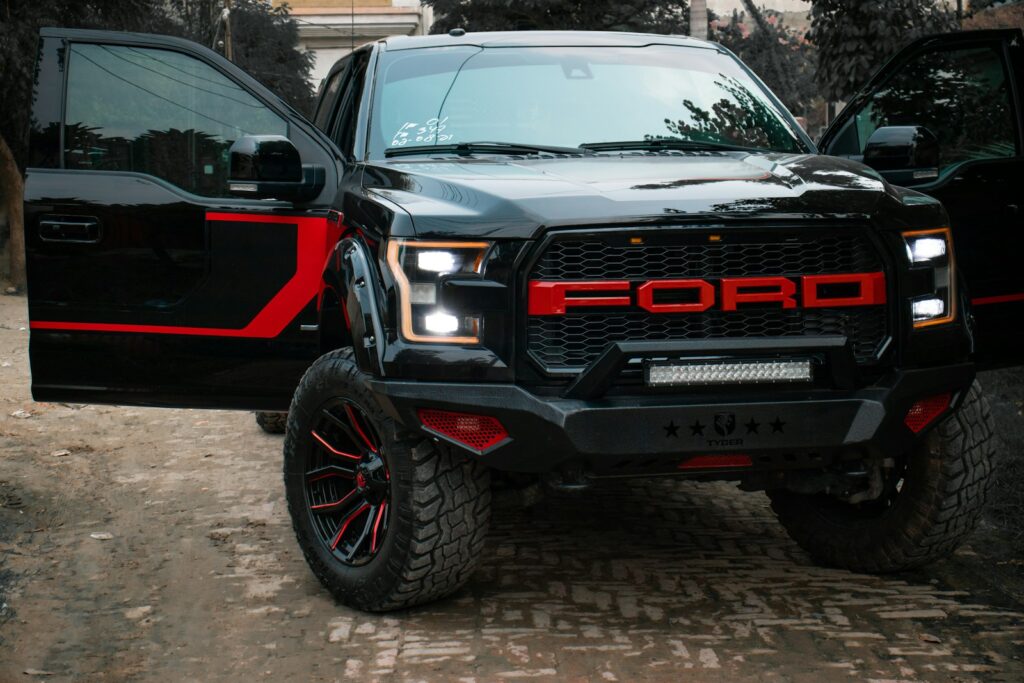
GM has laid out plans to boost its United States output to roughly 2 million vehicles per year, a shift framed as a response to new tariffs that make importing cars more expensive. Ford’s response has been to clap politely in public while making it clear that, in its view, GM is late to the party. In its jab, Ford essentially thanked GM for finally recognizing that America is a pretty important place to build cars for American buyers, a line that plays directly into the company’s long running pitch that it is more rooted in the country than its cross town rival. The company has stressed that it did not need tariff threats to keep factories and jobs on home soil, positioning its own strategy as less reactive and more principled than GM’s new production push, a contrast highlighted in coverage of GM’s plan.
Ford’s critique goes beyond snark. Executives have argued that GM is only shifting production because tariffs have made it too costly to keep building a large share of the vehicles it sells in the United States overseas, a point underscored in reporting that Ford has criticized GM’s plans as reactive. Ford has emphasized that its own commitment is to build in the United States regardless of policy changes, casting itself as less vulnerable to political whiplash. That message lines up with earlier comments that Ford has hit out at GM’s strategy and insisted it does not need tariffs to convince it to build in the US, a stance echoed in coverage of Ford’s pushback.
Ford’s “more American” pitch and GM’s catch up game
The geography joke only works because Ford has spent years building a brand around American manufacturing pride. The company has run campaigns that lean hard into the idea that it builds more vehicles in the United States than any other automaker, a claim that shows up in its “American pride” advertising and is backed by messaging that Ford manufactures more cars in the United States than rivals and wants to keep it that way, as highlighted in coverage of its United States focused. That narrative is now being sharpened against GM, with Ford arguing that while GM could soon be building more vehicles in America, it still has work to do to match Ford’s long running commitment to America, a comparison drawn in detailed reporting on Ford’s comments.
Ford has also taken care to frame GM’s shift as a win for workers and suppliers in America while still painting itself as the more authentic choice. The company has applauded the fact that higher US output will help GM qualify as a more “American” automaker in the eyes of some buyers, but it has paired that with reminders that last year GM maintained its production levels while Ford managed to grow its own footprint in the same period, a contrast laid out in coverage of America focused output. In that telling, GM is not being shamed for moving jobs home, it is being teased for needing a tariff map and a calculator to get there, while Ford presents itself as the company that already knew where its home market was and built its strategy around it.
The tone may be playful, but Ford’s critique is specific. The company has pointed out that GM has historically built a significant share of the vehicles it sells in the US overseas, a pattern that Ford argues is now being reversed only because tariffs have changed the math, a claim reflected in reporting that Ford has criticized GM’s overseas. At the same time, Ford has leaned into its own identity with lines about being “handmade by human hands using machines,” a phrase that has surfaced in coverage of how Ford talks about its factories and its people, including in pieces that note how Ford describes its. That kind of language is designed to make the rivalry feel less like a spreadsheet fight and more like a question of which company is really on the side of American workers.
More from Wilder Media Group: