
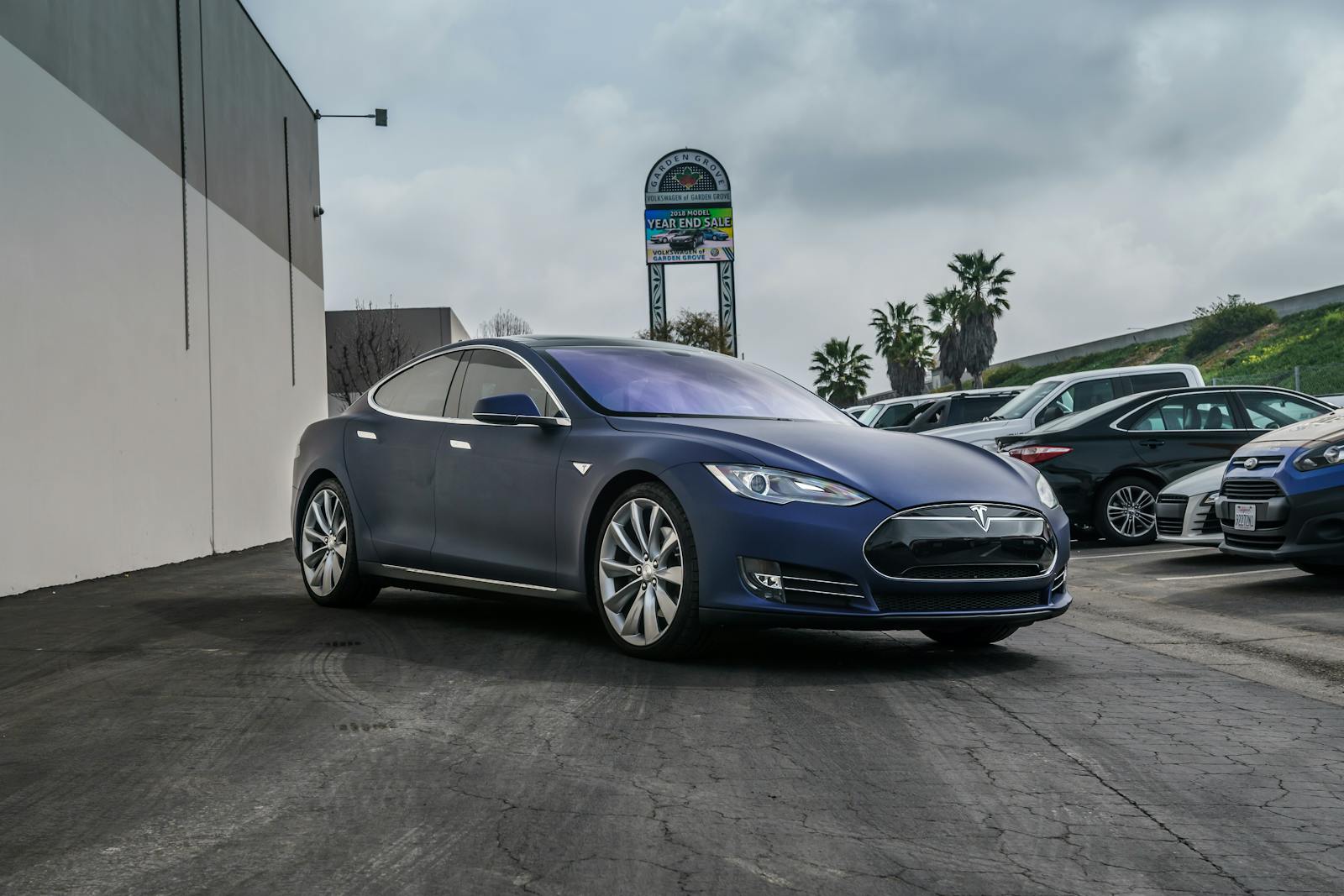

Tesla is officially putting an end date on its two flagship luxury EVs, with Model S and Model X production scheduled to stop in 2026 as the company retools its original Fremont factory for a new star: the Optimus humanoid robot. The shift caps a long slide in sales for the aging duo and locks in Elon Musk’s bet that robots, not premium sedans and SUVs, will drive Tesla’s next decade of growth. It is a clean break with the “S3XY” lineup era and a full embrace of a future where the company’s most important product may not have a steering wheel at all.
For anyone who watched the Model S turn electric cars from science project to status symbol, the decision lands like the end of a TV series that ran your entire adult life. But it also fits a pattern, with Musk repeatedly arguing that Tesla is an artificial intelligence and robotics company first, and a carmaker second, a pitch that now runs through everything from its AI stack to the humanoid machines about to roll off the line in California.
End of the S and X era
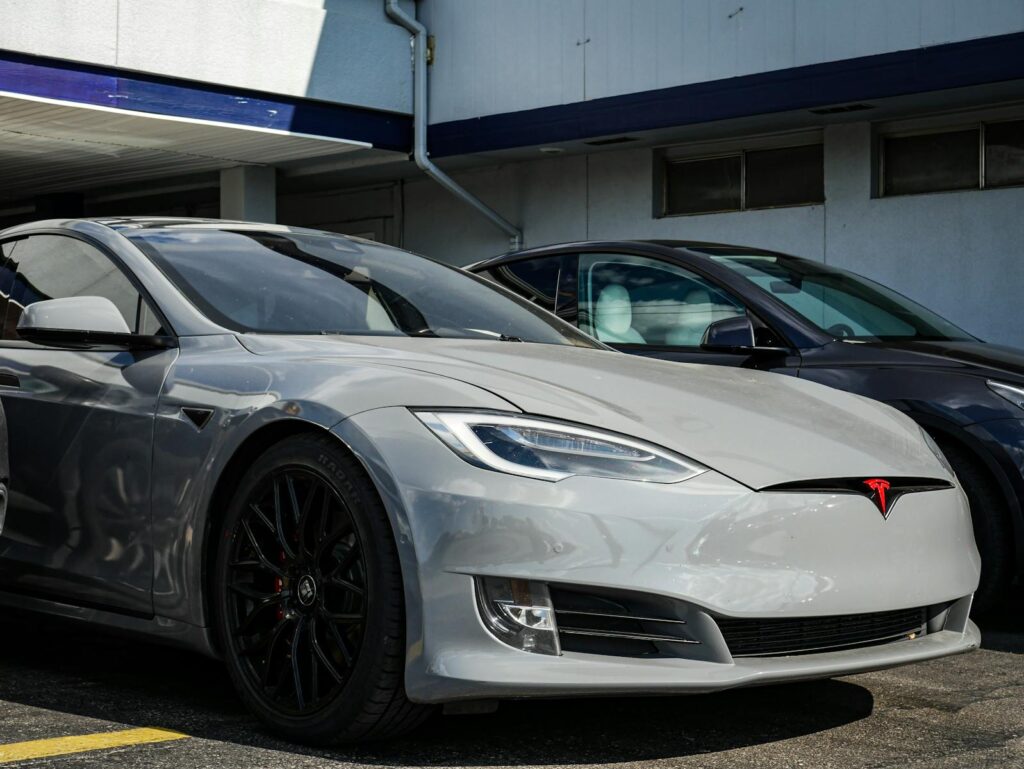
Elon Musk has been telegraphing this move for months, but he finally put a bow on it when he told investors that Tesla will end production of its Models S and X in spring 2026 with no direct replacements planned, a point echoed in a detailed rundown of how Very soon the company will no longer sell the full “S3XY” quartet. On a separate call, he framed the decision as part of a broader pivot, confirming that Tesla is ending Models S and X production at Fremont so those lines can be converted to build Optimus robots instead, a shift laid out in detail in a breakdown of how Elon Musk is reallocating the Fremont footprint.
The emotional tone from Tesla’s side has been a mix of nostalgia and inevitability. The company’s official account called it the “End of an era” as it told fans that Model S and X production will wind down next quarter to make way for Optimus, language that showed up in a widely shared End of post. Another investor-focused summary noted bluntly that there are “no replacements planned” for the big sedan and SUV, reinforcing that In the near term, anyone wanting a six-figure Tesla will be pushed toward the Model 3 Performance, Model Y, or the long-promised next generation Roadster.
Why Tesla is clearing space for robots
Underneath the sentimentality is a cold business reality: Together, the two models now represent only 3% of Tesla’s global deliveries, a figure that surfaced when Musk told followers that the Model S and Model X have been eclipsed by the mass market Model 3 and Model Y, a point repeated in an Together caption. A separate breakdown of that same announcement stressed that Tesla’s own data shows the two flagships have been dwarfed by cheaper models, with the Tesla lineup now dominated by the Model 3 and Model Y rather than the original halo cars.
At the same time, Musk is talking about Optimus in the kind of numbers he once reserved for EVs. In a recent presentation, he said Tesla plans to build 1 million Optimus robots per year at the Fremont factory, a target that surfaced in coverage quoting John Ross Ferrara and relaying Musk’s claim that production could ramp within a few months. Another report on the same event noted that although Tesla is converting a major chunk of Fremont to robots, the company still expects to keep some capacity for future vehicle programs, a nuance spelled out in a follow up that described how Although Tesla is retooling, it is not abandoning cars entirely.
Fremont’s new identity and the gap in Tesla’s lineup
On the ground in Fremont, the shift is already being framed as a changing of the guard, with local coverage describing the city as “ready to wave goodbye” to the Tesla Models S and X and welcome its new robot overlords, a colorful line that came in a piece by Rachael Myrow that also spelled out how Tesla Optimus, also known as a Tesla Bot general purpose robotic humanoid, will become the plant’s new calling card. A separate overview of the transition stressed that Tesla is ending production of Model S and Model X vehicles and will focus on robots in 2026, with one segment noting that Tesla is leaning on its Optimus humanoid robots as the next big thing.
All of this leaves a very real hole in Tesla’s product range. Analysts have pointed out that, unless it comes up with something new, the company will now have a big gap between the Model 3 and Model Y on one side and the Cybertruck and future Roadster on the other, a concern laid out in a piece that argued Perhaps the most important consequence is that missing segment. Another rundown of the decision noted that These Teslas are going out of production and walked through why, explaining that Tesla will discontinue its Model S and Model X vehicles in the coming months as part of a strategy centered on its autonomous future and its Optimus robots, a rationale spelled out in a detailed These Teslas explainer.
More from Wilder Media Group: