
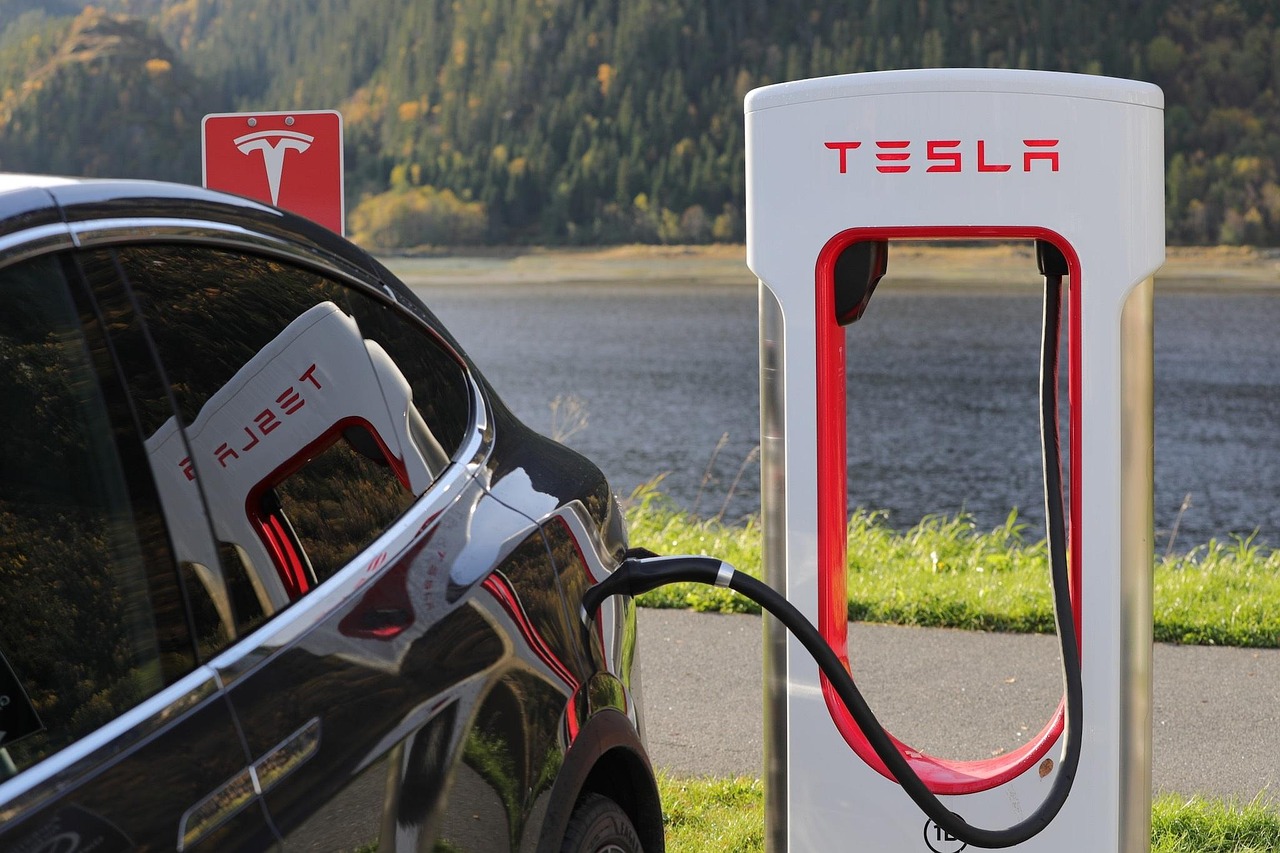

Tesla is about to do something even it has never tried before, and that is saying something for a company built on stunts that turn into strategy. The automaker is winding down the Model S and Model X, the two cars that made electric performance feel normal, and betting that a driverless pod can carry half its lineup and a big chunk of its future. In typical fashion, Elon Musk is not easing into that shift, he is yanking the steering wheel away entirely.
The plan is to replace those flagship sedans with a dedicated robotaxi service built around a new vehicle that does not even bother with a steering wheel or pedals. For loyalists who grew up on the Model S, it feels like the end of an era. For Musk, it is the logical next step in a long push to turn Tesla from a carmaker into an autonomy platform that just happens to ship metal and glass.
The end of Tesla’s first act
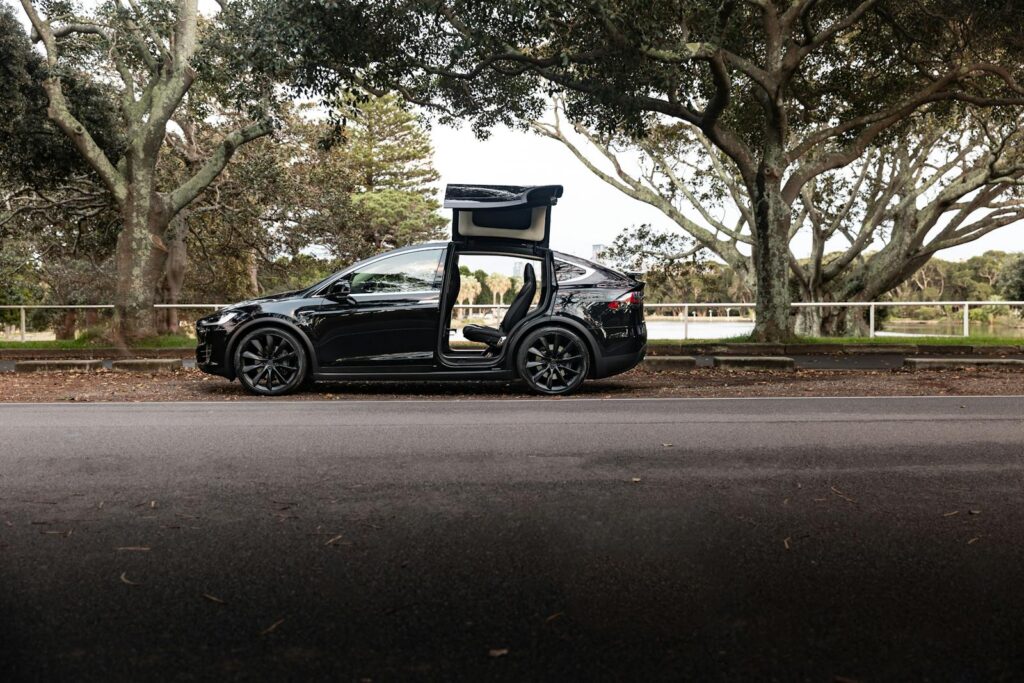
The decision to retire the Model S and Model X lands with real emotional weight, because those cars are the reason Tesla is more than a Silicon Valley trivia answer. The Model S proved that an electric sedan could be fast, fun, and aspirational, while the Model X turned a family hauler into a tech flex with its falcon wing doors. Musk has now confirmed that Tesla will end production of both this year, a move that even he has described as “slightly sad.” For a brand that built its identity on those silhouettes, it is closer to ripping out the first chapter of its own origin story.
The shift also reshapes Tesla’s showroom hierarchy. With the big sedan and SUV gone, anyone who wants something more plush or spacious than a Model 3 or Model Y is being nudged toward the angular Cybertruck, a vehicle Musk openly admits not everyone should own. That leaves the Model 3 and Model Y to carry the mass market, while the halo space that once belonged to the Model S and Model X is being handed to a product that, at least in theory, will not belong to any one driver at all.
Meet the car that does not want you to drive
The star of Tesla’s second act is the Tesla Cybercab, a two passenger battery electric vehicle that is being developed from the ground up as a self driving pod. The company describes The Tesla Cybercab as a compact shuttle that will operate as part of a broader Tesla Robotaxi service, not as a privately owned commuter car. That framing matters, because it signals that the company is no longer just selling hardware, it is trying to own the ride itself, from the app tap to the drop off.
Musk has already told investors that the Cybercab will ship without a steering wheel or pedals, insisting “There’s no fa” need for human controls in a world where software does the work. That is not just a design quirk, it is a regulatory and cultural bet that cities, safety agencies, and riders will accept a sealed pod that treats human drivers as a legacy option. If that gamble pays off, Tesla will not just have replaced two aging models, it will have rewritten what it means to be a car company.
From selling cars to selling rides
Under the hood of this strategy is a simple financial reality: selling a car once is nice, selling the same seat hundreds of times is better. Future product plans already show how tightly Tesla is wrapping its lineup around that idea. A rundown of Future Tesla launches between 2026 and 2028 puts the Tesla Cybercab front and center, alongside a Refreshed Model Y 7 Seater that quietly broadens the family appeal of the lineup. The Cybercab is expected to be accessible through a large liftgate, with an interior stripped of traditional controls to maximize space and simplify maintenance, a layout that only makes sense if the car is spending its life in a shared fleet.
The economics Musk is chasing are just as aggressive as the design. Internal projections cited in those launches suggest operating costs in the range of 25 to 30 cents per mile, a figure that would undercut many human driven ride hailing trips and put pressure on public transit for shorter hops. That is the kind of math that excites investors and terrifies competitors, because it turns every parked Tesla into a missed revenue opportunity and every idle minute into a line item on a spreadsheet.
More from Wilder Media Group: