
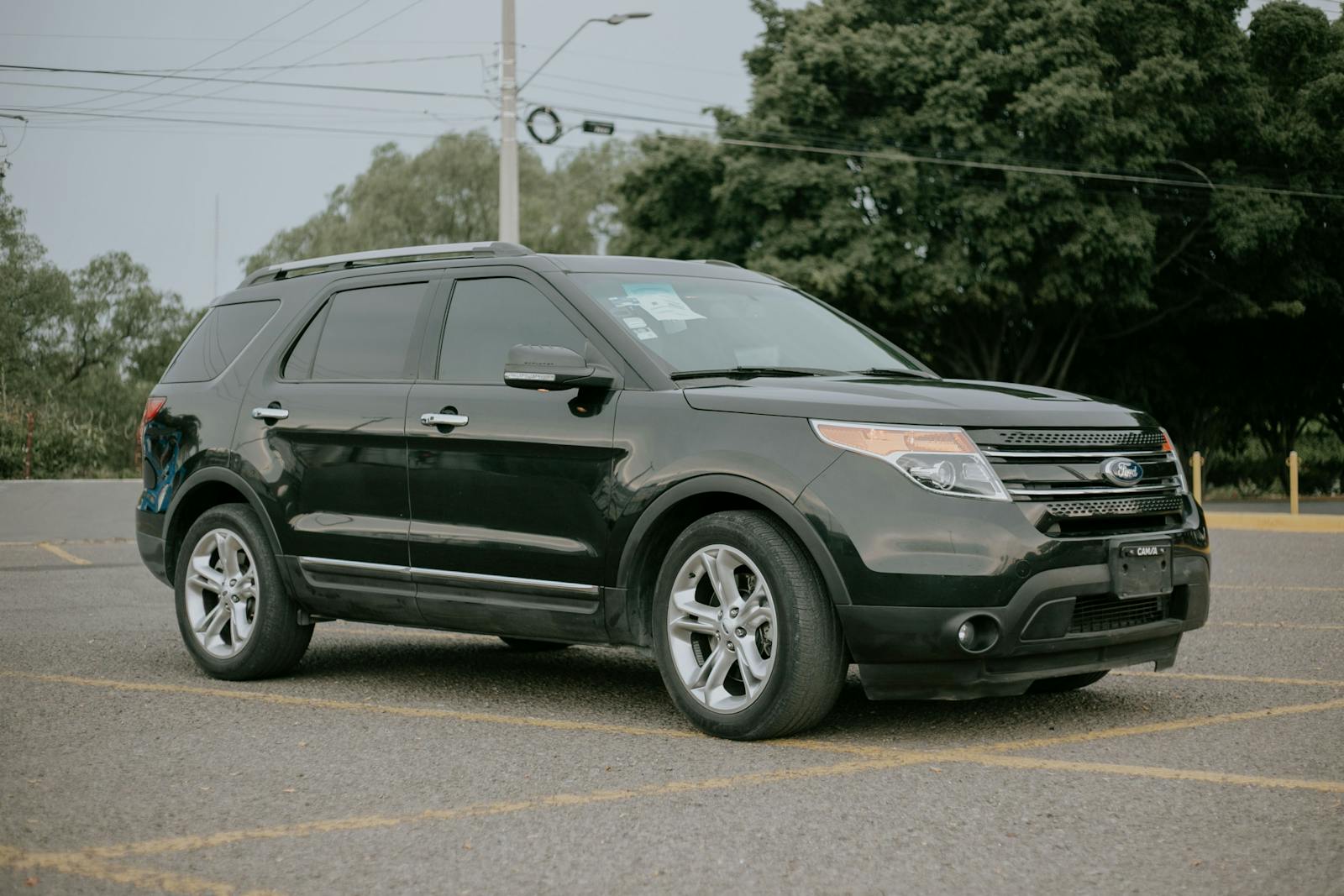

Windshields are supposed to stay glued to the front of an SUV, not threaten to peel off at highway speed. Yet that is exactly the risk behind a new safety recall affecting a tiny batch of 2026 Ford Explorer sport-utility vehicles, landing in the same week that Ford is dealing with a much larger safety campaign. The mix of a dramatic defect on a few vehicles and a quieter but broader recall elsewhere is a reminder that even familiar nameplates can surprise owners in all the wrong ways.
I see two stories colliding here. On one side is a best-selling family hauler with a very specific windshield problem, caught early but serious enough that Ford and federal regulators are now involved. On the other is a separate “Ford Recall Alert” covering 116,672 older vehicles, proof that the company’s quality headaches are not limited to a handful of brand-new Explorers.
When a “Handful of” Explorers Can Lose Their Windshields
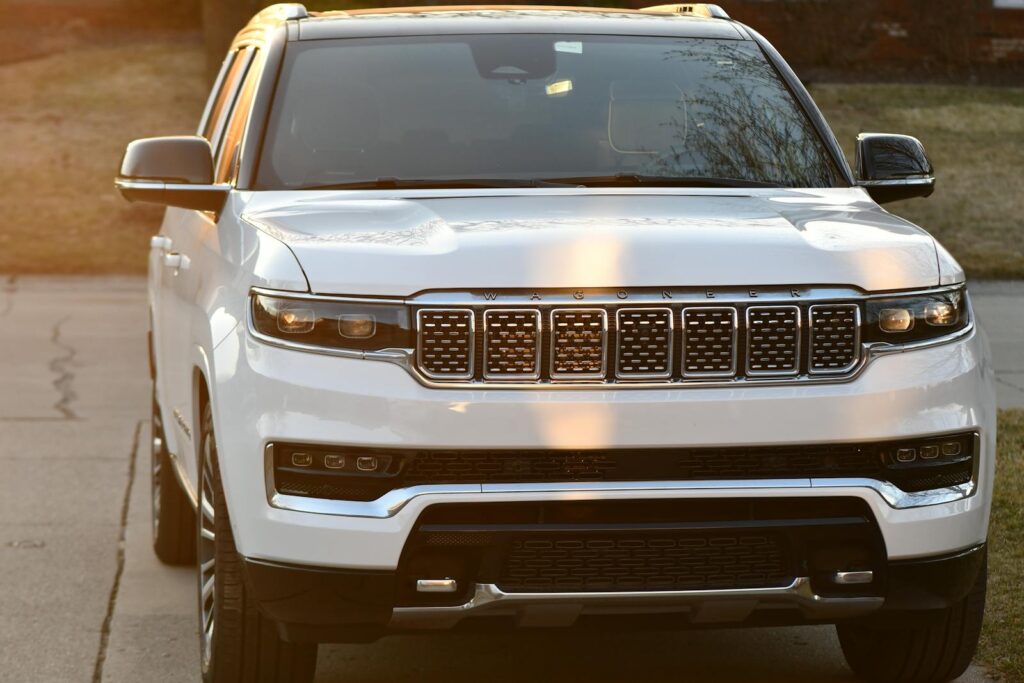
The recall that grabbed everyone’s attention involves the 2026 Ford Explorer, a three-row crossover that has long been one of Ford’s core family SUVs. In this case, only a “Handful of” vehicles are affected, but the defect is dramatic: Ford Recalls a Handful of Explorer SUVs Because Their Windshields Might Pop Off, with reports describing windshields that were not bonded correctly and could detach under certain conditions. The issue is tied specifically to the 2026 model year, and it is serious enough that Ford Motor Company has notified regulators and owners that the glass could separate from the body and create a risk of injury to people in or near the vehicle.
What makes this more unsettling is that the affected Explorers were built in a tight production window, between late September and early October, and yet the potential failure mode is extreme. One report notes that this recall covers only eight examples of the Ford Explorer, all produced between September 29 and October 10, which underscores how narrowly targeted the campaign is even as it deals with windshields that may detach entirely. Another account of the same problem stresses that Ford Catches Windshield Problem Early in a Small Explorer Recall, crediting the company’s internal quality control processes for spotting the defect before more SUVs left the factory. In other words, the scale is tiny, but the stakes are high enough that Ford is moving quickly to replace the glass and reassure owners.
Not Their Only Recall: Airbags, Alerts, and a Long List of Safety Actions
The headline shock of windshields that might fly off has overshadowed the fact that this is not Ford’s only safety issue in play right now. Separate from the Explorer situation, a Ford Recall Alert tied to NHTSA Campaign Number 26V011000 covers 116,672 vehicles, a far larger group that includes certain 2013 model years and focuses on an airbag problem that could turn deadly in a crash. That alert, flagged by a state motor vehicle agency, urges owners to respond quickly because the defect involves critical restraint systems rather than trim or convenience features. It is a reminder that while the Explorer windshield story is dramatic, the more routine recalls can carry just as much real-world risk.
Ford Motor Company has been here before, and the company’s own guidance reflects that reality. In a separate advisory about airbag issues, Ford recommends that owners use their 17-character Vehicle Identification Number to confirm whether their Vehicle is part of an open recall, stressing that the safest move is to schedule repairs as soon as possible. The National Highway Traffic Safety Administration keeps a running database of these campaigns, and drivers can search active recalls directly through the federal recalls portal. On Ford’s side, the company maintains a dedicated page for 2026 Explorer Safety Recalls, listing Windshield replacement and Trailer tow hitch bolts inspection as open items and marking each Recall as incomplete until a dealer performs the fix. Put together, it is a picture of a brand juggling multiple safety actions at once, from a handful of new Explorers with glass problems to tens of thousands of older vehicles with airbag concerns.
How I Would Check My SUV, Step by Step
If I owned a 2026 Explorer right now, I would start by confirming exactly what I have in the driveway. A quick search for the 2026 Ford Explorer pulls up specs, trims, and photos, but the real key is the unique identifier stamped on the vehicle itself. Federal regulators explain that you can Find your 17-character Vehicle Identification Number on the lower left of the windshield, on the label inside the driver’s door, or in registration paperwork, and that this code is what unlocks your recall status. With that VIN in hand, I would plug it into the NHTSA recall lookup and then into Ford’s own recall portal to see whether any Safety Recalls are listed as incomplete for my specific SUV.
More from Wilder Media Group: