
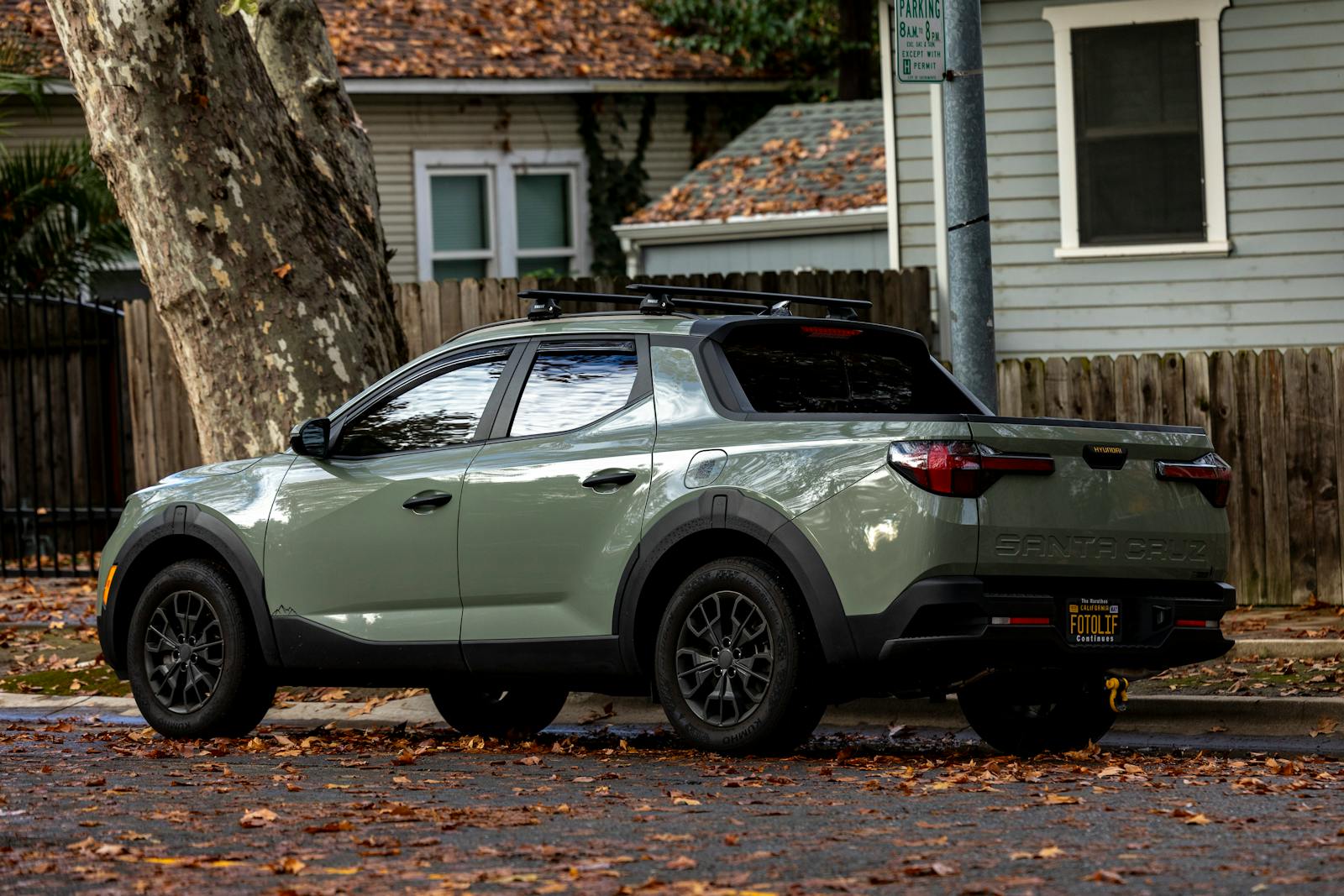

Hyundai is quietly getting ready to pull the plug on the Santa Cruz, the compact pickup that tried to blend crossover comfort with truck-bed utility. Instead of doubling down on that quirky formula, the company is now steering hard toward a larger, more traditional truck aimed at the heart of the midsize segment. The move signals that Hyundai wants to play with the big names rather than carve out a tiny niche on the fringes of the market.
For shoppers, that means the small, lifestyle-focused Santa Cruz is living on borrowed time while a tougher, more capable pickup is being drawn up in the background. It is a pivot that says a lot about where truck buyers are actually spending money, and how quickly an experiment can turn into a stepping stone once the sales charts start talking.
Why Hyundai Is Walking Away From Santa Cruz
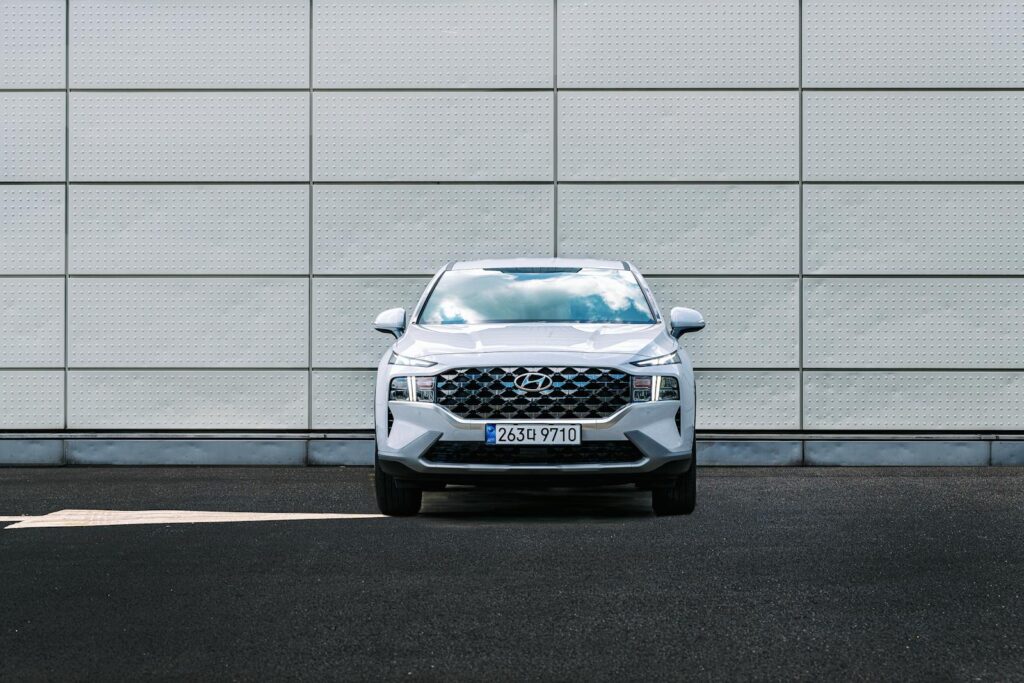
Hyundai has decided to discontinue the Santa Cruz compact pickup by early 2027, a clear sign that the company sees limited upside in staying in the smallest corner of the truck world. Internal planning points to weak demand and shifting buyer tastes, with more shoppers gravitating toward midsize models that can tow, haul, and off-road with fewer compromises. The Santa Cruz arrived as a crossover-based truck with a short bed and a focus on urban practicality, but that formula has not delivered the volume Hyundai wanted, leading the brand to wind down the program as part of a broader truck strategy.
Executives have effectively conceded that the Santa Cruz experiment did not land as planned, especially in a market dominated by body-on-frame pickups from established rivals. Reporting on the decision notes that Hyundai is reacting to consumer preferences that favor more capable trucks and that the compact model will be phased out in favor of a larger vehicle that can stand toe to toe with mainstream competitors. The company is already managing down production and signaling to dealers that the lifestyle pickup is a short-timer, with the Santa Cruz described as “winding down” while Hyundai prepares bigger plans in the segment.
From Niche Experiment To Midsize Ambition
Hyundai is not treating the Santa Cruz as a failure so much as a trial run that taught the brand how American truck buyers think. Company officials have framed the project as a Valuable Learning Experience, saying that The Hyundai Santa Cruz helped engineers and planners understand how to package a pickup, how customers use open beds, and where the brand fell short on capability. That feedback loop is already feeding into the next truck, with Hyundai openly acknowledging that The Santa Cruz Is Reportedly Dying, But Hyundai Says Making It Was a Valuable Learning Experience and that the lessons will shape a more conventional, more competitive product few years.
The new truck will not repeat the crossover-based formula. Hyundai has already confirmed that it is working on a true midsize pickup, with a United States launch targeted for 2029, positioned directly against established players like Toyota Tacoma and Ford Ranger. Unlike the Santa Cruz, this upcoming model is expected to use a more traditional layout and to focus on towing, payload, and off-road credibility rather than purely lifestyle flair. Reporting describes the project as a way for Hyundai to finally land a punch in a segment it has watched from the sidelines, with the company stating that the midsize truck is already in development and that it will arrive as a more serious contender.
The Competitive Pressure And What Comes Next
Hyundai’s pivot is also a nod to the reality of competing with Ford and other entrenched truck brands. Analysts note that Hyundai concedes to Ford with its plan to drop the Santa Cruz for a more capable pickup, effectively admitting that a tiny bed and crossover bones are not enough in a market where buyers expect real work-truck credentials. The Santa Cruz for Hyundai arrived in 2021 with a bed shorter than many compact rivals and a focus on style, but the company now wants a truck that can go head to head with the Ford Ranger and similar models, a shift that is already being framed as Hyundai conceding ground in order to come back stronger with a larger pickup.
The broader context is that Hyundai is not alone in rethinking its truck playbook. Sister brand Kia has been wrestling with its own pickup challenges, with reports that Kia Admits The Tasman Has Been a Sales Flop In 2025 and that Kia Is Struggling To Meet Its Sales Targets For The Tasman in key markets. The 2025 Kia Tas has shown how hard it is for a newcomer to crack truck loyalty, and Hyundai appears determined not to repeat that misstep as it develops its midsize entry. By studying how the Santa Cruz performed, watching how the Tasman stumbled, and tracking how buyers flock to established midsize trucks, Hyundai Is Ending Its Small Pickup Experiment, With a Bigger One on the Way that is meant to feel less like a quirky side project and more like a serious alternative in a fiercely loyal segment.
More from Wilder Media Group: