
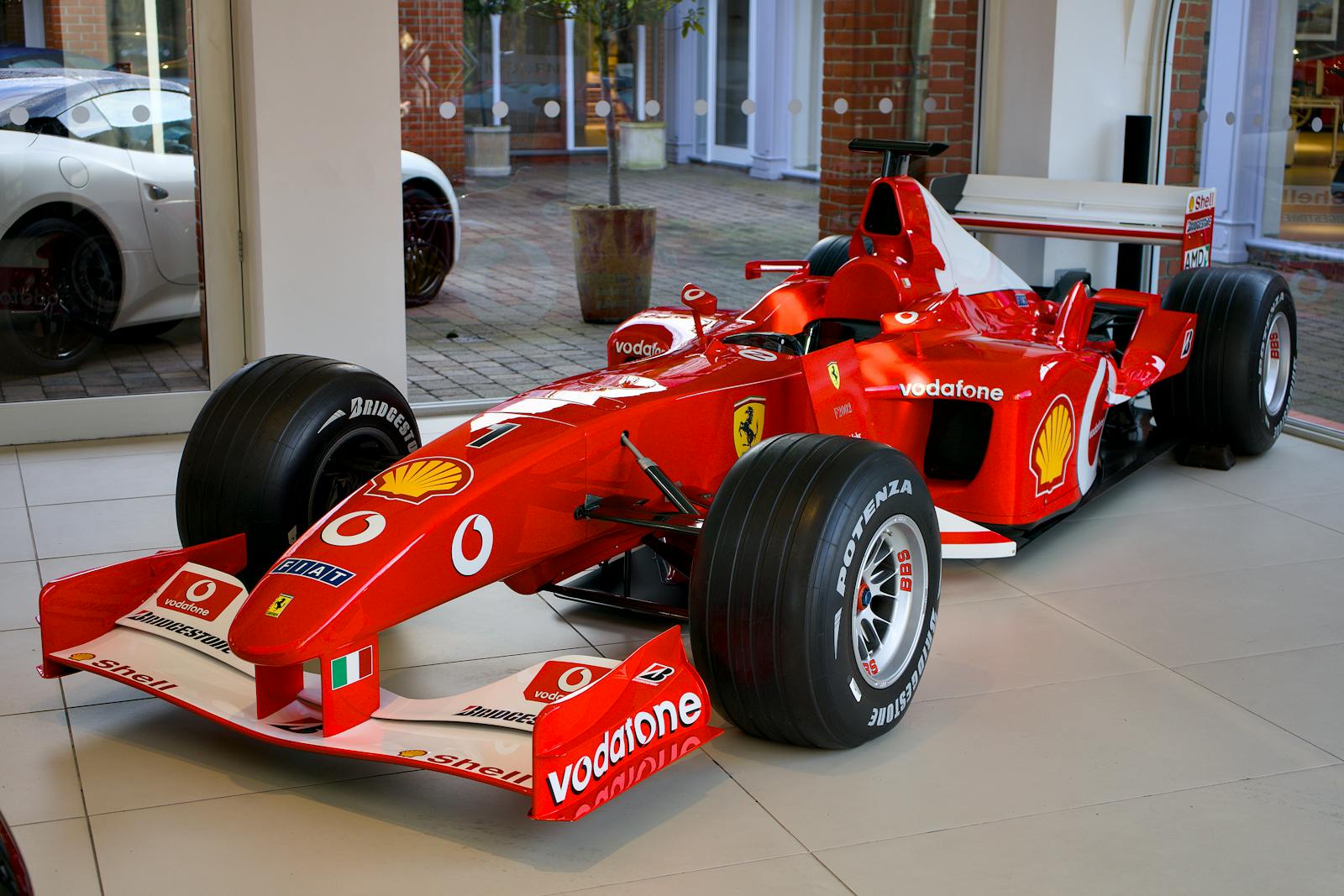

Ferrari has pulled the covers off the SF-26, the car it hopes will define its place in Formula 1’s radical new rules era. Built for a championship that is being reshaped around fresh engine and aero regulations, the SF-26 is pitched as both a clean-sheet design and a statement of intent from Maranello. It is also the machine that will carry Lewis Hamilton and Charles Leclerc into one of the most anticipated teammate pairings in recent memory.
From the first studio images to the early laps at Fiorano and Barcelona, the SF-26 looks like Ferrari trying to blend heritage, efficiency, and star power into one very modern package. The question now is whether that mix is enough to turn a bold launch into a sustained title push.
The SF-26: Hardware for Formula 1’s reset
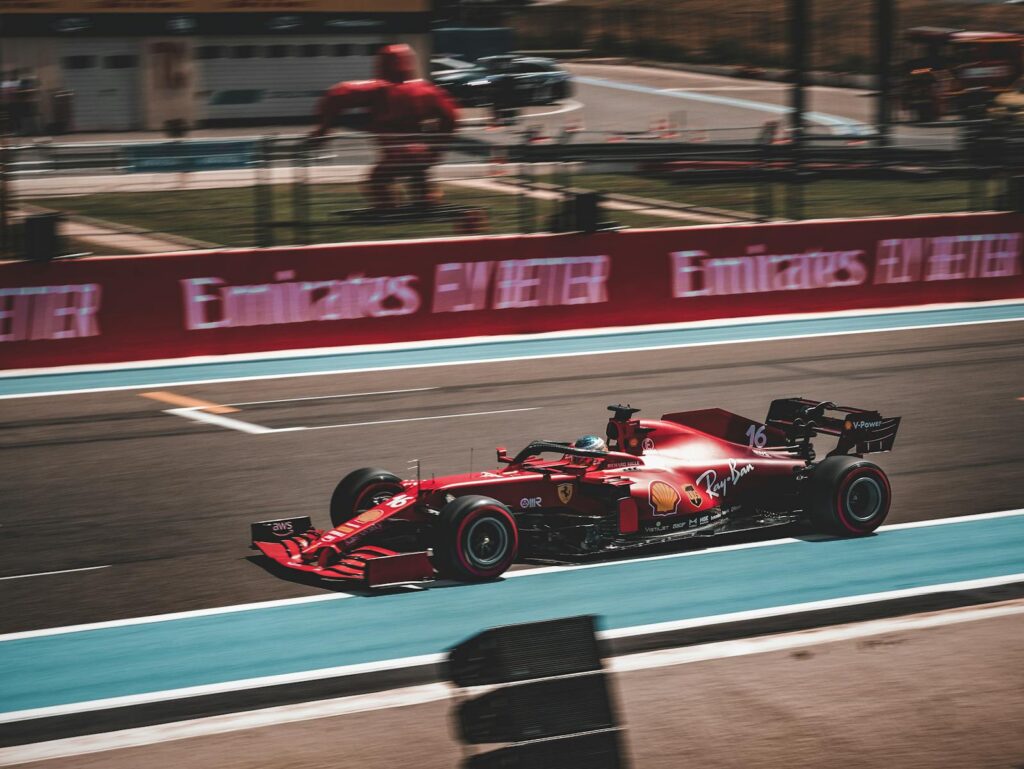
Ferrari is treating the SF-26 as the opening chapter of a fresh technical cycle, and the car’s fundamentals show why. The chassis is a carbon fibre composite honeycomb structure with halo protection, a layout that reflects the latest safety standards while keeping weight in check, and it sits at the heart of a package detailed on the team’s official SF-26 page. Scuderia Ferrari HP describes the car as the machine with which it will contest the 2026 Formula 1 World Championship, underlining that this is not an interim solution but the baseline for several seasons of development, a point reinforced in the team’s own technical specifications.
The launch at Fiorano Circuit was framed as the start of a “new era” for the team, with Scuderia Ferrari HP stressing that the SF-26 has been designed specifically around the all-new regulations that reshape how much work the internal combustion engine and the electric system each contribute to the power unit. That emphasis on the hybrid side of the package is echoed in Ferrari’s description of how the car has been tailored to the 2026 rules, which increase the relative contribution of the electric system. The team has also highlighted how its chassis department has worked hand in hand with the power unit group to meet those demands, a collaboration flagged in Ferrari’s own explanation of how the SF-26 responds to the 2026 regulations and the work of its chassis colleagues.
Design philosophy: evolution wrapped in a new rulebook
Visually, the SF-26 is Ferrari leaning into continuity while the rulebook forces change. The car is presented as Maranello’s first machine of Formula 1’s new era, with Scuderia Ferrari HP unveiling it at the Pista di Fiorano as a “First Car of Formula 1’s New Era” for the team, a description that underlines how the project is meant to reset expectations after difficult seasons for the Maranello squad. Under the skin, the SF-26 sticks with push-rod suspension front and rear and active aero elements at both ends, a combination Ferrari lists among the key features of its 2026 single-seater, alongside halo protection and the carbon fibre chassis that define the FERRARI SF-26 concept. Technical documentation also notes the car’s overall weight, including driver, coolant, and oil, as part of a detailed breakdown of the SF-26’s technical profile.
There are also clear aerodynamic tweaks that show Ferrari refining rather than ripping up its previous ideas. Analysis of the SF-26’s bodywork highlights a small air intake beneath the airbox that is designed to improve cooling, a detail that sits alongside revised sidepod and engine cover surfaces in what has been described as a continuation of the philosophy used on the SF-25, with the new intake and other changes helping the team adapt to the 2026 airflow demands while keeping a familiar philosophy. Official records also place the Ferrari SF-26 in the Formula One category with Scuderia Ferrari listed as Constructor and specific Designers credited for the project, underscoring how the car fits into the team’s broader development lineage.
Power units, drivers, and early reality checks
The SF-26 is also Ferrari’s answer to the most dramatic engine rules shift since the hybrid era began. The 2026 power units keep the same basic architecture as their predecessors, but the balance between combustion and electric power changes significantly, with more energy available through the hybrid system and a different deployment profile that affects how teams design their cars and race strategies. That shift is central to how the SF-26 has been conceived, and it mirrors the wider explanation of how the 2026 engines are “not too dissimilar” in core make-up yet rely more heavily on the hybrid side, as outlined in a detailed breakdown of what has changed. Ferrari’s own material on the SF-26 reinforces that the car has been built around this new split, with Scuderia Ferrari HP again stressing the increased role of the electric system in its official World Championship entry.
More from Wilder Media Group: