
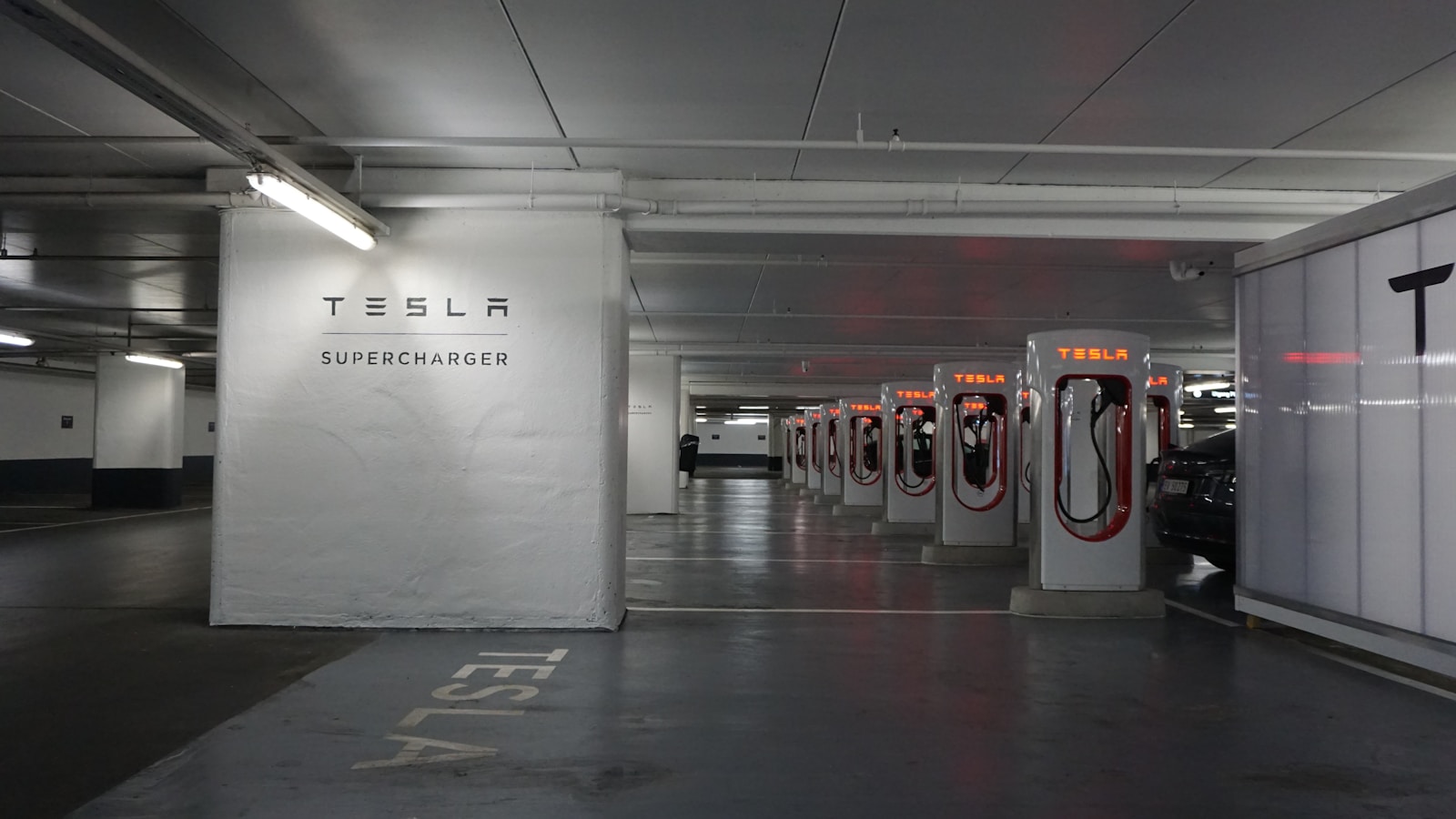

Tesla is officially putting an end date on its two flagship luxury EVs and handing their factory floor to humanoid robots. Production of the Model S and Model X will wind down by the end of 2026, clearing space in Fremont for Optimus assembly lines that Elon Musk is betting will define the company’s next chapter. It is a pivot that closes the book on the cars that made Tesla a status symbol and doubles down on the idea that its future is less about sheet metal and more about general-purpose AI.
The move has been framed as both a sentimental goodbye and a cold business calculation. Together, the Model S and Model X now account for a sliver of Tesla’s global deliveries, while the company sees a far bigger market in selling millions of robots to factories, warehouses and maybe even homes. The question hanging over Fremont is whether this gamble turns a pioneering carmaker into the first true robotics giant, or simply leaves loyal owners watching their dream cars become museum pieces.
The end of an era for Model S and Model X
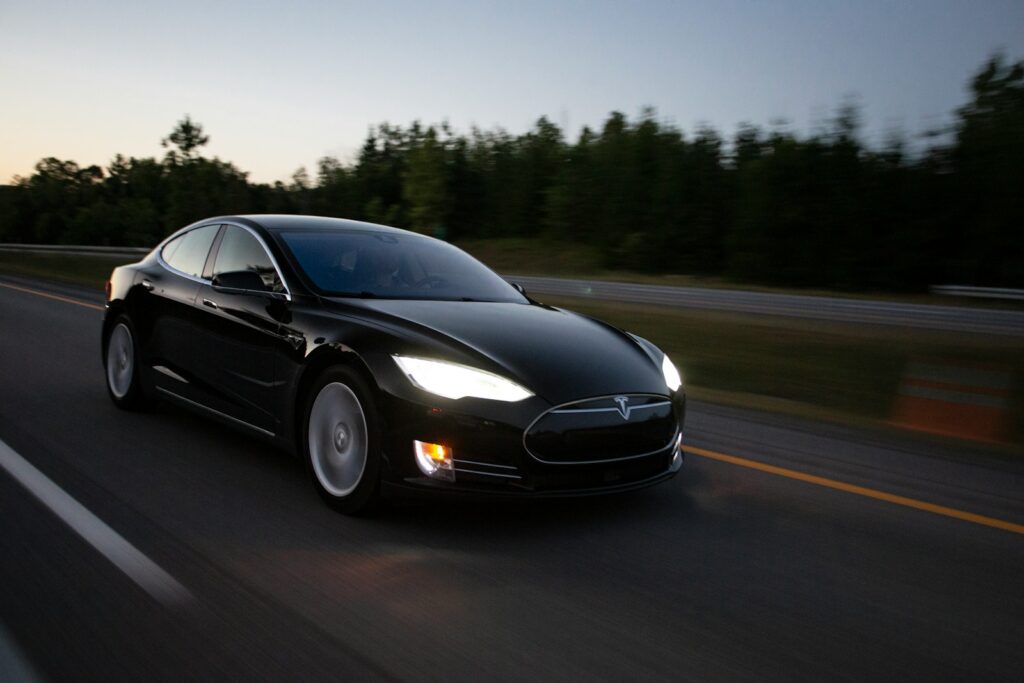
Inside Tesla, the decision to retire the Model S and Model X has been brewing for a while, as the company’s growth shifted to cheaper, higher volume cars. Reporting on the company’s product roadmap shows that production of both models will stop by the end of 2026, with the phaseout beginning in the second quarter as lines are retooled for new uses at the Fremont plant, according to production plans. Chief executive Elon Musk has described the call as “slightly sad,” but he has also been clear that the company no longer sees its identity tied to a pair of six-figure halo cars. On a recent earnings call, he told investors that Tesla is ending Models S and X production and converting Fremont lines to build Optimus robots, underscoring that the plant is now a robotics hub as much as an auto factory, a shift detailed in investor briefings.
For owners and fans, the emotional punch is real. The Model S turned Tesla into a household name, while the Model X SUV, with its falcon-wing doors, became shorthand for tech wealth, yet Together the two models now represent only 3% of Tesla’s global deliveries as mass-market vehicles like the Model 3 and Model Y took over, a figure Musk highlighted in comments captured on Instagram. Musk has also reminded investors that the Model S and Model X sedan and SUV sit at the top of Tesla’s price ladder, with the Model X starting at around $100,000, a point reiterated in pricing disclosures. That combination of low volume and high complexity made them prime candidates for retirement once Tesla decided its factory space was more valuable as a launchpad for robots and AI compute clusters, a direction also flagged in Q2 guidance.
Fremont’s next act: a million Optimus robots a year
The real story behind the sunset of Tesla’s luxury EVs is what replaces them on the line. Musk has been increasingly explicit that the company is shifting from a pure automaker into a robotics and AI platform, and Fremont is the physical proof of that strategy. On the same call where he confirmed the end of Models S and X, he said Tesla is converting Fremont factory lines to make Optimus humanoid robots, a plan laid out in detail in earnings commentary. He has framed the discontinuation of the X and S lines as part of an “overall shift” to a future where Optimus units are deployed at scale, a framing echoed in coverage of Tesla’s decision to kill the Model S and Model X in favor of building robots, as described in earnings coverage. Another report on Tesla ending Model S and X production in Q2, quoting CEO Elon Musk, notes that the company is reallocating capacity toward robots and AI compute clusters, reinforcing that this is not a side project but the core of its next growth phase, as outlined in company statements.
More from Wilder Media Group: