


Ever had that nagging feeling that something’s just not quite right with your car? Maybe it’s been sputtering a little more than usual, or perhaps you’ve noticed your gas mileage taking a nosedive. Well, if you’ve been ignoring your spark plugs, it might be time to give them some attention. Trust me, these little guys are critical to your engine’s performance, and experts say they can wear out faster than you’d think.
What’s the Deal with Spark Plugs?
So, let’s break it down. Spark plugs are like the ignition superheroes of your engine. They create the spark that ignites the air-fuel mixture in the combustion chamber, giving your engine the power it needs to run smoothly. Without them, you’re not going anywhere fast—literally. But here’s the kicker: the lifespan of these tiny titans can vary significantly based on several factors.
1. The Type of Spark Plug Matters
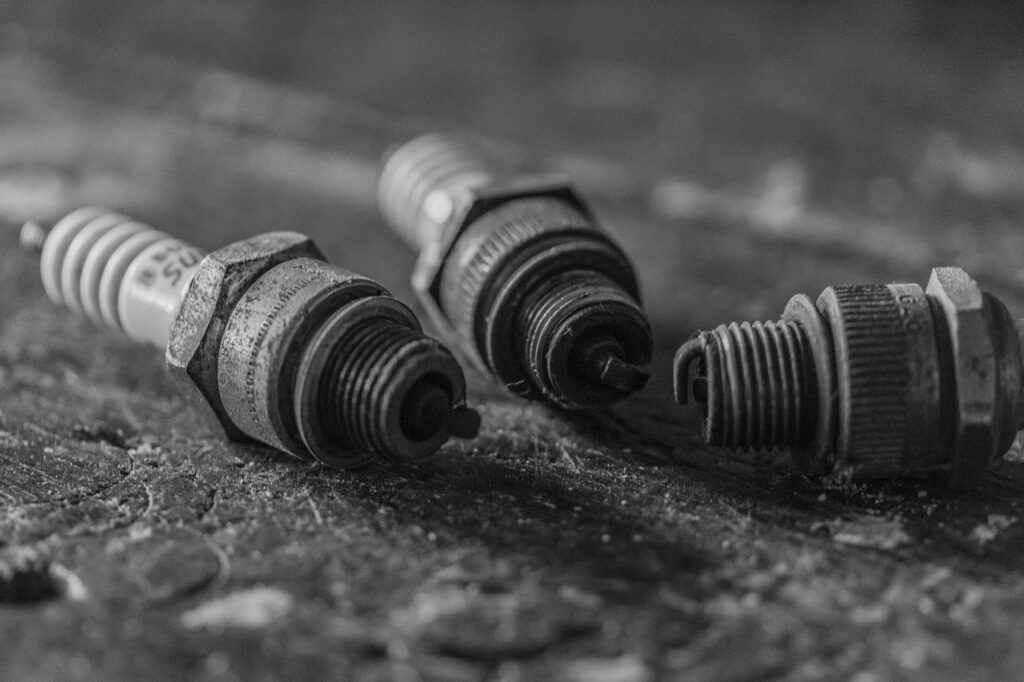
First things first, not all spark plugs are created equal. You’ve got copper, platinum, and iridium options, each with their own quirks. Copper plugs are the classic choice and generally cheaper, but they don’t last as long—think 20,000 miles, tops. Platinum and iridium plugs, on the other hand, can go up to 100,000 miles. Sounds great, right? But hold on; just because they can last longer doesn’t mean they’re invincible.
2. Driving Conditions Can Be a Game Changer
Ever drive in stop-and-go traffic or live somewhere with lots of extreme weather? Yeah, that can wear your spark plugs out faster than you can say “engine trouble.” Frequent short trips and heavy acceleration can put extra strain on them, too. It’s like they’re running a marathon every day instead of just a casual jog. So if you’re a city dweller or a lead-footed driver, you might want to keep an eye on those plugs.
3. Ignoring Maintenance is a Recipe for Disaster
Let’s talk about maintenance—or the lack thereof. We all have that friend who skips their oil changes, right? Well, ignoring your spark plugs is a bit like that. Regular inspections and timely replacements can save you from a world of hurt down the road. Experts recommend checking your plugs every 30,000 miles, but if you notice any signs of wear—like rough idling or a decrease in fuel efficiency—don’t hesitate to take a peek sooner.
4. Quality Counts
We’ve all been tempted by that “too good to be true” deal on spark plugs at the local auto parts store. But here’s the thing: cheap doesn’t always mean cheerful. Investing in high-quality spark plugs can make a world of difference in performance and longevity. Plus, if you’ve got a newer model, it’s likely designed to work with specific plug types. Do your research and stick with reputable brands to avoid any nasty surprises down the line.
Signs Your Spark Plugs Are on Their Last Legs
Okay, so you’re convinced that spark plugs matter. But how do you know when yours are waving the white flag? Well, there are a few tell-tale signs to look out for. If your car’s engine is misfiring or struggling to start, it could be time for a change. You might also notice a decrease in acceleration or a rough idle. And let’s not forget about that lovely little increase in fuel consumption; if your tank seems to empty faster than usual, your plugs might be to blame.
How to Replace Spark Plugs Like a Pro
If you’re feeling adventurous, replacing spark plugs isn’t rocket science. Grab your tools, and let’s do this! First, make sure the engine is cool (no one wants to get burned). Then, locate the spark plug wires, remove them gently, and unscrew the old plugs. Before installing the new ones, give them a little gap check to ensure they’re set to the right specs. Finally, screw them in, reattach the wires, and voilà! You’re officially a spark plug hero.
Final Thoughts
So, there you have it! Spark plugs might be small, but they pack a big punch when it comes to your car’s performance. They can wear out surprisingly fast due to various factors, but with a little attention and care, you can keep your engine running like a dream. Remember, regular maintenance is key, and don’t shy away from asking a mechanic for help if you’re unsure. After all, it’s always better to be safe than sorry when it comes to your trusty ride!
More from Steel Horse Rides: