
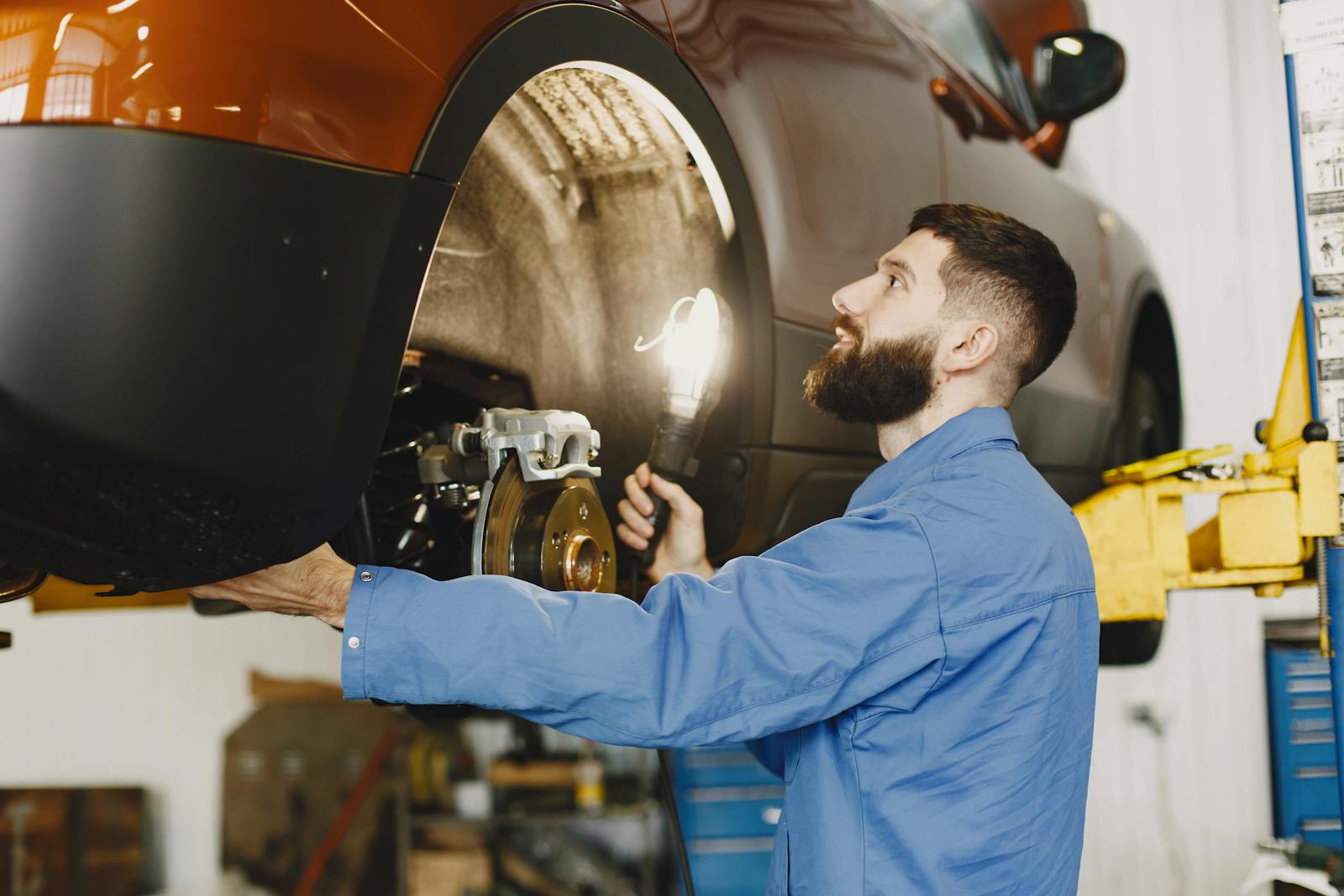

Have you ever felt that unsettling shudder while braking, like your car is trying to send you a secret message? If so, you’re probably dealing with warped brake rotors — a common yet pesky issue that has more drivers scratching their heads than you might think. We caught up with four brake rotors experts who spilled the beans on why these vital components warp way too easily, and let me tell you, it’s a bit of a wild ride.
Understanding the Basics: What Are Brake Rotors, Anyway?
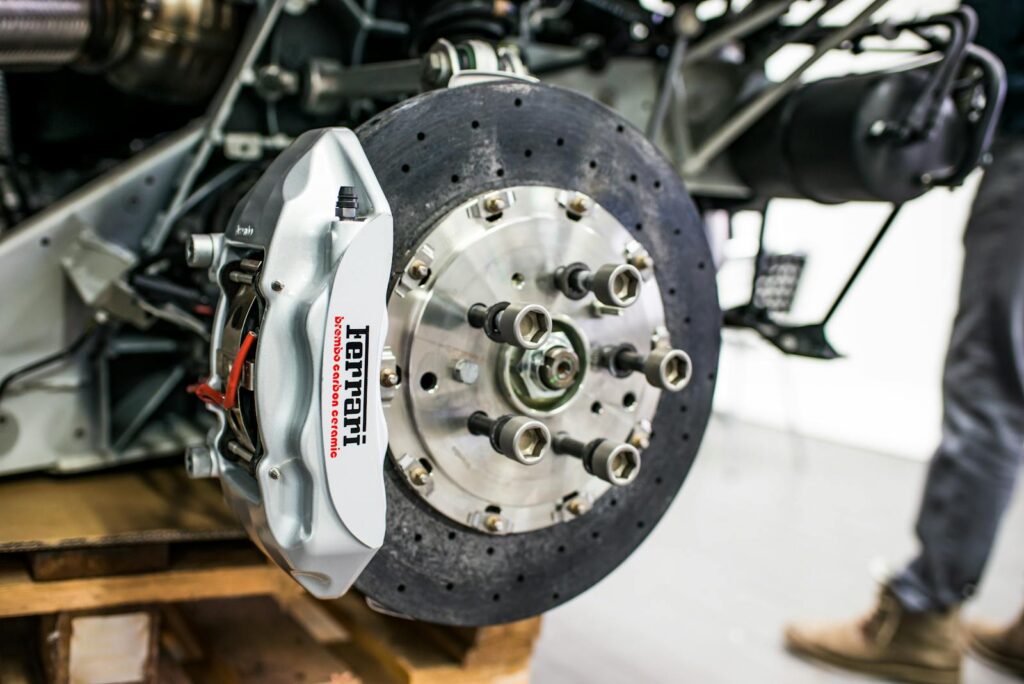
Before we dive into the nitty-gritty, let’s get on the same page. Brake rotors are those shiny discs you see behind your wheels, and they play a crucial role in stopping your vehicle. When you press the brake pedal, brake pads clamp down on those rotors, creating the friction needed to bring your car to a halt. Simple enough, right? But like every good thing, they have their weaknesses — and warping is at the top of the list.
Heat: The Arch-Nemesis of Brake Rotors
First up is heat. According to our experts, excessive heat is the primary culprit behind warped rotors. “When you brake hard or frequently, especially in stop-and-go traffic, the heat builds up,” explains Mark, a seasoned mechanic with over 15 years of experience. “If the rotors can’t dissipate that heat properly, they’ll start to warp.” It’s kind of like trying to cook a steak on high heat and expecting it to stay perfectly tender. Spoiler alert: it won’t.
And let’s face it, nobody wants their rotors to feel like they just ran a marathon after a quick grocery run. So, if you’re constantly riding the brakes, it might be time to lighten up on that pedal. Your rotors will thank you.
Material Matters: Not All Rotors Are Created Equal
Next up, let’s talk materials. Brake rotors come in various types, including cast iron, carbon-composite, and even ceramic. And believe it or not, the type you choose can make a huge difference in how easily they warp. “Many drivers don’t realize that cheaper rotors often sacrifice quality for price,” says Sarah, a brake specialist who’s seen her fair share of warped rotors. “If you’re skimping on your rotors, you might as well invite warping over for tea.”
So, if you’re in the market for new rotors, consider investing in higher-quality options. It’s like buying a good pair of shoes — cheaper ones might seem tempting, but they’ll leave you with sore feet (or in this case, a warped vehicle). Plus, quality rotors can provide better performance and longevity, so it’s a win-win!
Driving Habits: The Unseen Enemy
Now, let’s chat about driving habits. We’ve all been there: you’re running late, and suddenly, you’re in a high-speed chase with your own to-do list. But what you might not realize is that aggressive driving can wreak havoc on your brake rotors. “Hard braking, frequent stops, and driving in hilly areas can all contribute to warping,” says Tom, a brake engineer with a passion for educating drivers. “It’s like taking your rotors for a rollercoaster ride — a wild thrill, but not exactly good for their health.”
So, next time you’re in a rush, try to channel your inner turtle instead of the hare. Smooth driving not only keeps your rotors intact but also saves on fuel. Who knew being a cautious driver could be a win-win?
Signs Your Rotors Might Be Warping
So, how do you know if your rotors are waving the white flag? There are a few signs to watch out for. “The most obvious is that shaking or vibrating sensation when you brake,” says Lisa, a brake technician who loves to help folks understand their vehicles. “You might also hear squeaking or grinding noises or notice uneven wear on your brake pads.”
If you’re experiencing any of these symptoms, it’s time to get your rotors checked out. Ignoring the problem could lead to more significant issues down the line — think costly repairs or even safety hazards. Nobody wants to be that person who suddenly finds themselves in a brake-less situation!
Preventing Warping: Tips from the Experts
Now that you know what causes warping, let’s talk prevention. The experts have some golden nuggets of wisdom to share. First off, regular maintenance is key. “Make sure to have your brakes inspected at least once a year,” suggests Mark. “It’s like a health check for your car, and it can save you a lot of headaches later on.”
Additionally, avoid heavy loads whenever possible. “If you’re frequently transporting heavy items, consider upgrading to heavy-duty rotors,” advises Sarah. “Your rotors will appreciate the extra love”.
More from Wilder Media Group: