
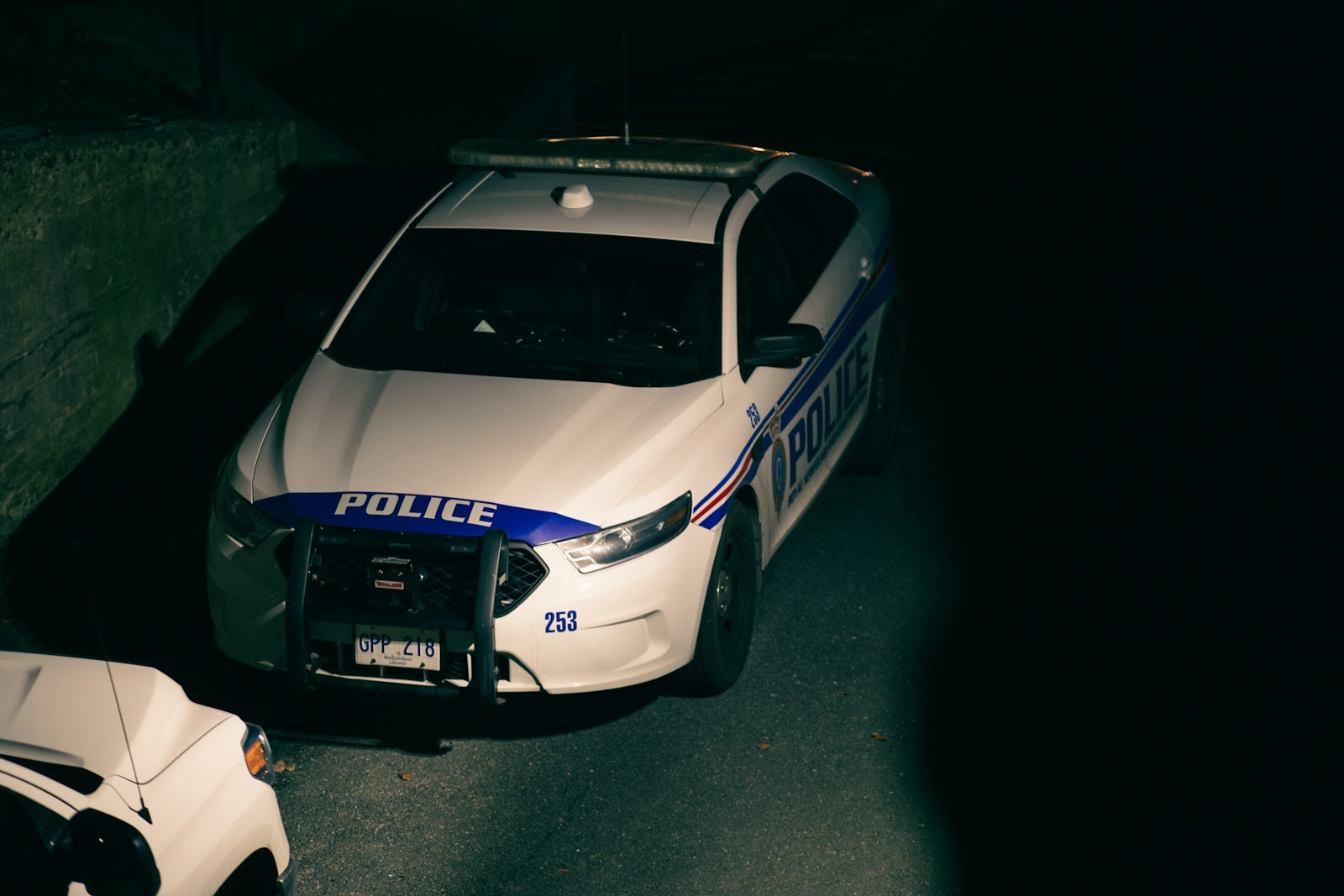

So, you’re driving home after a long day, and suddenly, you see those flashing lights in your rearview mirror. Your heart races, and before you know it, you’re pondering the age-old question: Is this really a cop, or am I about to be pulled over by someone with a questionable sense of authority? You wouldn’t be alone in wondering this! It turns out that there are a few steps you can take to make sure you’re interacting with the real deal. Let’s break it down with the help of some seasoned officers.
1. Pull Over Safely

First off, if you think you’re being pulled over, don’t panic. Just like a deer caught in headlights, panicking isn’t going to help anyone. Find a safe spot to pull over—ideally, a well-lit area with other people around. This doesn’t just make you feel safer; it also makes your situation clearer for anyone watching. If you’re not sure where to stop, a parking lot or a busy street corner can be a good choice. Just don’t take an exit like you’re trying to escape a low-budget action movie!
2. Don’t Get Out of Your Car
Here’s a tip from the pros: stay in your vehicle. Officers recommend keeping your seatbelt on and your hands visible on the steering wheel. This way, you’re signaling that you’re not a threat, and it gives the officer a clear view of what’s happening inside your car. Plus, let’s be real, you’re not auditioning for a role in “Cops.” Just hang tight until they approach.
3. Request Identification
You wouldn’t hire a plumber without checking their credentials, right? So why not do the same with an officer? If you’re feeling uneasy, it’s perfectly okay to politely ask for identification. Real officers will usually show their badge without any fuss. If they hesitate or don’t have it readily available, that’s a red flag. A genuine officer will understand your concern and will be happy to prove their identity.
4. Look for a Patrol Car
Most officers drive marked patrol cars—think flashing lights and police decals. If you’re being pulled over by an unmarked car, it’s a good idea to take a quick glance at the vehicle. Does it look legit? Do they have the proper lights? If it’s a sketchy-looking car, you might want to take a moment to figure things out. In such cases, it’s perfectly acceptable to stay in your car and call 911 to verify their identity. You know, just to cover your bases!
5. Trust Your Instincts
Your gut feeling is a powerful tool. If something feels off, it probably is. Maybe the officer’s behavior seems unusual, or they’re acting overly aggressive for a routine stop. Whatever it is, trust that instinct. Officers suggest keeping your phone handy, so if you feel threatened, you can call for backup—whether that’s a friend or the actual authorities. You have every right to feel safe during a police encounter.
6. Know the Laws
Finally, being informed can be your best ally. Familiarize yourself with local laws regarding police stops. Each state has different regulations on how police can conduct stops. Understanding your rights can make a huge difference in how you navigate a potentially uncomfortable situation. It’s like going into a game knowing all the rules—trust me, it makes things a lot easier!
Wrap Up
So, there you have it! Next time you find yourself in a situation where you’re unsure if it’s a real cop or not, remember these handy tips. It’s all about keeping yourself safe while also being respectful. Officers are just doing their jobs, and they’d rather you feel secure than anxious. In the end, it’s about making sure everyone’s on the same page—so you can get back to your favorite playlist or that podcast you’ve been dying to finish. Just be smart, stay calm, and trust your instincts. After all, you’ve got this!
More from Wilder Media Group: