


When it comes to innovation in the automotive world, some concept cars have truly stood out by redefining what’s possible. These vehicles not only showcase advanced technology and design but also give us a glimpse into the future of driving. You might be surprised to learn just how visionary these cars were, often paving the way for trends that are now common on the roads.
Throughout the years, manufacturers have unveiled these ambitious designs to gauge consumer interest and push engineering boundaries. From eye-catching aesthetics to groundbreaking features, these concept cars illustrate the creativity and forward-thinking mindset of the automotive industry. They remind you that often, the future of driving is just around the corner.
Buick Y-Job

The Buick Y-Job, introduced in 1938, is often labeled the first concept car. Designed by Harley Earl, it was a showcase for new designs and technologies.
It featured a sleek body with retractable headlights and a streamlined silhouette that was futuristic for its time.
The Y-Job was never mass-produced, but it influenced many designs that followed. Its innovative ideas paved the way for future concept cars, making it a significant player in automotive history.
Ferrari 512S Modulo
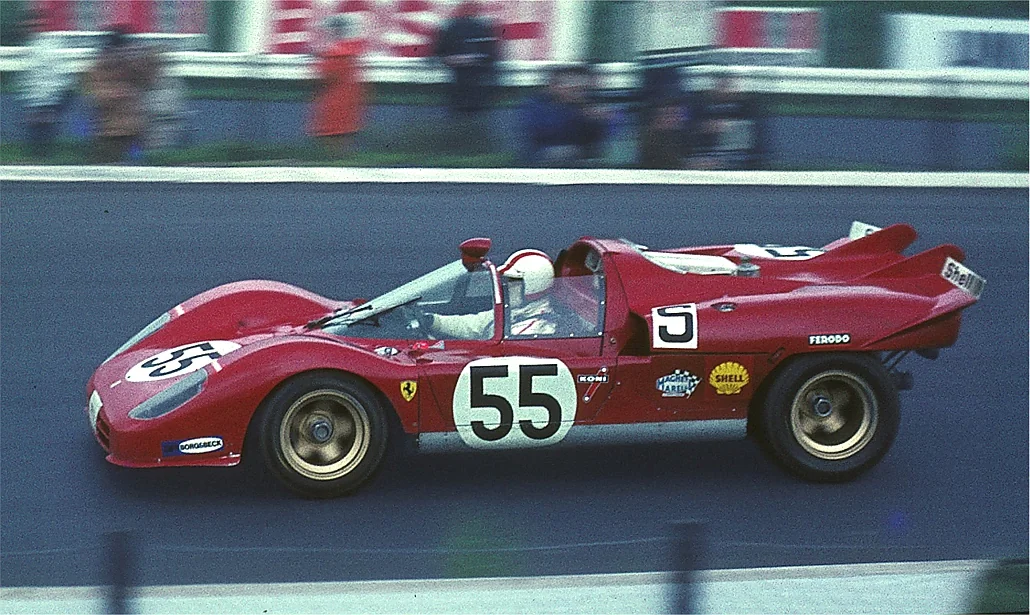
The Ferrari 512S Modulo is a concept car that turned heads when it debuted in 1970. Designed by Pininfarina, its sleek, futuristic shape looks like it’s from another world.
Equipped with a 5.0 L V12 engine, it churned out an impressive 550 hp. Weighing in at just 900 kg, this beauty combined style and performance effortlessly.
Even decades later, the Modulo remains a striking example of automotive design innovation, representing what was possible in the realm of speed and aesthetics. If you’re into unique cars, this one is definitely a must-see!
Audi Avus

The Audi Avus is a concept car that turned heads when it debuted in 1991. With its stunning aluminum body and futuristic design, it looked like something straight out of a sci-fi movie.
Powered by a W12 engine, the Avus could reach speeds of 0 to 60 mph in just 4.1 seconds. That kind of performance was impressive for its time.
Although it never made it to production, the Avus showcased Audi’s vision for lightweight construction and high performance. It remains a symbol of innovation in automotive design.
Porsche 928

The Porsche 928 made its debut in 1978 as a grand touring car, straying from the traditional Porsche design. With a V8 engine, it offered 240 horsepower and a top speed of around 150 mph.
You might find its sleek, aerodynamic shape striking, especially with that unique three-door layout. Many people now see it as a car that was well ahead of its time, blending luxury and performance in one package.
Its design influenced later models, making it a standout in automotive history. While often overshadowed by the 911, the 928 has developed a strong fan base over the years. Discover more about its impact here.
Lincoln C Concept
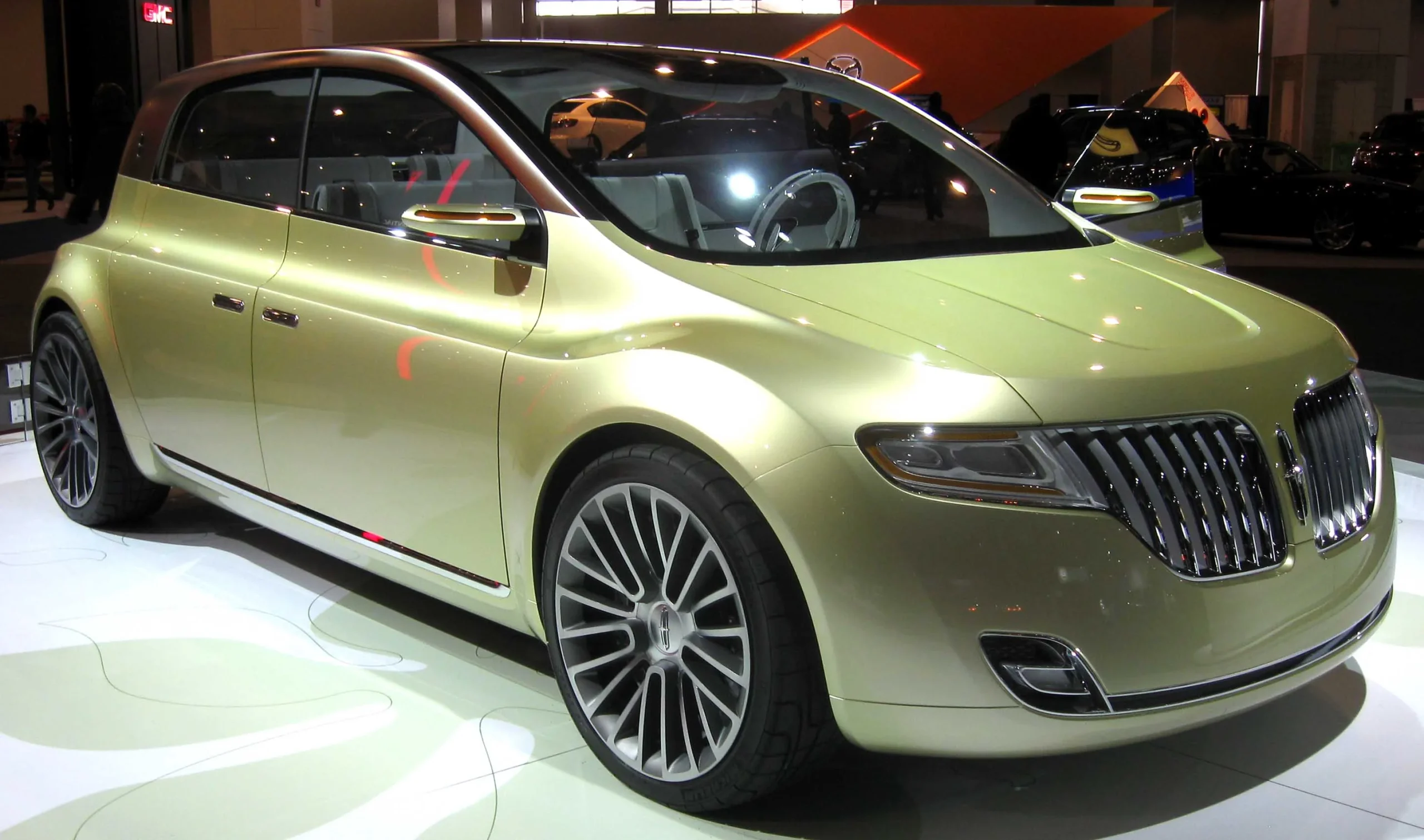
The Lincoln C Concept made its debut at the 2009 Detroit Auto Show. This compact luxury car aimed to redefine the brand’s image while catering to a younger audience.
With sleek lines and innovative features, it showcased what Lincoln could achieve in a smaller package. It represented a shift towards more efficient luxury, combining practicality with style.
The C Concept featured advanced technology, including a hybrid powertrain, making it eco-friendly. This model hinted at a new direction for Lincoln, suggesting that the brand could thrive in the compact segment while staying true to its luxury roots.
Soviet Union ZIL-112 Sports Coupe
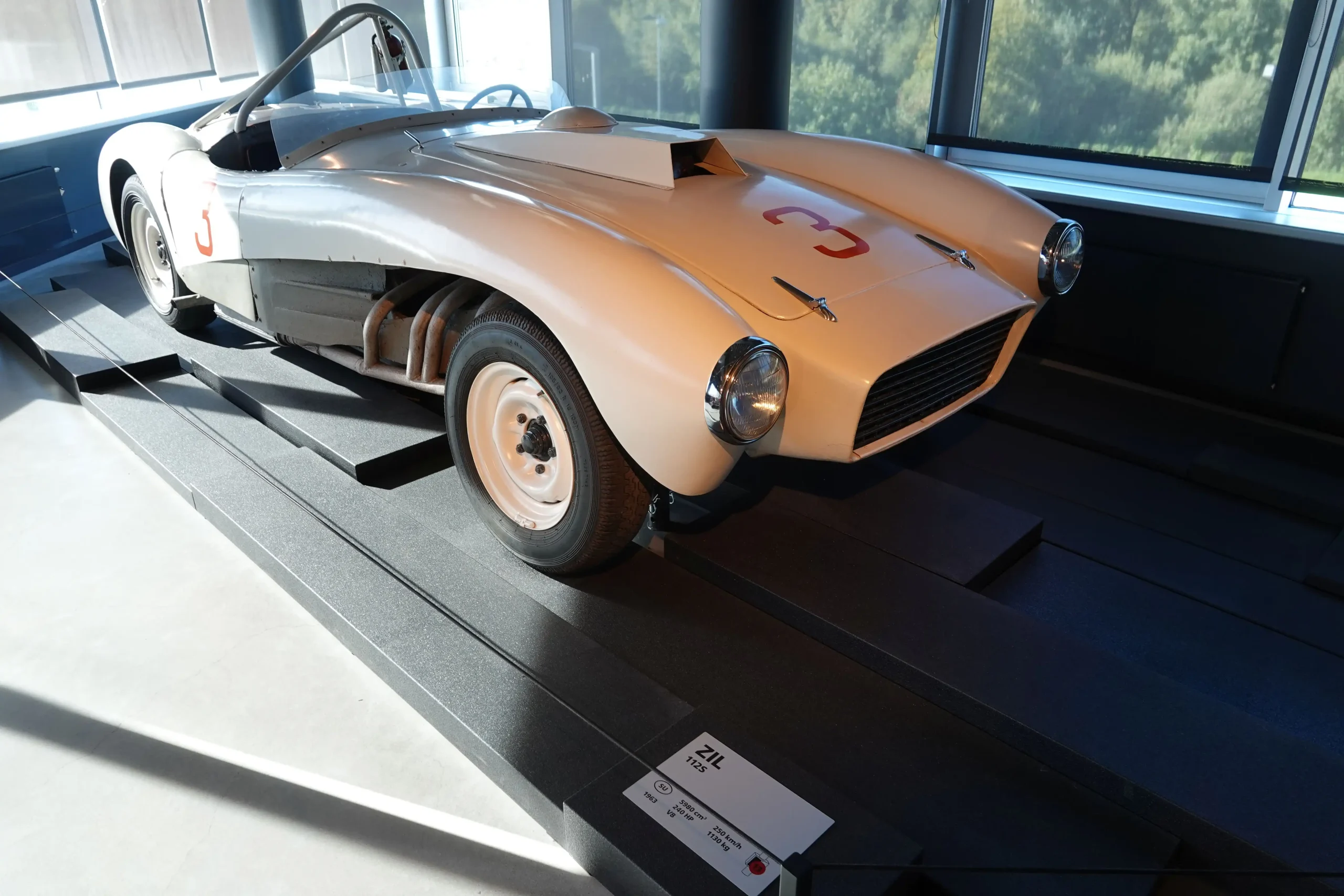
The ZIL-112 Sports Coupe stands out as a fascinating piece of automotive history. Designed in the early 1960s, this car was about 6 meters long and weighed just under 1,500 kg.
Under the hood, it packed a powerful 6.0 L inline-eight engine. This setup made it compete with some of the best sports cars of its time, showcasing advanced design concepts.
You’d likely appreciate its sleek lines and innovative engineering. The ZIL-112 wasn’t just a car; it represented a bold step into the world of performance vehicles during a time when the Soviet Union was exploring new horizons in automotive design. Check out more about these concepts in How A Limo Company Built The Soviet Union’s Wildest Sports Car.
Cadillac Cyclone
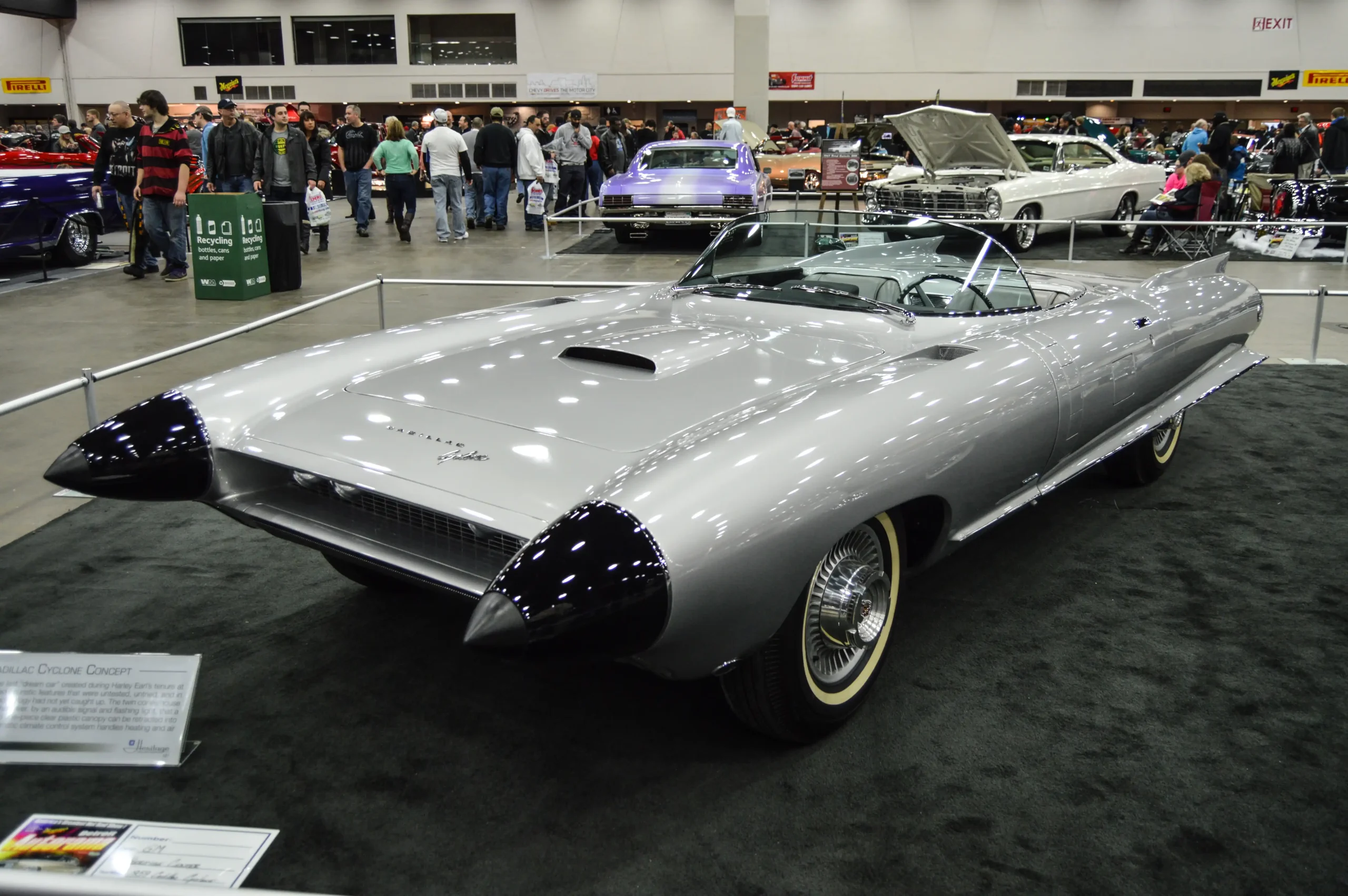
The Cadillac Cyclone is a fascinating piece of automotive design from 1959. This concept car showcased advanced features that seemed futuristic for its time.
With a sleek body and a unique design, the Cyclone was inspired by the space race. Its design included a retractable steering wheel and a dashboard filled with gadgets.
The vehicle was powered by a V8 engine, which generated impressive performance for the era. You can see its striking presence in videos like the one shared by DtRockstar1 at the 2018 Eyes On Design car show.
If you’re curious about its technical innovations, the Wikipedia page covers its features well.
Chevrolet Astro II

The Chevrolet Astro II, introduced in 1968, was a game-changer in the world of automotive design. This mid-engined concept car showcased what a Corvette could be, featuring sleek lines and futuristic aesthetics.
With its lightweight fiberglass body and a unique design, the Astro II grabbed attention at its debut. It was powered by a V8 engine, pushing the limits of performance while highlighting Chevy’s innovative spirit.
The design hints at the evolution of mid-engined Corvettes that you see today. The Astro II is a reminder of how visionaries in the ’60s imagined the future of sports cars.
Ford FX-Atmos

The Ford FX-Atmos is a striking concept car from 1954. It was designed with a futuristic look, featuring a glass canopy and seating for three.
Measuring 221 inches in length and built on a custom chassis, the FX-Atmos was all about bold design. It had aircraft-style fins that really showcased the jet age vibe.
While it caught the imagination, this car was never meant for the streets. It was purely a showpiece, highlighting Ford’s design vision for the future.
BMW Turbo
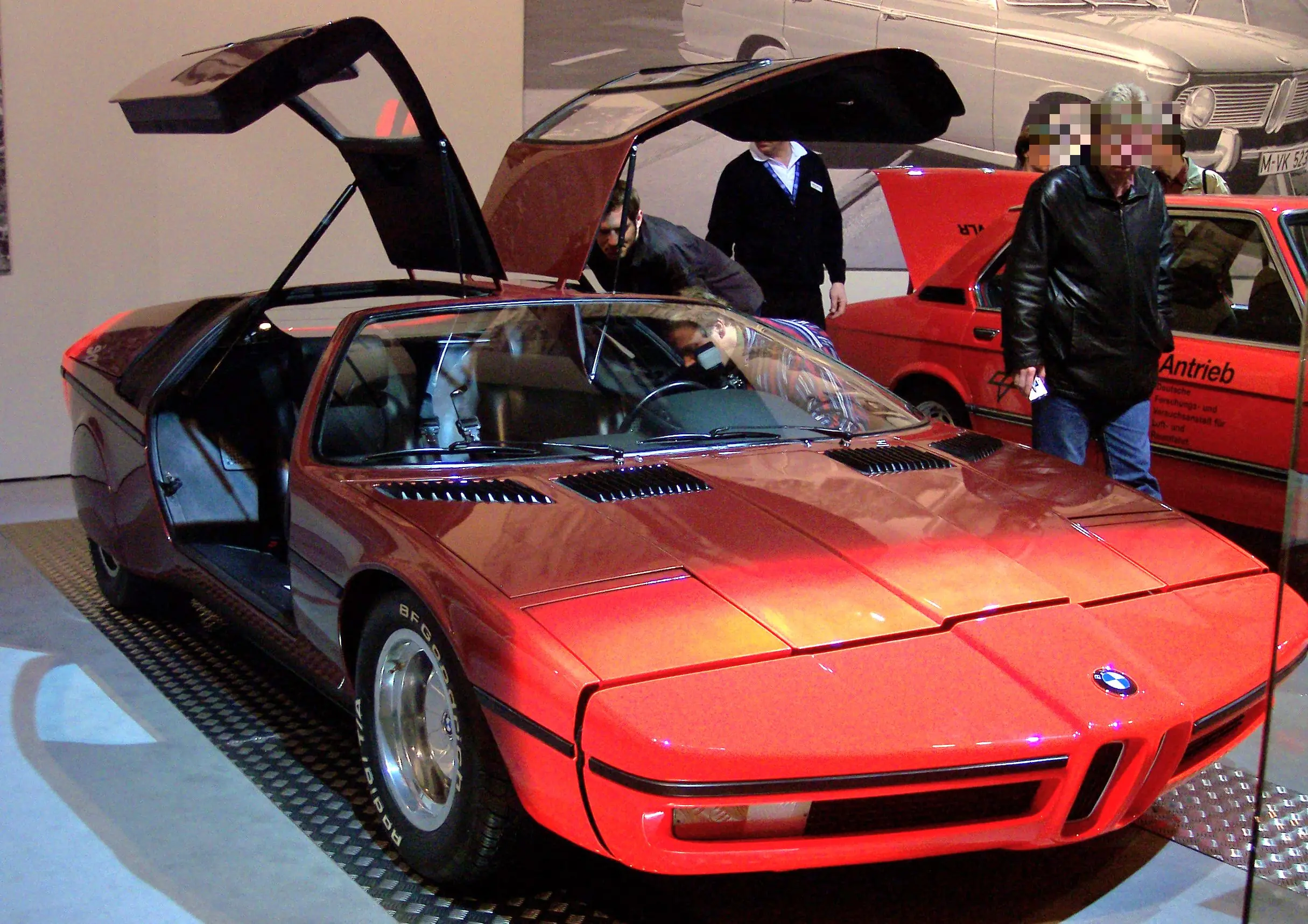
The BMW Turbo is a standout concept car that debuted in 1972. Its design was revolutionary, featuring sharp angles and a unique silhouette that turned heads.
Equipped with a 2.0-liter turbocharged engine, it produced around 200 horsepower. This was impressive for its time and showcased BMW’s drive towards performance.
The Turbo was more than just looks; it was a vision of the future. Its innovations paved the way for later models, making it a significant piece of automotive history. You can explore more details about its design and impact here.
Chrysler Atlantic

The Chrysler Atlantic is a standout concept car from 1995, designed by Bob Hubbach. This model takes inspiration from the elegant designs of 1930s French cars.
Under the hood, it features a unique straight-eight engine, a rarity at the time. With a capacity of four liters, this engine combined the mechanics of two Chrysler Neon 2.0-liter four-cylinders.
The Atlantic was a one-of-a-kind creation that drew attention for its retro beauty. Its sleek lines and classic styling make it a memorable piece of automotive history.
Renault Espace F1

The Renault Espace F1 is a wild blend of minivan and race car, designed to celebrate the 10th anniversary of the original Espace. Unveiled in 1994, it features a 3.5-liter Renault RS5 V10 engine that pumps out an impressive 800 horsepower.
Built on the chassis of a Formula 1 car, the Espace F1 shocks with its speed. The concept was created as a playful take on family vehicles, proving that practicality doesn’t have to be boring. Only two were ever made, making it a rare gem in automotive history.
Jaguar C-X75
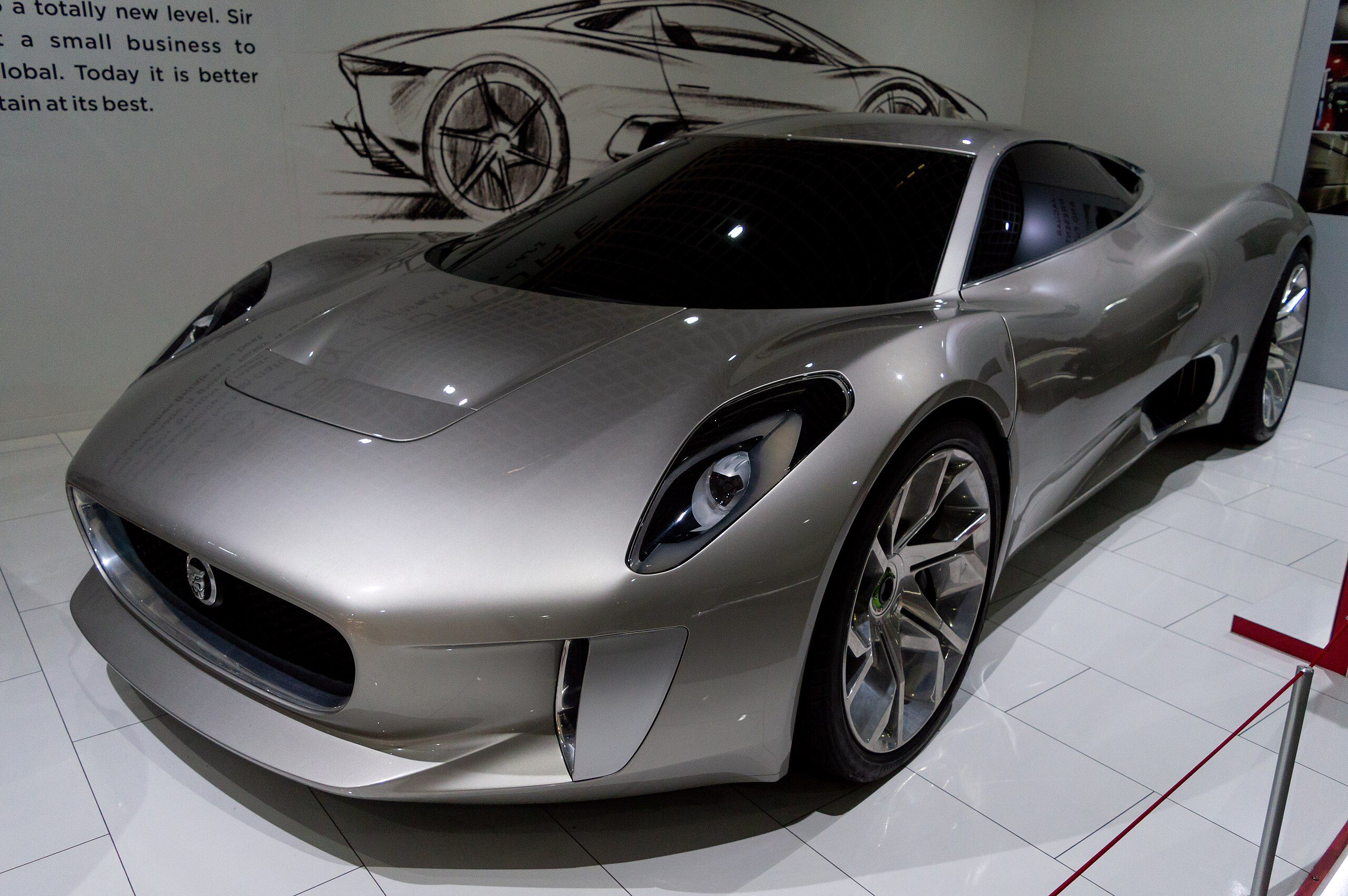
The Jaguar C-X75 is a stunning concept car that really pushed the envelope when it debuted in 2010. With a hybrid powertrain boasting a 1.6-liter turbocharged engine, it generated around 500 horsepower.
What truly sets it apart is its incredible design, inspired by the classic XJ13, which makes it instantly recognizable. You’d appreciate the combination of innovation and style, as its engineering was ahead of its time.
Though it never went into full production, the C-X75’s influence can still be seen in Jaguar’s future designs, making it a true icon in automotive history. The vehicle remains a favorite among car enthusiasts and collectors alike.
Mazda Furai
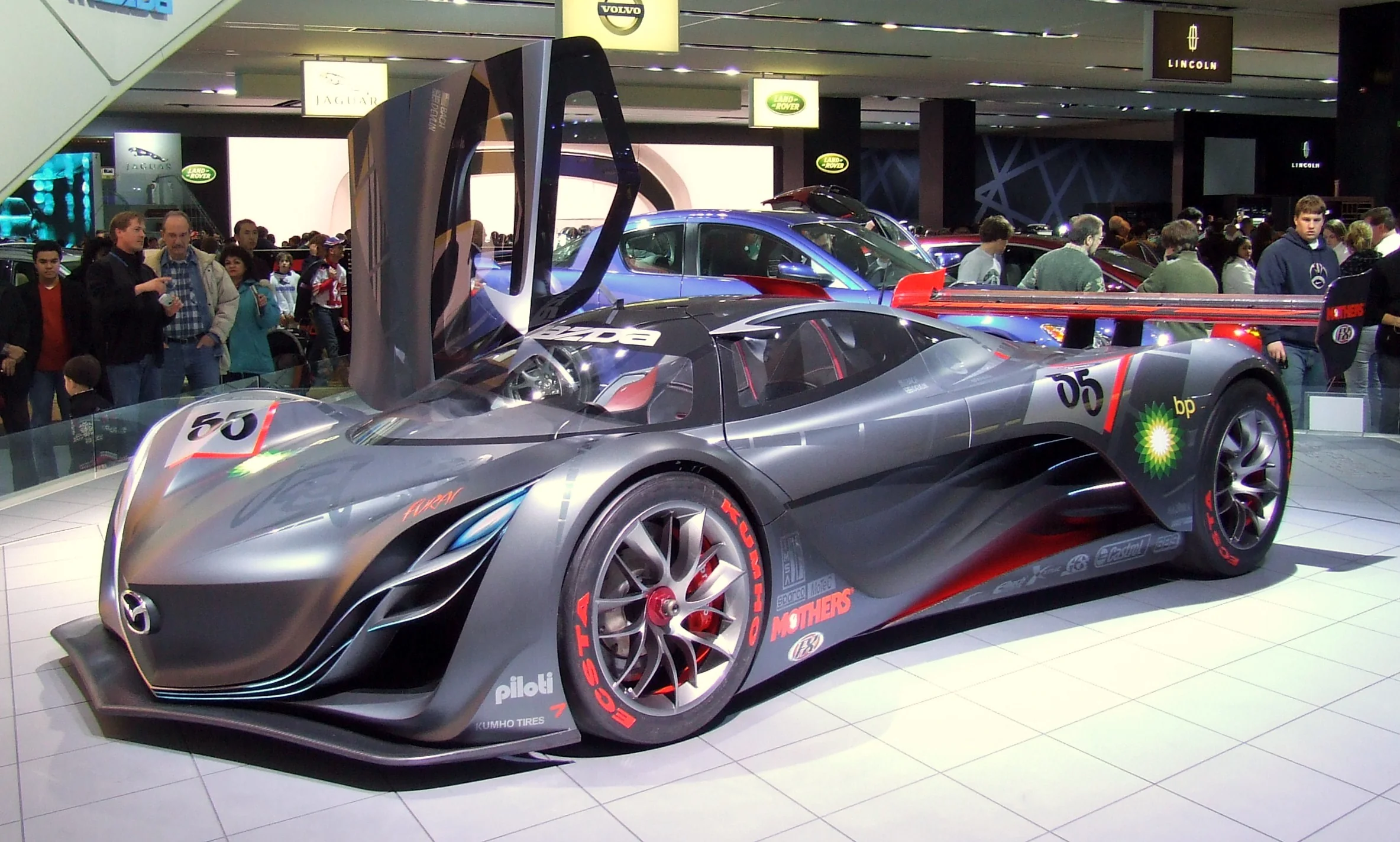
The Mazda Furai is a concept car that debuted in 2008, showcasing Mazda’s Nagare design language. With a design that looks like it could race right off the showroom floor, it was a standout.
This unique model featured a powerful 450-horsepower rotary engine. It was built on a race car chassis, emphasizing performance and speed over practicality.
The Furai was only in production for a short time before it was destroyed in an accident, leaving behind a legacy of innovation and style. You could say it was a glimpse into the future of automotive design.
Toyota FT-HS
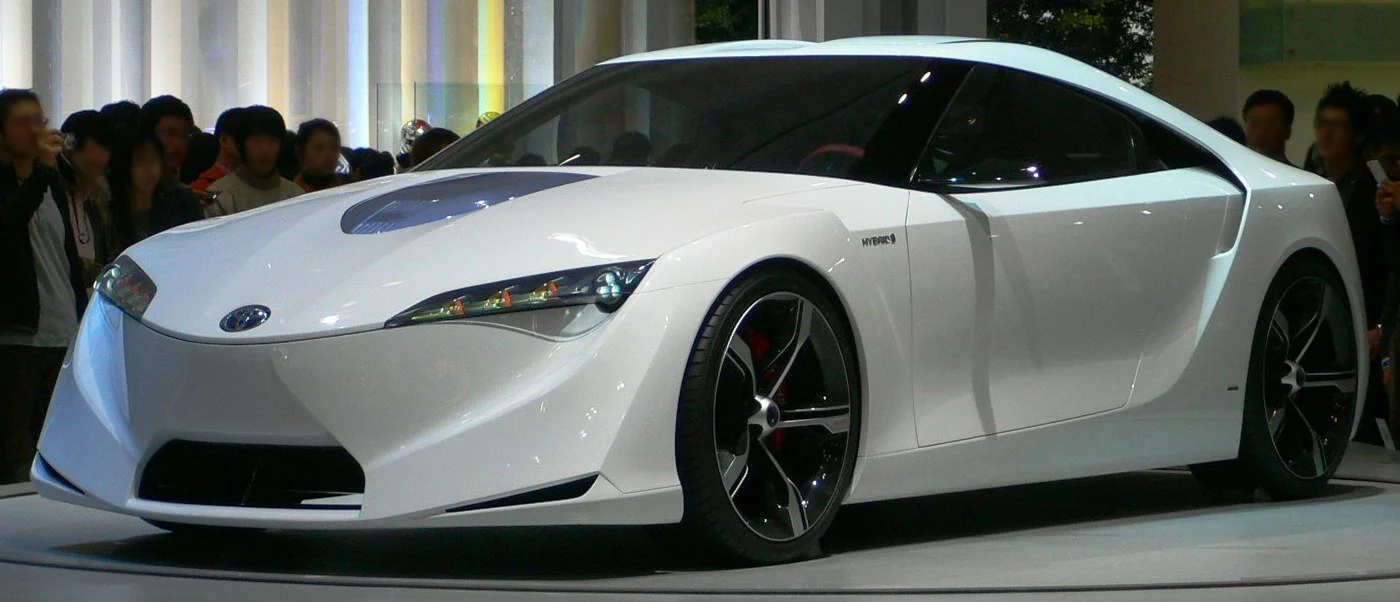
The Toyota FT-HS is a concept car that really stands out. Designed as a sustainable sports car, it features a rear-wheel-drive layout and a hybrid V6 engine.
This beauty can go from zero to 60 mph in under five seconds. It perfectly fuses performance with efficiency, showcasing what sports cars could become in the future.
With its sleek design and innovative technology, the FT-HS definitely turned heads when it was unveiled. It’s a prime example of Toyota’s commitment to eco-friendly performance.