

Ever been to a car dealership for a routine maintenance check and felt like you just wandered into a foreign land? You’re not alone. It’s like they’re speaking a different language, and suddenly, you’re questioning if you really need that new air filter or if the sky is actually falling. The truth is, there’s a lot about routine maintenance that dealers don’t always lay out in plain English. So let’s unpack some of those hidden gems of wisdom.
Understanding the Basics
First off, let’s chat about what routine maintenance even means. It’s not just some fancy term tossed around to make you feel like your car needs a spa day—it’s about keeping your vehicle running smoothly and preventing bigger issues down the line. Things like oil changes, tire rotations, and brake checks are all part of the deal. But here’s the kicker: not all maintenance is created equal. Some things are more crucial than others, and dealers might not always tell you that.
Oil Changes: A Necessary Evil
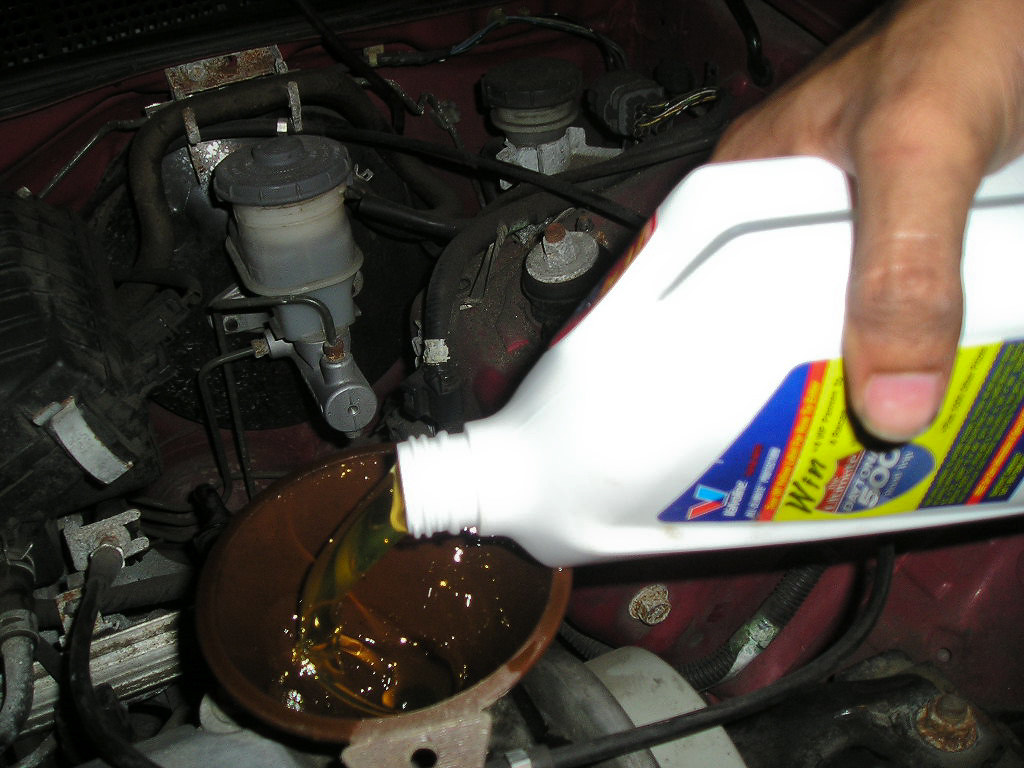
Let’s start with oil changes. Most dealers will recommend you change your oil every 3,000 miles or so. But here’s where it gets a bit murky. Thanks to advances in oil technology, many modern engines can go 5,000 to 7,500 miles between changes. So, if your dealer is pushing for that 3,000-mile mark, it might be time to pop on your skeptical hat. Do your research based on your car’s make and model, and don’t be afraid to ask questions. It’s your car, after all!
The Tire Rotation Conundrum
Next up, tire rotations. These are often recommended every 6,000 to 8,000 miles, but what dealers might not tell you is that the need for rotation can depend on your driving habits. If you’re a highway warrior, you might be able to stretch that out a bit. On the flip side, if you’re hitting every pothole in town, your tires might need some extra love sooner. Keeping an eye on your tread wear can save you a nice chunk of change in the long run. Plus, who doesn’t want to show off a nice set of tires?
Brakes: The Unsung Heroes
Now, let’s talk brakes. They’re literally the stop sign of your car’s performance! Dealers often suggest a brake inspection during routine maintenance, but be sure to ask how often you really need those pads replaced. Depending on your driving style, you might find you can go longer than the dealer recommends. A little proactive inspection can save you from that heart-stopping moment when you realize it’s time for new brakes—right before you hit the highway.
The Air Filter Mystery
Ah, the air filter. This little guy is often tossed into the conversation during service calls, and dealers may suggest replacing it more frequently than necessary. While it’s important for your engine’s health, you might not need to swap it out every time you get an oil change. Consider checking it yourself or having a trusted mechanic take a look. A little DIY spirit can go a long way—who knows, you might even impress your friends with your newfound car knowledge!
Fluids: The Lifeblood of Your Car
And let’s not forget about the fluids! You’ve got oil, coolant, brake fluid, and transmission fluid, just to name a few. Dealers love to emphasize checking and replacing these, but they might not explain that some of these fluids can last longer than others. For instance, transmission fluid can often go for quite a while without needing a change. Understanding what each fluid does and how often they really need attention can save you both time and money.
The Importance of Keeping Records
Here’s a pro tip: keep a maintenance log. It’s like a diary for your car, and it can help you track what’s been done and when. This way, when you visit the dealer, you can have a clear picture of what your car needs, and you won’t be swayed by their recommendations alone. Plus, it gives you some serious car-owner credibility. “Oh, you replaced the wiper blades last year? What a responsible car parent you are!”
Ask Questions, Lots of Questions
Finally, don’t be afraid to ask questions! It might feel awkward at first, but dealers are there to help you understand your vehicle. If something sounds fishy, speak up! A good dealer will take the time to explain things to you. If they don’t, maybe it’s time to consider finding a new shop. After all, you deserve to be informed about what’s happening under your hood.
Wrapping It Up
Routine maintenance doesn’t have to feel like navigating a maze blindfolded. With a little knowledge and a dash of curiosity, you can approach your dealer with confidence. Remember, it’s your car, and you have every right to know what’s going on with it.
More from Steel Horse Rides: