
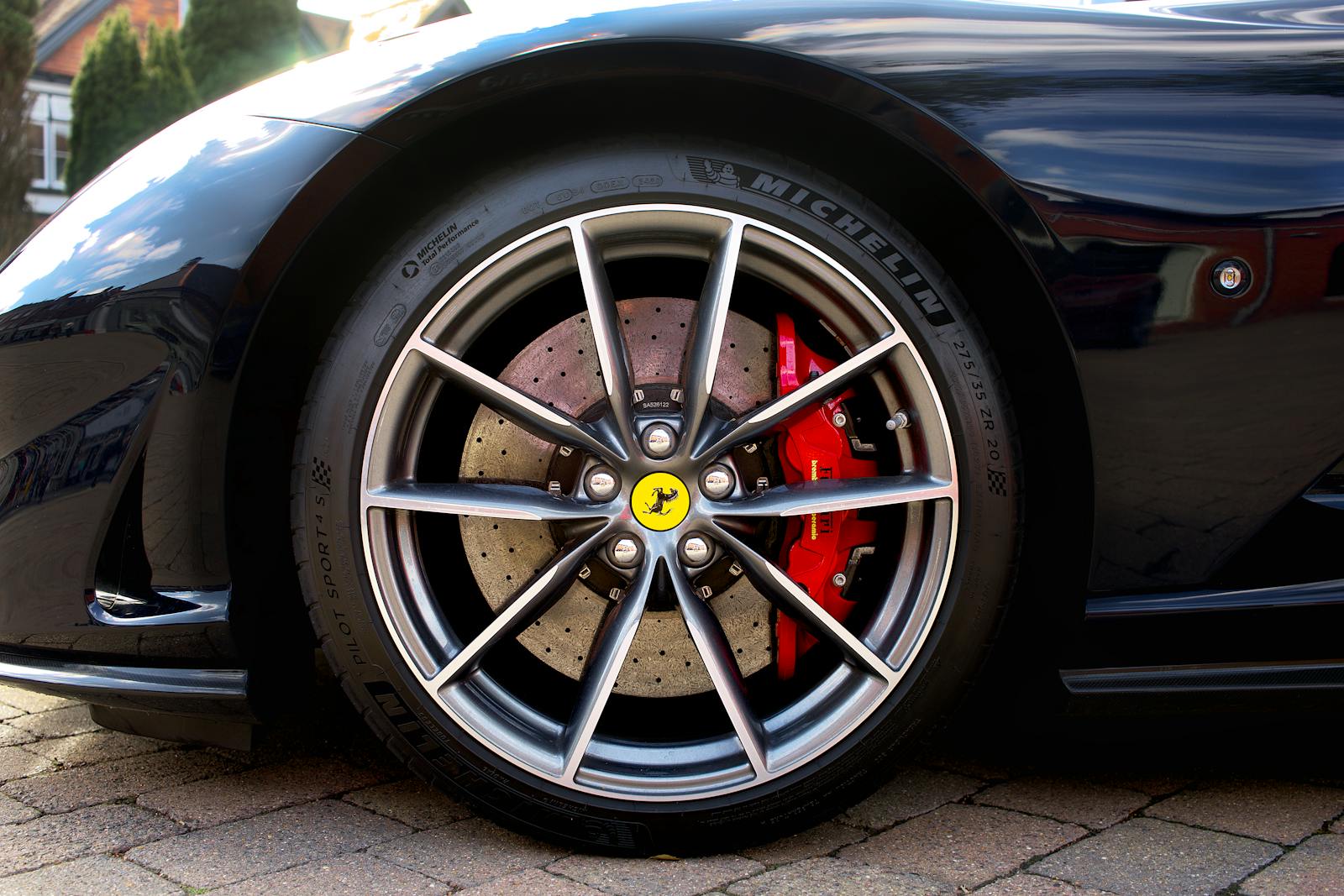

Let’s talk brakes. You know, that crucial system in your car that keeps you from becoming a fast-moving projectile at the slightest tap on the pedal. But here’s the thing: some brake components are swapped out way more often than they actually need to be. Ever wonder what those parts are? Let’s chat about five of them, so you can be a little more informed when you hear, “You need to replace this.”
1. Brake Pads
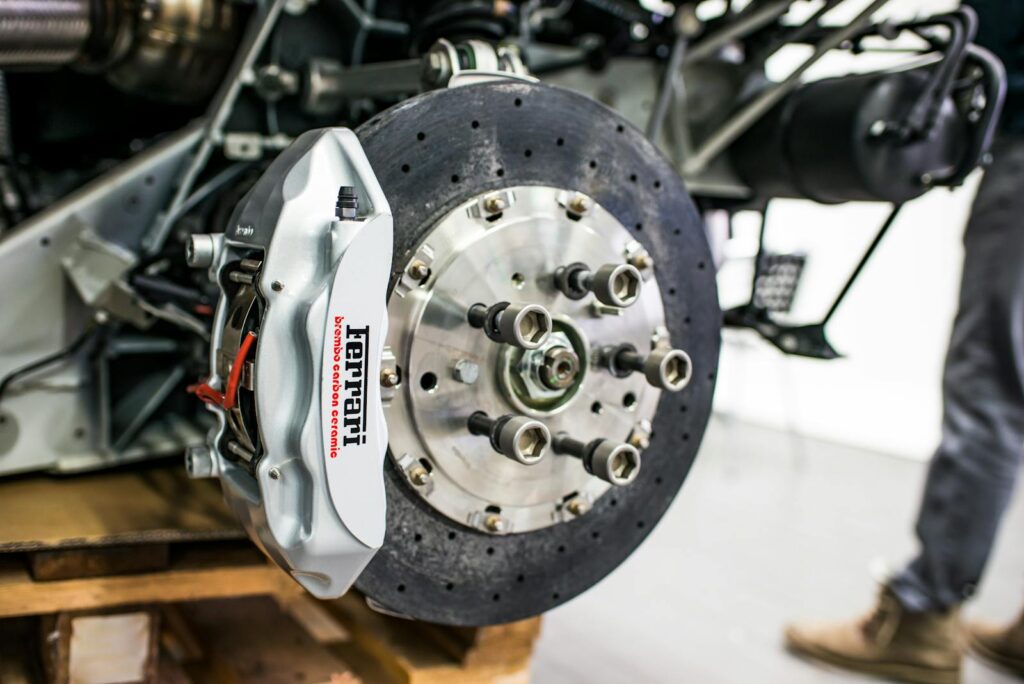
Ah, brake pads—the classic go-to replacement for mechanics. They wear down over time, and while it’s true they do need to be replaced periodically, many folks get a little too eager to toss them out. If you’re driving a car that’s not a race car and you’re not riding the brake like you’re trying to win a game of chicken, your brake pads might actually last longer than you think—sometimes up to 50,000 miles! So, before you let a mechanic sell you on new pads, ask how much wear is really on your current set.
2. Brake Rotors
Next up, we have brake rotors. These circular metal discs can sound like they’re auditioning for a horror movie when they start to warp or wear unevenly, but that doesn’t mean they need replacing every time you change the pads. Some mechanics might recommend a rotor swap just to pad their bills, but if they’re still within spec, a simple resurfacing could do the trick. Think of it as giving your rotors a little spa day instead of throwing them out with the bathwater!
3. Brake Fluid
Raise your hand if you think brake fluid is a “one and done” deal. Yeah, me too! But here’s the kicker: brake fluid actually needs changing more often than most of us realize. It’s hygroscopic, which means it absorbs moisture from the air over time. But is it really a necessity to replace it every six months? Not necessarily. Every couple of years is usually enough unless you’re driving in extreme conditions or notice your pedal feeling a bit spongy. So, don’t let mechanics trick you into paying for fluid changes like they’re going out of style.
4. Brake Lines
Brake lines are like the unsung heroes of your car’s braking system. They carry that precious brake fluid from the master cylinder to the calipers. While it’s good practice to keep an eye on them, they don’t need to be replaced just because a mechanic thinks they look a little crusty. Unless you see visible leaks or corrosion, those lines can often last for the life of the vehicle. It’s like your grandma’s old couch—just because it looks a bit worn doesn’t mean it’s time for a new one!
5. Calipers
Finally, we have brake calipers. They’re the parts that squeeze the brake pads against the rotors to slow you down. While they can fail due to wear and tear, it’s not as common as you might think. Many mechanics might suggest replacing them if they’re not moving smoothly or seem to stick, but often, a good cleaning or lubrication can restore their functionality. So, before you let someone sell you on new calipers, it’s worth asking if there’s a less expensive fix.
Trust But Verify
So, what’s the takeaway here? It’s all about striking a balance between safety and cost. Sure, you don’t want to skimp on anything that could jeopardize your safety on the road, but you also don’t want to throw money at parts just because a mechanic suggests it. Always ask questions, seek a second opinion if you’re unsure, and do a little research. Think of it as being your car’s own advocate!
At the end of the day, your car’s brakes are crucial, and keeping them in good shape is non-negotiable. Just remember: not every worn-out part needs to be replaced immediately. Sometimes, a little TLC is all they really need. So the next time you’re in for a brake check, channel your inner detective—dig a little deeper before you sign off on that repair bill. Your wallet will thank you!
More from Steel Horse Rides: