
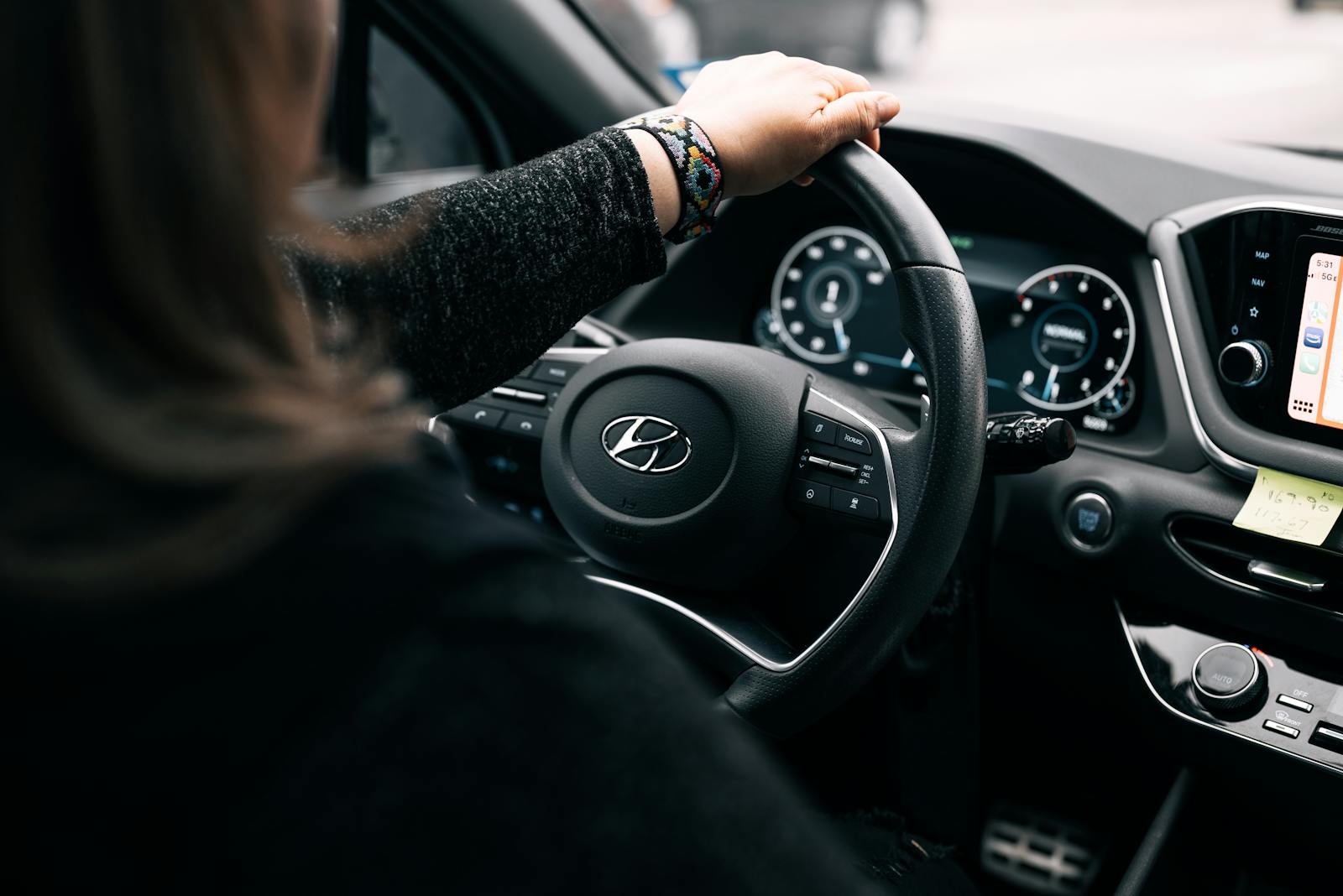

Drivers count on their dashboards for the basics: how fast they are going, whether the engine is overheating, if the airbags are ready to fire. So when that entire display can suddenly go dark, it is not a minor glitch, it is a safety problem that can leave people effectively driving without key information. That is the risk now hanging over more than 84,000 Kia and Hyundai vehicles in the United States, after the companies acknowledged a defect in their digital instrument panels.
The recall covers a mix of popular SUVs, sedans, minivans and electric models from the 2025 and 2026 model years, many of them barely off dealer lots. Owners are being told the fix is a software update, but until that happens, the possibility of a blank screen at highway speeds is understandably rattling drivers who thought new tech would make their cars safer, not more fragile.
What is going wrong with the digital dashboards
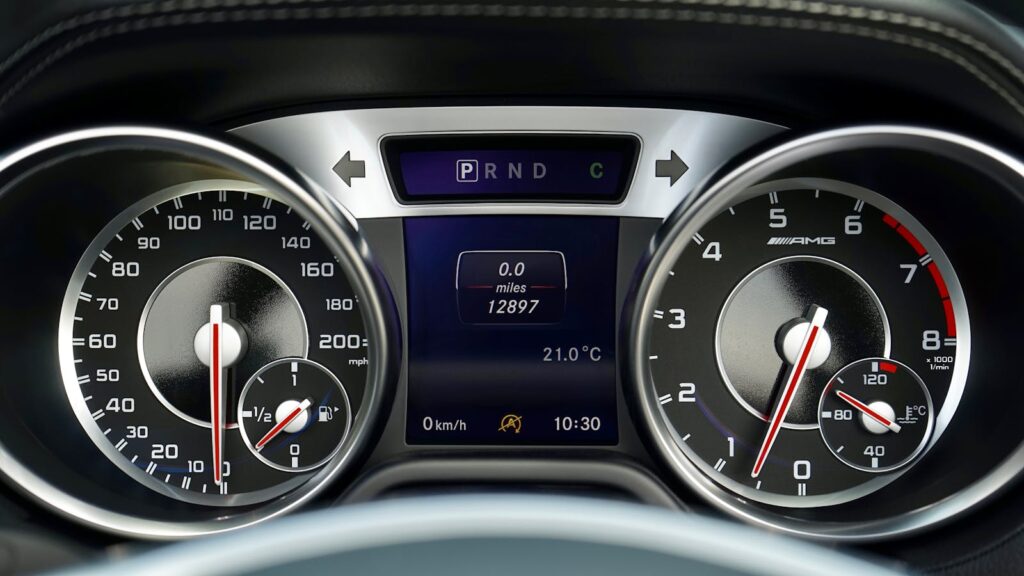
At the heart of the problem is the instrument cluster, the digital screen that replaces old-school analog gauges in many newer cars. In the affected Kia and Hyundai vehicles, that cluster can suddenly shut down, taking the speedometer, warning lights and other key readouts with it. Regulators say that when the instrument panel is inoperative, the risk of a crash goes up because drivers lose real-time feedback about their speed and the health of critical systems, a concern that is spelled out in recall filings tied to More.
Kia has told regulators that the instrument panel “may unnecessarily enter” a shutdown state because of an issue in the instrument cluster’s power management circuit, a flaw that can leave the screen blank even though the rest of the vehicle is still running. That description appears in safety documents that explain how the glitch can surface without warning, a point echoed in language that begins, “When the instrument panel is inoperative, the risk of a crash is increased.” For drivers, the technical explanation matters less than the practical reality: one moment the dash is fine, the next it is gone.
How many cars are affected and which models are on the list
All told, more than 84,000 K, or more precisely more than 84,000 Kia and Hyundai vehicles, are being pulled back for repairs in the United States. The recall includes 41,651 Hyundai models, a figure that appears in both federal filings and independent tallies of the affected fleet, and that same number, 41,651, is cited again in coverage of how More than 84,000 Kia and Hyundai vehicles have been recalled because the instrument panels may fail.
The Kia side of the recall sweeps in a broad lineup. The Kias are 2026 Carnival, Carnival Hybrid, EV9, K4, K5, Sportage, Sportage Hybrid and Sportage PHEV and 2025-2026 Sorento models, a roster spelled out in safety notices that group these vehicles together as sharing the same vulnerable cluster hardware and software. That list, which begins with the phrase “The Kias” and name-checks Carnival, Carnival Hybrid, Sportage, Sportage Hybrid and Sportage PHEV and Sorento, is detailed in recall information that also directs owners to check their Vehicle Identification Number at The Kias section of the campaign.
What Hyundai and Kia are telling regulators and drivers
Hyundai and Kia Recall Over 84,000 Vehicles in USA for Instrument Cluster Display Malfunction, according to filings with federal safety officials that describe how the companies are handling the defect. In those documents, the automakers explain that the issue will be fixed through a software update at dealerships, and that owners will be notified and asked to schedule a visit, a process summarized in recall notices that begin with the phrase “According to” and outline how Hyundai and Kia have confirmed that the issue will be addressed.
On the Hyundai side, the company is recalling 41,651 vehicles in total and says all of them are potentially affected, a figure that appears in technical summaries of how the digital dashboards may suddenly die while driving. Those same documents describe a wide mix of 2026 models and note that a separate recall filed by Hyundai will involve a dealer visit to install updated software, details that are laid out in coverage of how Hyundai is handling the digital cluster glitch.
Why regulators are watching closely
Federal safety regulators are not treating this as a quirky tech bug. The National Highway Traffic Safety Administration has long warned that loss of critical driver information can be as dangerous as a mechanical failure, and the agency’s recall database now includes the Kia and Hyundai campaigns among other electronic display problems. Owners can plug their VIN into the official recalls portal to see if their specific vehicle is covered.
Regulators have also taken note that this is not just a U.S. issue. The Kia Corporation ultimately decided on recalling all potentially affected vehicles in South Korea on January 19, 2026, a move that shows the company is dealing with the same instrument panel display failure in its home market. Based on internal investigations, that overseas action covers models like the Sportage from November 17, 2025, according to technical summaries that describe how The Kia Corporation expanded its response.
What owners should do right now
For drivers who suddenly find themselves wondering if their new SUV or minivan might go dark on the highway, the first step is to confirm whether the vehicle is part of the recall. Owners of Kia and Hyundai models can search their VINs through the federal database and through brand-specific tools referenced in recall notices, including guidance that points Kia drivers to check their Vehicle Identification Number at nhtsa.gov in the same documents that list The Kias, Carnival, Carnival Hybrid, Sportage, Sportage Hybrid and Sportage PHEV and Sorento as affected, a process described in more detail in the section of the recall that begins with “The Kias” and is linked through Sorento.
Once a vehicle is confirmed as part of the campaign, the fix is straightforward, even if the stakes are not. Because of the defect, the instrument panel may fail, meaning that displays like the speedometer or warning lights can disappear without warning, a risk spelled out in safety language that starts with “Because of” and explains how the problem affects 2025 and 2026 model years. Owners are being told that dealers will install updated software at no cost, a remedy described in notices that urge drivers to respond promptly and that are summarized in coverage that begins with the word “Subscribe” and details how the defect in 84,000 Kia and Hyundai vehicles could leave drivers blind, information that can be found in the section labeled Subscribe.
Until that software update is installed, safety experts say drivers should treat any flicker or odd behavior in the digital cluster as a warning sign and schedule service quickly. Some owners may be tempted to shrug off a brief blackout if the screen comes back, but the recall language is clear that the underlying fault can reappear, and that is why Hyundai, Kia Recall Over 84,000 Vehicles in USA for Instrument Cluster Display Malfunction and why Hyundai is recalling 41,651 vehicles in total and says all of them are potentially affected, details that are reiterated in summaries of how Kia Recall Over 84,000 Vehicles in USA for Instrument Cluster Display Malfunction and in reports on how digital dashboards may suddenly die while driving.
More from Wilder Media Group: