

So, you’re cruising down the road, enjoying your favorite playlist, when suddenly, that dreaded check engine light flickers to life on your dashboard. Ugh, right? If you’re like most people, your heart might skip a beat as you wonder what’s gone wrong this time. But before you panic and start imagining the worst, let’s chat about something that might be causing your light to glow: aftermarket parts. Yep, those shiny gadgets and gizmos you thought would enhance your ride could actually be the culprits. Here are five common ones that can trigger that pesky light.
1. Oxygen Sensors
First up, let’s talk about oxygen sensors. These little devices monitor the air-fuel mixture in your engine, ensuring everything runs smoothly and efficiently. If you’ve replaced your OEM (original equipment manufacturer) sensor with an aftermarket version, it might not be calibrated quite right. An ill-fitting sensor can throw off the readings and trigger that annoying check engine light. It’s like trying to fit a square peg into a round hole; it just won’t work as intended!
2. Cold Air Intakes
Ah, cold air intakes. The shiny, eye-catching upgrades that promise to give your engine a little pep. They can indeed improve performance and sound fantastic, but they can also lead to some check engine light drama. Many aftermarket intakes come with sensors that may not sync well with your vehicle’s computer. If the sensor readings are off, you guessed it — the check engine light makes its grand return. It’s like throwing a party without sending out invites; your car’s computer gets confused and starts flashing lights like it’s disco night!
3. Exhaust Systems
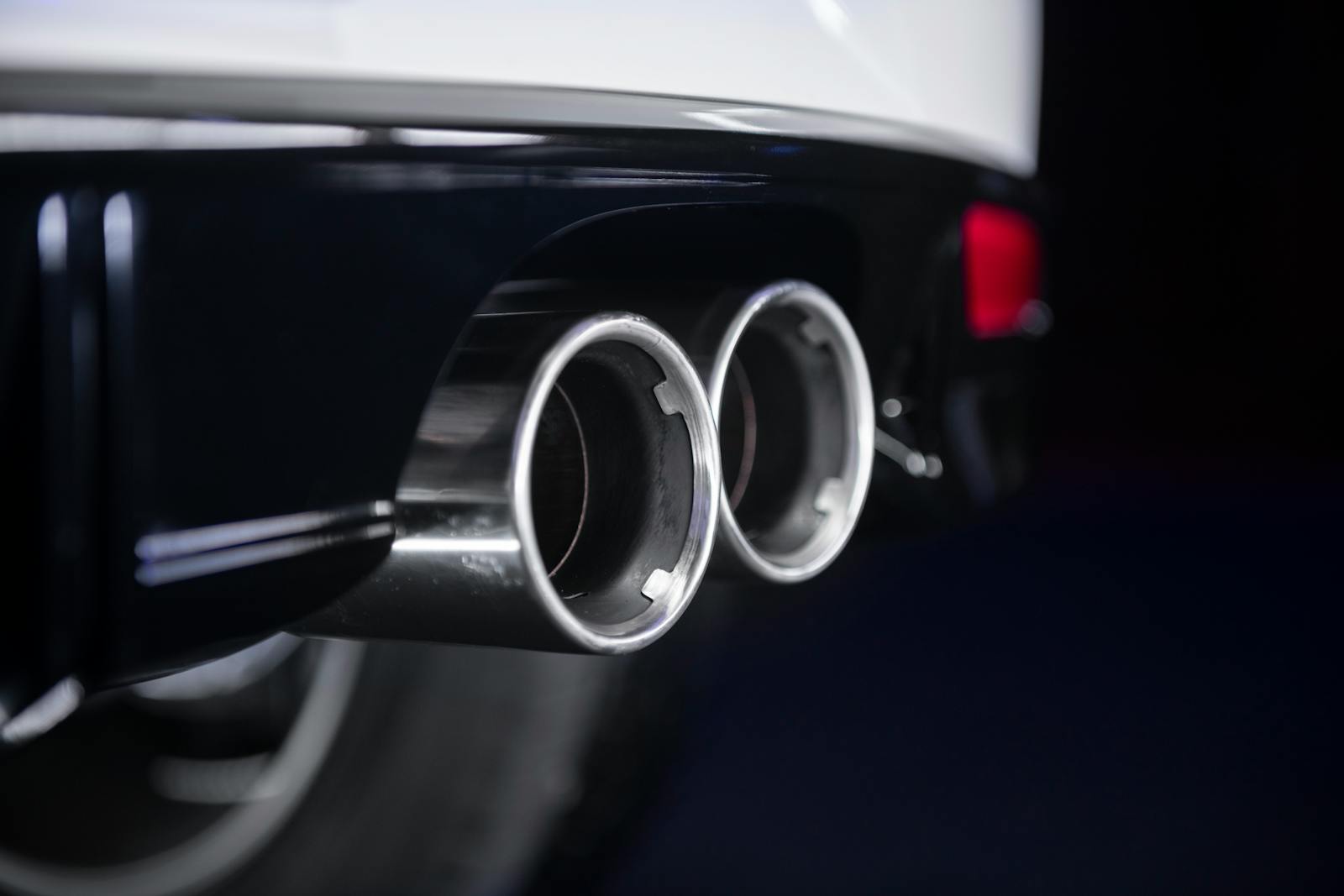
Next on our list is aftermarket exhaust systems. You might want that throaty growl that screams, “Look at me!” But sometimes, these systems can mess with your car’s emissions readings. If the exhaust isn’t designed to work with your vehicle’s specific setup, it could cause a misreading of the engine’s performance metrics, leading to a check engine light that feels like it’s judging your life choices. So, while you’re enjoying that sweet sound, keep an eye on your dashboard — it might just have something to say!
4. Fuel Injectors
Fuel injectors are vital for delivering the right amount of fuel to your engine. If you’ve opted for aftermarket injectors, you might be in for a surprise. These parts sometimes don’t match the flow rate of the OEM injectors, which can lead to either too much or too little fuel being sprayed into your engine. This imbalance can trigger the check engine light, leaving you scratching your head. Think of it like trying to pour a cup of coffee with a mismatched lid; it just doesn’t work smoothly!
5. Spark Plugs
Finally, let’s chat about spark plugs. They’re essential for igniting the fuel-air mixture in your engine. While aftermarket spark plugs can sometimes offer performance benefits, they can also lead to issues if they’re not the right fit for your ride. Some may not perform well at higher temperatures or may not match your engine’s specifications, leading to misfires and, you guessed it, that ominous check engine light. It’s like bringing a spoon to a knife fight; you’re just not equipped for the task at hand!
What to Do If Your Light Comes On
If your check engine light decides to join the party, don’t just ignore it! First, check your gas cap — a loose or damaged cap is a surprisingly common culprit and can trigger the light. If that’s not the issue, consider heading to a trusted mechanic or using an OBD-II scanner for a quick diagnosis. They can help you determine if that shiny new part is causing the problem.
Remember, aftermarket parts can be a great way to customize and enhance your vehicle, but it’s essential to choose wisely. Do your homework, read reviews, and maybe even consult with a pro before diving into that shiny upgrade. After all, you want your ride to be as smooth as your favorite coffee brew!
Wrapping It Up
In the world of car modifications, it’s easy to get swept up in the excitement of new parts and performance improvements. Just keep in mind that not all aftermarket products are created equal, and some may lead to unexpected surprises, like a check engine light that’s just too eager to shine. So, the next time you think about upgrading, take a moment to consider how it might affect your vehicle’s performance and health. Happy driving, and may your dashboard lights remain happily off!
More from Steel Horse Rides: