

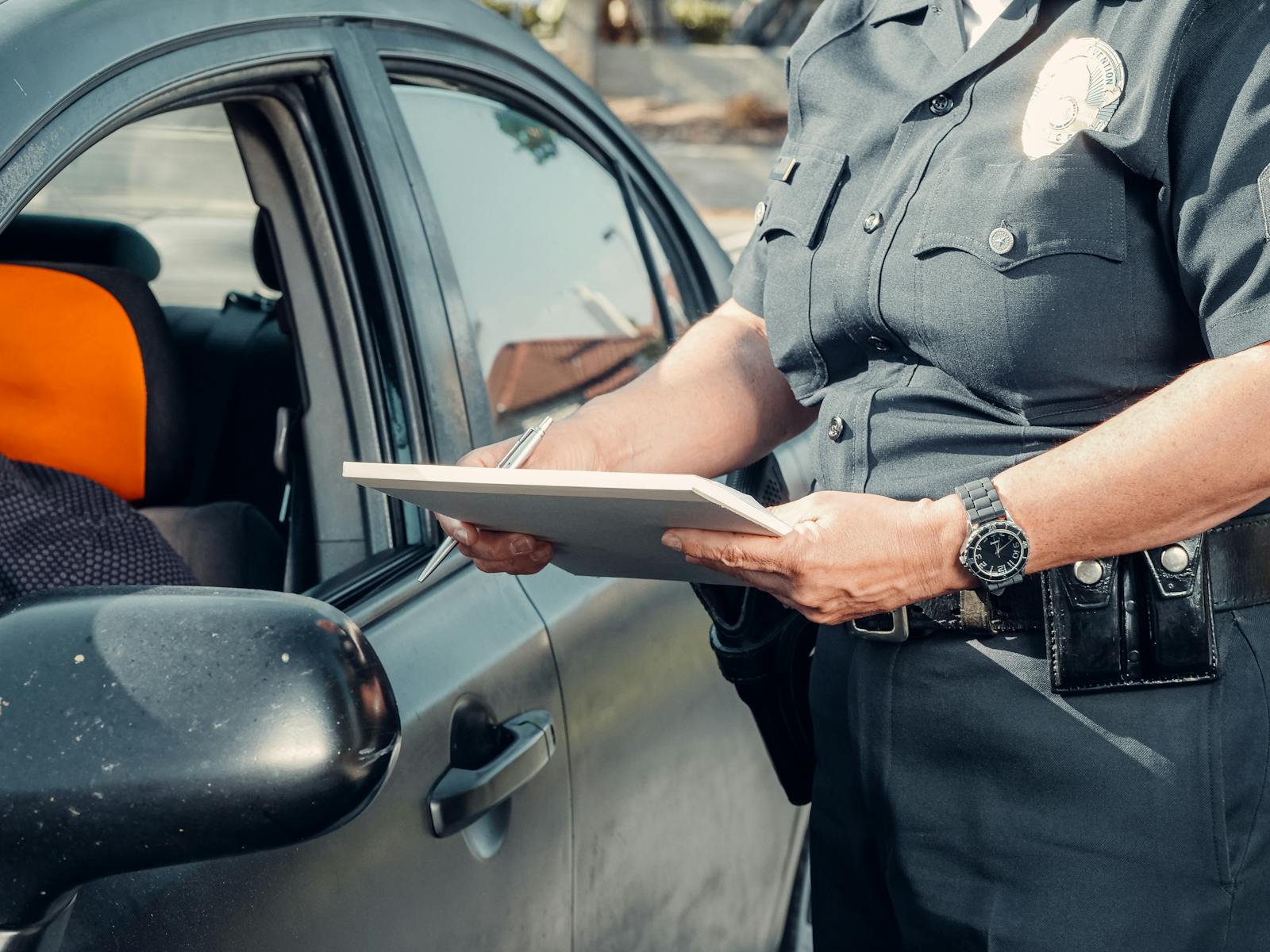
Ever been pulled over and thought, “What on earth do they want me to do?” You’re not alone! Driving can sometimes feel like you’re in a game with secret rules, especially when it comes to what police expect from you. It’s not that they’re trying to be secretive; it’s just that the unwritten rules of the road get lost in the shuffle. So, let’s chat about some of those expectations that might surprise you. You might even find yourself nodding in agreement!
1. Pulling Over Safely
When those lights flash behind you, your immediate instinct is to pull over. But here’s where the first challenge comes in. Police expect you to find a safe spot to stop, but they rarely explain what that means. Is it the nearest parking lot? An empty stretch of road? Or just the side of the highway?
Ideally, you want to find a well-lit area where you won’t block traffic or pose a danger to yourself or others. If you’re on a busy highway, it’s often best to slow down and look for a safe place, even if it’s a little further down the road. Remember, you can also use your turn signal to indicate you’re pulling over. This little gesture can go a long way in showing the officer you’re complying and being responsible.
2. Keeping Your Hands Visible
Picture this: you’re sitting in your car, the officer approaches, and you’re instantly reminded of a scene from a movie. But this isn’t Hollywood; it’s real life. Police expect you to keep your hands on the steering wheel. Why? It’s all about safety for both you and the officer. They want to see your hands, so they know you’re not reaching for something you shouldn’t be.
But here’s the catch—they often don’t tell you this! So, if you ever find yourself in a traffic stop, just keep your hands where they can see them. It helps put everyone at ease and sets a cooperative tone right off the bat.
3. Being Prepared with Documents
You’ve probably heard it a hundred times: “Have your license and registration ready.” But do they explain why? Well, police expect you to have these documents handy because it streamlines the whole process. Fumbling around for paperwork can make everyone involved anxious. Plus, it tells the police you’re a responsible driver who knows the rules of the road.
So, keep your documents in an easily accessible spot—think glove compartment or a designated folder in your bag. That way, if you ever get pulled over, you can grab them quickly without turning the situation into a scavenger hunt.
4. Understanding When to Stay in Your Car
Ever been in a situation where you’re unsure whether to stay in your car or step out? You’re not alone there either! Police generally prefer that you stay in your vehicle unless they specifically ask you to exit. It’s not just a preference; it’s a safety measure.
But here’s the kicker—they don’t always articulate that. You might feel like a deer caught in headlights, unsure of the protocol. So, when in doubt, stay put until the officer gives you a clear signal to step out. If they do ask you to exit, do so calmly and with your hands visible. It’s all about creating a safe environment for everyone.
5. Following Instructions Calmly
Imagine you’re at a traffic stop, and the officer starts giving you instructions. It could be anything from where to pull your car to what documents to provide. Here’s the expectation: police want you to follow their instructions calmly and without argument. Sounds easy, right? But in the heat of the moment, emotions can run high.
They rarely explain why this is important. When you comply calmly, it helps de-escalate any potential tension. Remember, the officer is there to do a job, not to battle you. So take a deep breath and respond to their directions without getting defensive. You’ll thank yourself later!
6. Knowing Your Rights
Last but certainly not least, police expect you to be somewhat aware of your rights as a driver. You have the right to remain silent, the right to refuse certain searches, and the right to ask if you’re free to go. But here’s the twist—these rights are often left unspoken.
Understanding your rights can empower you, but it’s also essential to express them respectfully. If you’re unsure about something, it’s totally okay to ask. Just remember: how you communicate can make a world of difference. Approach the conversation from a place of curiosity rather than confrontation, and you might find the encounter goes smoother than you expected.
So, there you have it! Six things police expect drivers to do, even if they never spell it out. Next time you’re out on the road and find yourself in a situation, keep these tips in mind. You’ll not only