

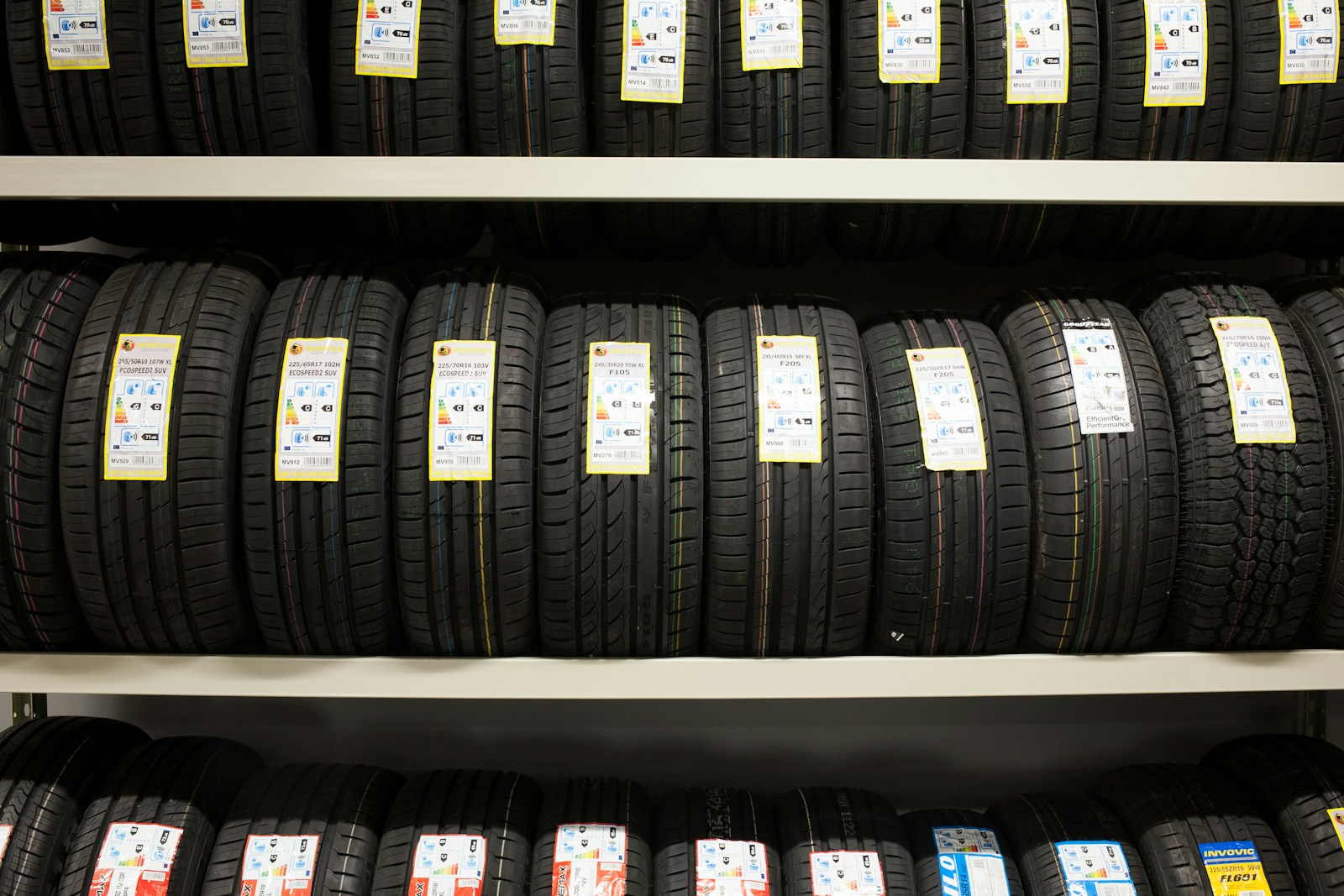
Picture this: it’s a cozy Saturday morning, and you’re excited to hit the road for a weekend adventure. You’ve just treated yourself to a brand-new set of tires, the kind that promise to grip the pavement like a pro. But wait—what happens when the first rainstorm rolls in? You might find yourself regretting that tire purchase faster than you can say “hydroplaning.” Let’s chat about four types of tires drivers have wished they’d avoided once the skies opened up.
1. All-Season Tires: The Jack of All Trades, Master of None
All-season tires are like that friend who tries to be good at everything but ends up being mediocre at most. Sure, they’re versatile and can handle a bit of rain, but when the downpour hits, they often fall short. Drivers have reported that these tires can struggle to maintain traction on wet roads, leading to those heart-pounding moments of slipping and sliding. It’s kind of like going to a potluck and bringing a dish that nobody wants to eat.
If you’re in a region that gets a fair amount of rain, you might want to think twice before grabbing those all-season tires. While they’re great for mild weather, when the rain comes, you’ll want something with a little more grip. Investing in a good set of wet-weather tires might save you from a less-than-pleasant surprise next time you’re cruising through puddles.
2. Performance Tires: Designed for Sunshine, Not Showers
Performance tires are the athletes of the tire world. They’re built for speed and handling, which sounds fantastic—until the weather takes a turn for the worse. They have a softer rubber compound that’s great for dry conditions, but when the rain comes, they can turn into slicks faster than you can say “road trip.”
Drivers have found that performance tires can lose grip in the wet, making those sharp turns a bit more dangerous when the rain starts to fall. It’s like trying to run in flip-flops; you might look good doing it, but you’re probably going to trip. If you’ve got a sporty car and love to take it for a spin, consider a dedicated wet-weather tire instead. Your car—and your heart—will thank you.
3. Budget Tires: Saving a Buck at a Cost
We all love a good deal, but sometimes a budget tire can feel like a false economy, especially when the rain starts pouring down. While they’re tempting to buy, budget tires often skimp on quality and safety features. They might save you some cash upfront, but when traction starts to slip, you could end up paying a lot more in repairs (or worse).
Drivers often report that budget tires struggle to channel water away effectively, leading to hydroplaning and a generally harrowing driving experience. It’s like buying a cheap umbrella that flips inside out at the first gust of wind—you’ll be left soaked and regretting your decision. If you’re looking to save some money, it’s worth investing in a mid-range tire that will keep you safe when the going gets tough.
4. Off-Road Tires: Great for Mud, Bad for Rain
Off-road tires are fantastic if you’re tearing through the wilderness or navigating rocky terrain. But take them on a wet highway, and you might find yourself in a slippery situation. Many drivers have made the mistake of thinking these rugged tires would perform well in the rain, only to discover they’re more suited for mud than slick pavement.
The aggressive tread patterns that help with traction on trails can actually hold onto water, making for a less-than-stellar experience on wet roads. It’s like trying to wear hiking boots to a fancy dinner; they’re great in their element, but totally out of place elsewhere. If you love off-roading but also need to navigate city streets when the skies open up, consider a tire that can handle both worlds without making you second-guess your choices.
Making the Right Choice for Your Ride
So, what’s the takeaway here? When it comes to tires, it’s crucial to know your driving habits and the conditions you’ll face. A little research goes a long way, and your wallet (and safety) will thank you. You don’t want to be that person regretting their tire choice while dodging puddles and praying you don’t lose control.
Next time you’re in the market for tires, think about how often you drive in the rain and what type of performance you need. A good set of rain-friendly tires can make all the difference, keeping you safe while you enjoy the open road. After all, the only thing that should be slipping is your favorite playlist, not your tires!