

You want your car to keep running for years, not just get you from point A to B. This article walks you through practical maintenance and driving habits that mechanics rely on to stretch a vehicle’s life toward — and past — the 300,000-mile mark.
Follow predictable care steps and timely checks, and you’ll dramatically reduce the chances of premature breakdowns.
You’ll learn which routine services, fluids, and driving small changes matter most, plus how to spot early warning signs before they turn into big repairs. Keep this as a go-to list for keeping your car dependable and far from the scrap heap.
Change your oil regularly, every 3,000 to 5,000 miles
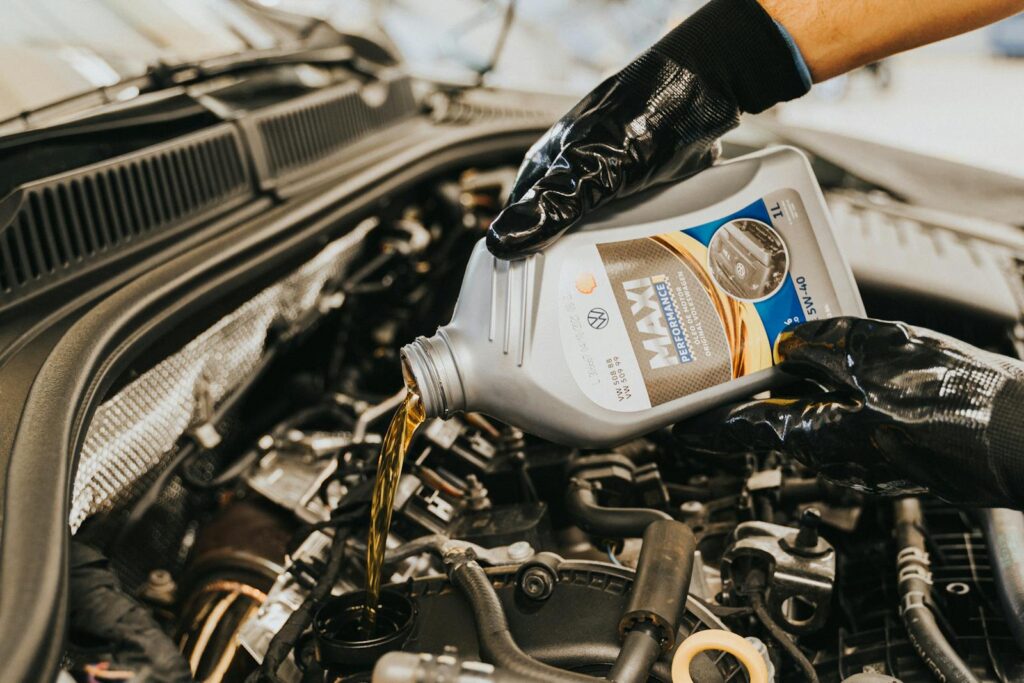
You should change your oil on a schedule that matches your car and driving. Many mechanics still recommend every 3,000–5,000 miles for safety, especially with stop-and-go or towing.
Modern engines and synthetic oils can stretch intervals, so check your owner’s manual and maintenance minder. For a clear read on contemporary guidance, see why the 3,000-mile rule has changed (https://autocarshub.com/is-oil-change-every-3000-or-5000-miles/).
Use high-quality synthetic motor oil
You should pick a full-synthetic oil designed for high mileage to protect seals and reduce wear. Synthetic oil flows better at cold start and resists breakdown under heat, so it keeps your engine cleaner between changes.
Check your owner’s manual for the recommended viscosity and change interval. Read reviews and compare options like Mobil 1 or Valvoline to find a trusted formula for your engine.
Keep your tires properly inflated and rotated
Check your tire pressure at least monthly and before long trips. Proper inflation improves handling, fuel economy, and tire life — follow the pressure listed on your door jamb, not the tire sidewall.
Rotate tires every 5,000–8,000 miles to even out wear and extend lifespan. If you want guidance on inflation and rotation basics, see this guide on how to properly inflate your car tires.
Replace air and fuel filters on schedule
Your engine needs clean air and fuel to run efficiently. A clogged engine air filter reduces airflow and hurts fuel economy; change it every 15,000–30,000 miles depending on conditions, or check more often if you drive dusty roads (AutoZone guide).
If your fuel filter is outside the tank, plan to replace it about every two years or 30,000 miles to avoid poor performance and potential injector issues. Replacing filters is inexpensive and one of the easiest ways to protect long-term engine health.
Don’t ignore dashboard warning lights
If a light comes on, treat it as a message from your car. Some are urgent, like oil pressure or brake warnings, and need immediate attention.
Other lights, such as the check engine lamp, might let you drive a short distance but still require diagnosis. Use an OBD-II scanner or visit a shop to read codes and fix the root cause.
Reset tricks can clear lights temporarily, but don’t rely on them; clearing without repair hides problems and can lead to bigger repairs later.
Flush your cooling system every 2 years
You should flush the coolant every two years or about 30,000 miles unless your owner’s manual specifies longer intervals. Old coolant collects rust and debris that reduce heat transfer and can clog hoses or the radiator.
A proper flush removes contaminants and restores corrosion protection, helping prevent overheating and premature water-pump or head-gasket wear. If you prefer DIY, follow a step-by-step guide and use the correct coolant type for your car.
For more detail on procedures and timing, see a comprehensive guide to flushing your car’s cooling system.
Use the recommended grade of transmission fluid
Check your owner’s manual for the exact fluid grade your transmission needs. Using the right ATF or CVT fluid keeps shifts smooth and prevents premature wear.
Mixing types or using cheaper substitutes can cause slipping or clunking. If you’re unsure, ask a trusted shop to confirm the specification before adding fluid.
Some vehicles need factory-spec fluids for long life; others accept common ATF types. Follow the recommendation and check levels regularly to avoid costly repairs.
Drive smoothly to avoid excessive engine strain
You should accelerate and brake gently to reduce wear on the engine and transmission. Sudden revs and hard stops force components to work harder and heat up faster.
Keep RPMs moderate and let the car warm up briefly in cold weather before pushing it. Shifting smoothly and avoiding lugging the engine saves fuel and extends life.
Replace spark plugs and wires as needed
Check your owner’s manual for the correct plug type and replacement interval, since recommendations vary by vehicle and plug design. Using the wrong gap or part can cause misfires and poor economy.
Replace worn or fouled plugs and any cracked or brittle wires; modern engines may have coil-on-plug boots instead. Follow a step-by-step guide and use a proper spark plug socket to avoid damage when you remove and install plugs (see how-to details).
Keep your battery terminals clean and tight
Check your battery terminals every few months and after big trips. Corrosion and loose clamps cause poor starts and weird electrical issues.
Disconnect negative first, then positive, and clean posts with a wire brush or a baking-soda paste if needed. Dry everything, tighten clamps so they don’t wiggle, and coat terminals with dielectric grease or petroleum jelly to slow corrosion.
If corrosion returns quickly or the battery drains fast, have a mechanic test the charging system and battery health.
More from Steel Horse Rides: