
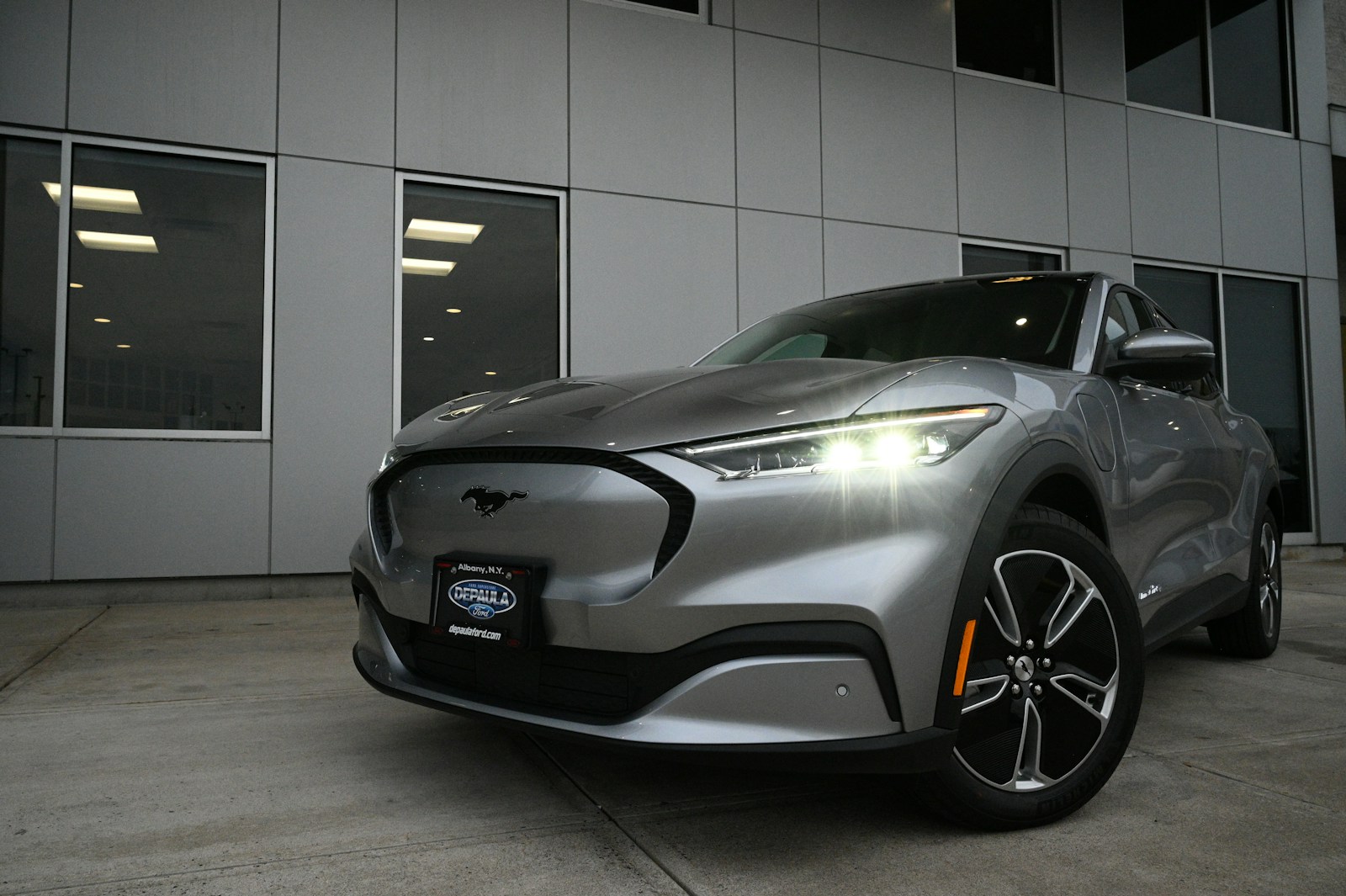

You’re weighing a big purchase, and the wrong vehicle can quietly drain your budget and patience. This piece steers you away from types of cars that often bring unexpected costs, reliability headaches, or faster-than-expected value loss.
You’ll learn which vehicle categories are most likely to stretch middle-class finances and why avoiding them can protect both your wallet and peace of mind. Keep reading to spot the warning signs before you sign on the dotted line.
Used luxury cars with high maintenance costs
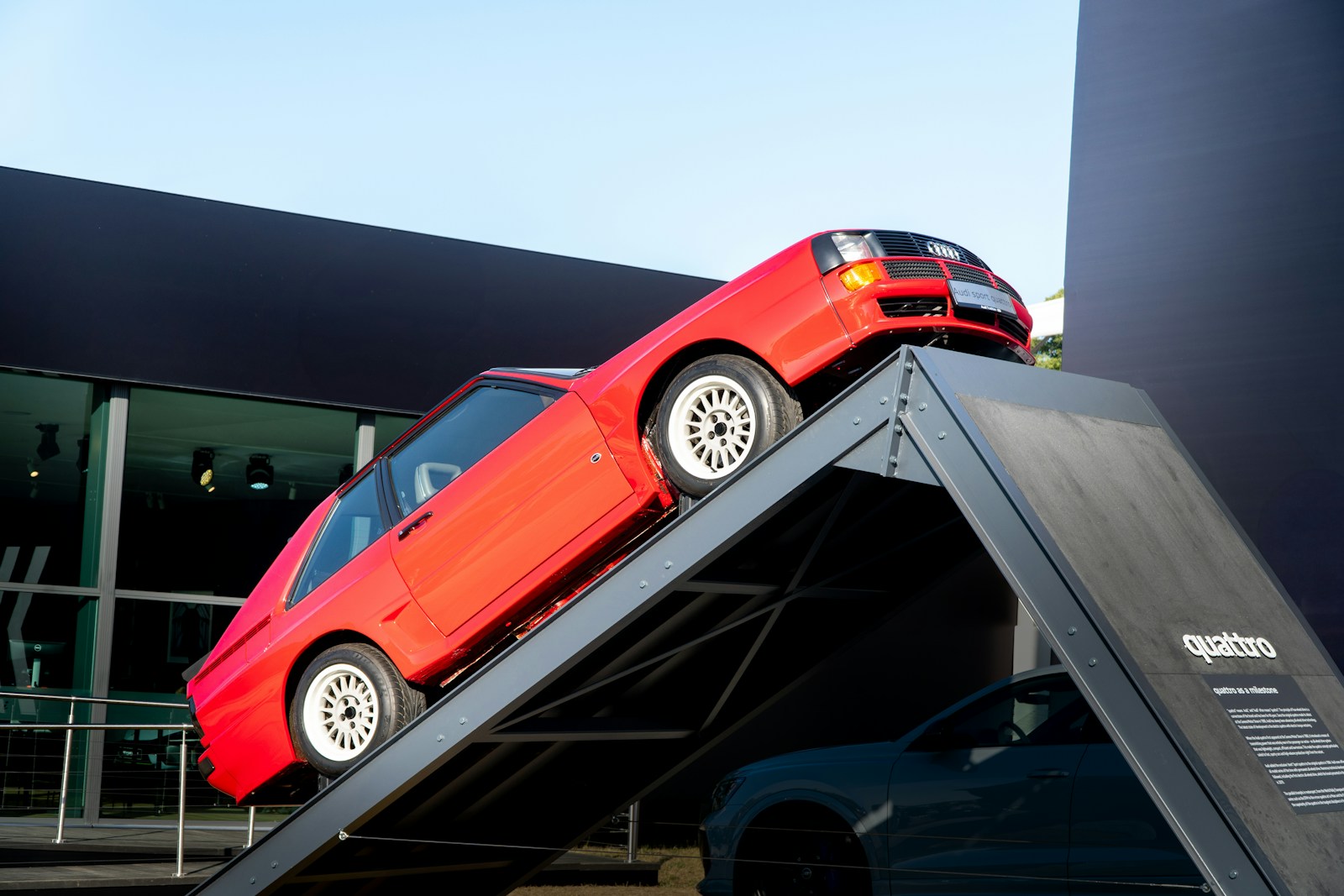
You might love the features and feel of a used luxury car, but repairs and parts can hit your wallet hard. Expect higher-than-average maintenance, especially on brands with complex electronics and specialized service needs.
If you want numbers and comparisons before you buy, check maintenance-cost rankings like the Consumer Reports analysis.
Large gas-guzzling SUVs
If you’re shopping on a middle-class budget, avoid full-size SUVs that return poor mileage and high running costs. Many models drain fuel fast, especially with urban driving and heavy loads.
Higher insurance, maintenance, and fuel bills can make monthly ownership much pricier than the sticker price suggests. For comparisons on fuel economy and to spot the worst offenders, check the 2026 best and worst fuel economy vehicles.
Early electric vehicle models with battery concerns
You might remember early EVs that promised a lot but delivered limited range and slow charging.
Those first batteries suffered from short life spans and capacity loss that raised ownership costs.
If your budget is tight, repair and replacement costs for aging battery packs can be a surprise.
Read about how battery demand and technology evolved in the IEA’s Global EV Outlook 2025.
Brand new cars due to rapid depreciation
Buying a brand new car means you absorb the biggest value drop in the first few years.
If you care about resale value, you’ll often save more by buying a lightly used model instead.
Electric and high-end luxury models tend to lose value fastest, so avoid paying full sticker unless you need new-car perks.
Check recent lists of fast-depreciating models to see which types to skip before you sign any paperwork (for example, U.S. News tracks depreciation trends: https://cars.usnews.com/cars-trucks/advice/cars-with-the-fastest-depreciation).
Hail-damaged cars for better value
You can find steep discounts on hail-damaged cars, which makes them tempting if you want value over looks.
Inspect panels, glass, and the roof carefully; some dents are purely cosmetic while others hide frame or water issues.
Get a vehicle history report and ask whether the car was ever declared a total loss — that lowers resale value.
If you plan repairs, compare paintless dent repair costs to replacement work and factor in reduced future resale when negotiating.
Consider buying only if you have a reliable mechanic and patience for repairs.
More from Steel Horse Rides: