

You step into a world where low rumble and raw power shaped style, status, and street cred. This article shows which six American machines left the biggest mark on the muscle era and why they still matter to your sense of performance and design.
You’ll cruise through iconic names, fierce rivalries, and the design moves that defined a generation of horsepower. Expect compact storytelling that connects each car’s attitude to the culture it helped create.
Pontiac GTO
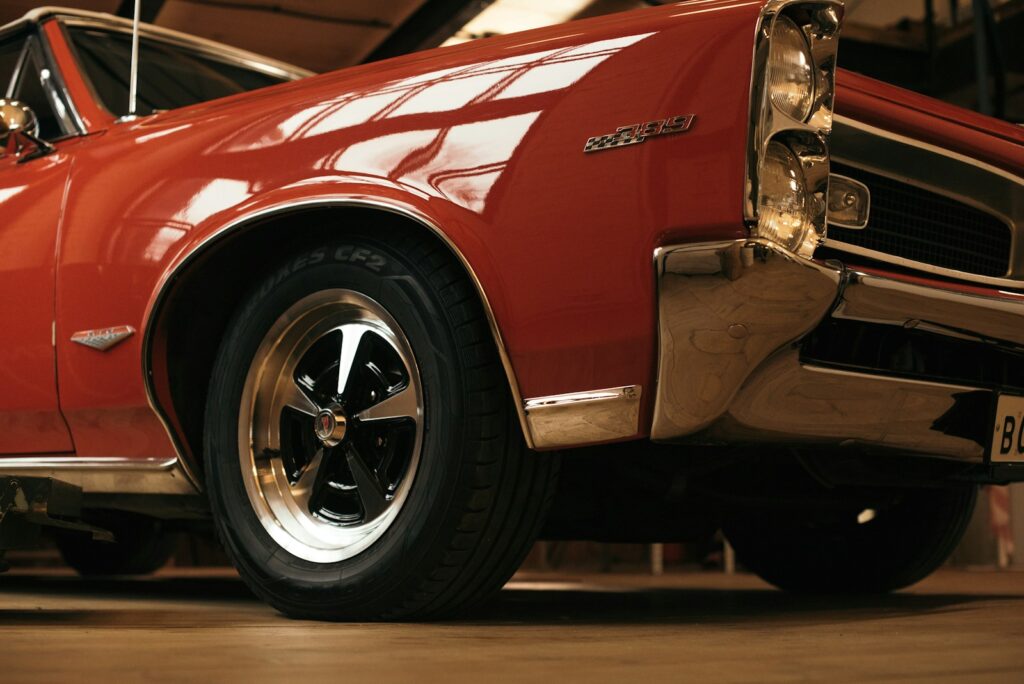
You’ll spot the GTO as the car that shifted American performance in the 1960s. It married a potent V8 with a mid-size body to give drivers big power without a supercar price.
Pontiac marketed it directly to younger buyers, and the 1964 model is often credited with starting the muscle car movement. Read more about its role in launching the era with the Pontiac GTO: The Original Muscle Car That Started It All.
Ford Mustang Boss 302
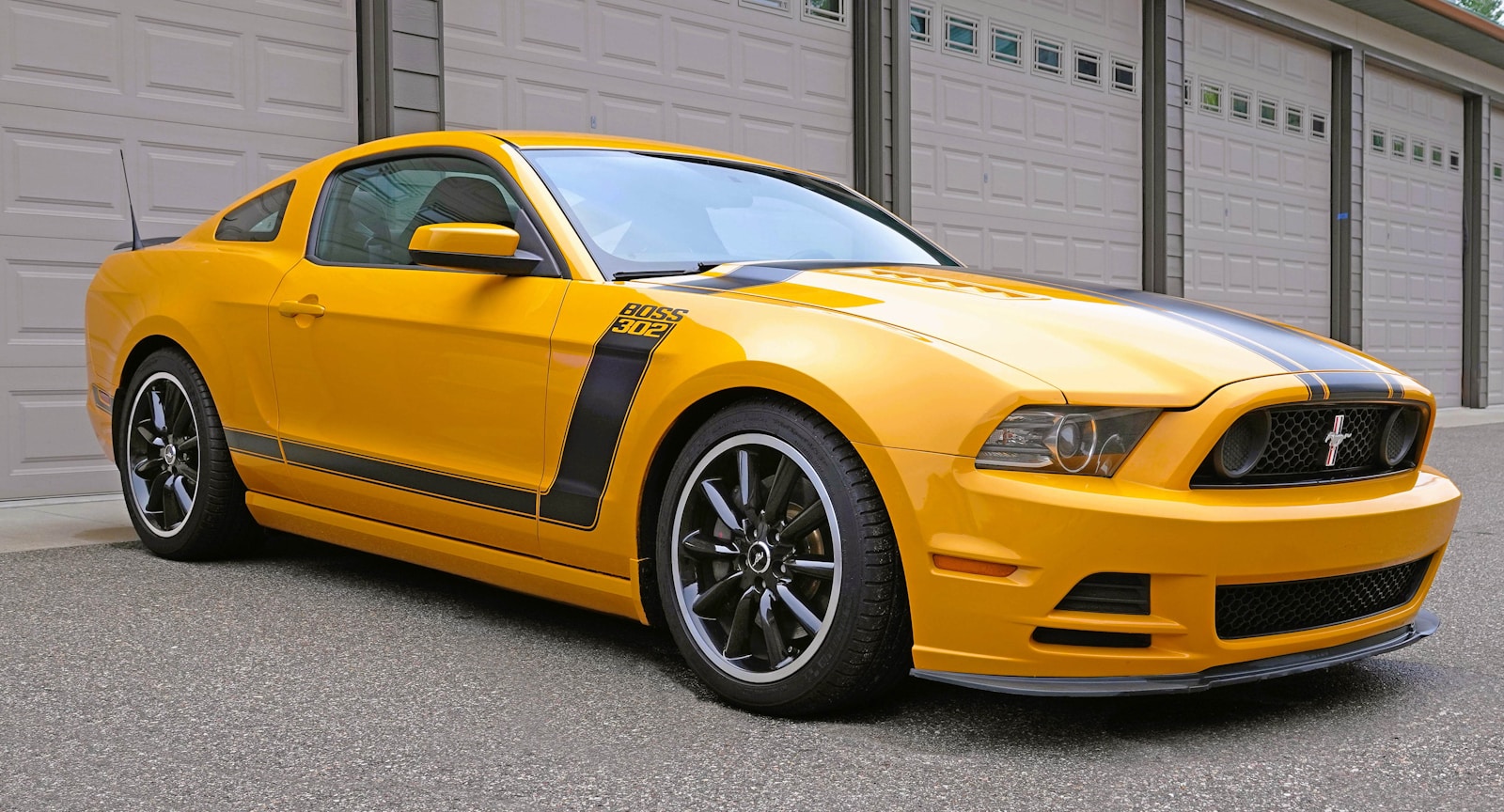
You’ll notice the Boss 302’s raw focus when you hear its high-revving 302 V8 and feel the tight handling. Built for Trans-Am competition, it pairs street presence with track-ready parts you can appreciate.
You can spot period-correct cues like the shaker hood and bold striping that set it apart from regular Mustangs. For deeper history and specs, see the detailed Boss 302 Mustang overview.
Chevrolet Camaro SS
You feel the Camaro SS the moment you press the throttle; its 6.2‑liter V8 delivers hard, honest power without theatrics.
The SS mixes straight-line muscle with surprising composure in corners, so your weekend drive can be both loud and precise.
The model traces back to the late 1960s pony‑car battles and kept evolving through six generations.
Read more about the Camaro’s history and legacy at Chevrolet’s Camaro page (https://www.chevrolet.com/legacy/camaro).
Dodge Challenger HEMI
You feel the HEMI’s rumble before you see it — a raw, physical promise of power that defined late‑60s and early‑70s muscle. The Challenger paired that engine with bold styling, giving you presence on the street and the strip.
You get a range of legendary V8s, including the 426 HEMI that became a performance benchmark. Today’s modern HEMI Challengers echo that heritage with supercharged variants that push output while keeping the classic muscle character.
Plymouth Road Runner
You get a no-frills muscle car that prioritizes power over polish.
Introduced in 1968, the Road Runner paired big-block engines with a stripped-down interior to keep costs low and performance high.
You’ll appreciate its 440 and Hemi options that delivered real-world straight-line speed without the luxury price.
The car’s cartoon namesake and simple design made it instantly recognizable and ruggedly appealing.
Learn more about its history and specs from this Plymouth Road Runner overview.
Chevrolet Chevelle SS 454
You’ll feel the era in the Chevelle SS 454’s big-block V8—rated at 450 hp with roughly 500 lb-ft of torque—built for straight-line domination. The LS6 version was a factory-built powerhouse that changed expectations for mid-size performance cars.
You can still find examples prized by collectors and racers alike, often restored to original spec. Learn more about its legacy and specs from a detailed overview of the Chevelle SS 454.
More from Steel Horse Rides: