

You’re about to explore why seven familiar car brands now face steep challenges and what those troubles could mean for your choices on the road. This article gives you a clear, concise look at which companies are under pressure, why they’re struggling, and what to watch next so you can make smarter decisions about buying, servicing, or following the industry.
Expect focused coverage that connects corporate moves, market trends, and practical effects on availability, pricing, and support for the vehicles you might own or consider. You’ll get straightforward context on legacy names and global groups so you can see which brands might survive and which could change very quickly.
Stellantis

You’ve probably seen headlines about Stellantis trimming brands as sales fall and leadership shifts. The company’s 14-brand lineup creates tough choices about which marques deserve investment and which may be cut.
Analysts point to struggling names like Chrysler and Lancia, and to broader moves to consolidate capacity and focus on profitable lines. Read more about the reported deliberations at a detailed coverage of which brands may go (https://www.msn.com/en-us/money/news/stellantis-may-cut-8-brands-as-600K-sales-disappear-by-2026/ar-AA1SMdMm).
Chrysler
You’ve probably noticed Chrysler’s lineup has shrunk to just the Pacifica, leaving questions about the brand’s future. Sales have dropped heavily over two decades, and Stellantis has signaled it may trim underperforming marques soon.
If you care about Chrysler, watch for new product plans and electrification moves that could determine whether the nameplate survives. Read more on Chrysler’s situation in reporting from CNBC.
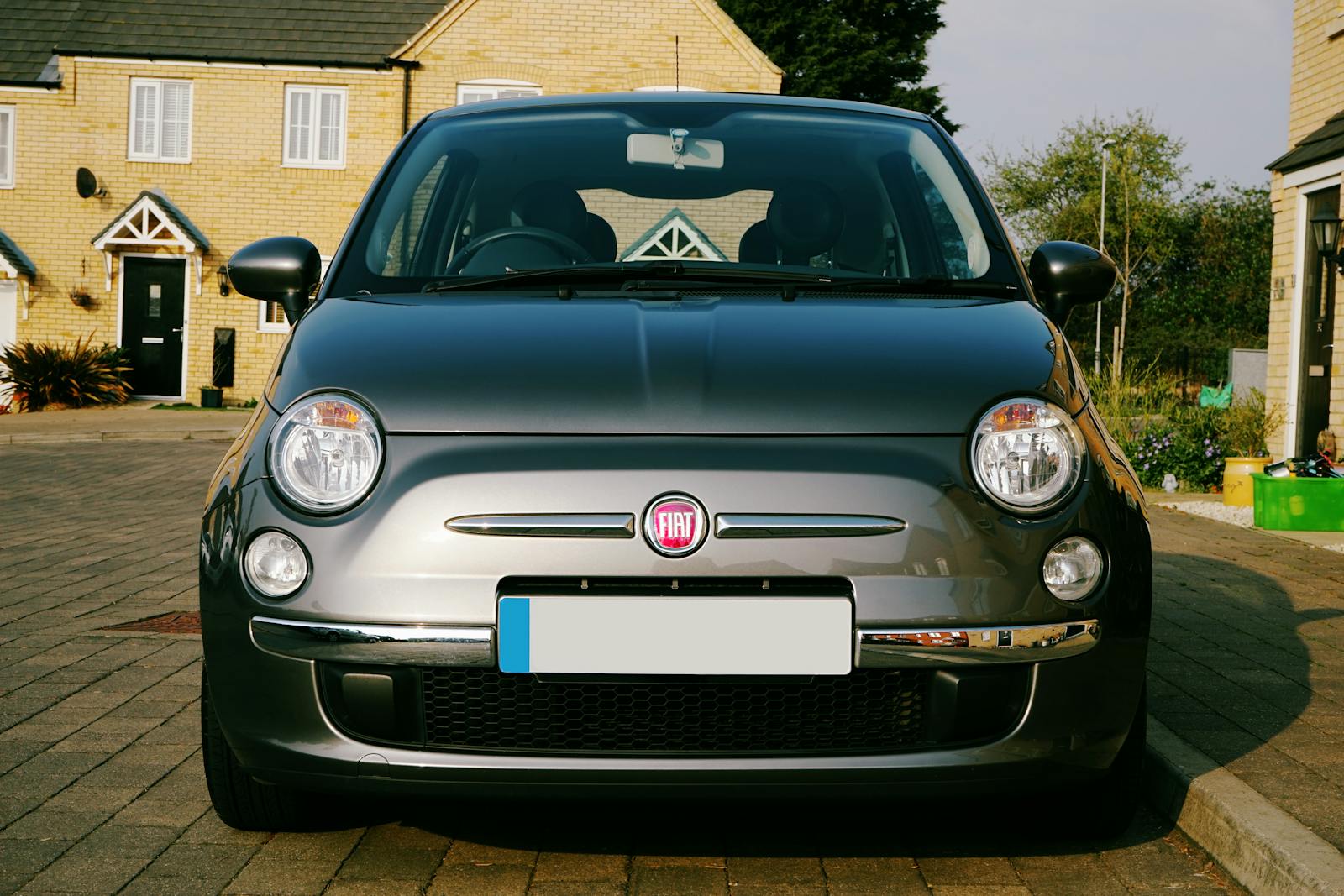
Fiat
You’ve watched Fiat shrink in global importance as Stellantis prioritizes volume brands and EV investments.
Sales have slipped in the U.S., and analysts regularly call out Fiat’s limited lineup and narrow profit margins as risks.
If Stellantis cuts unprofitable marques, Fiat often appears on the list of brands under pressure.
Read commentary on the company’s strategic choices in the discussion of which Stellantis marques may be axed (https://www.roadandtrack.com/news/a63903888/stellantis-chairman-reportedly-weighing-which-car-brands-should-be-killed-off/).
Infiniti
You’ve likely noticed Infiniti shrinking its lineup and shifting dealers into Nissan showrooms to cut costs and stay visible.
That co-location helps short-term survival, but it weakens the luxury image buyers expect.
You’ll see Infiniti adding EVs for 2026 while dropping some current models, a sign it’s betting on electrification to regain relevance.
If you follow premium buyers, you’ll know Infiniti needs clearer brand identity and stronger products to compete.
Nissan
You’ve probably seen headlines about Nissan’s tough stretch and leadership changes. Analysts point to heavy debt, cost cuts, and a high-stakes turnaround plan led by the new CEO.
You should watch product strategy and EV competitiveness, since cheaper Chinese EVs and global rivals are squeezing margins. Nissan’s long history and tech strengths give it options, but execution and cash management will decide your brand’s near-term fate.
Read more about the company’s situation and plans at this Bloomberg overview.
Mitsubishi
You’ve probably noticed Mitsubishi shrinking in showrooms and headlines lately. Dealers report falling sales and pressure to lean on used-car inventory to stay afloat.
Executives are exploring alliances with rivals to share US production and EV development, which could keep your local lineup viable. Read more about how those talks might affect Mitsubishi’s future in the US market at this analysis of Mitsubishi’s survival prospects.
Maserati
You’ve watched Maserati trade its classic roar for an EV roadmap and felt the uncertainty around its future. Analysts say Stellantis may spin off or sell the brand as it trims its 14-badge portfolio, putting Maserati’s independence at risk (see discussion of a possible sale).
If you love the trident, note that success depends on keeping luxury appeal while cutting costs and sharing platforms with siblings like Alfa Romeo. You’ll want to watch Stellantis’ strategy moves closely over the next year.
More from Steel Horse Rides: