

Maintenance costs are the quiet budget killer in car ownership, and they are exactly where electric vehicles tend to pull away from traditional gas models. While gas prices grab the headlines, the real long term difference often shows up in repair bills, service visits, and worn out parts. Over a typical ownership span, that gap can easily add up to thousands of dollars.
To figure out whether a gas car or an EV really saves more over time, it helps to look past the sticker price and into what actually breaks, what needs servicing, and how often drivers end up at the shop. Once those pieces are on the table, the pattern that emerges is surprisingly consistent in favor of electric power.
Why EVs start with a built in maintenance advantage
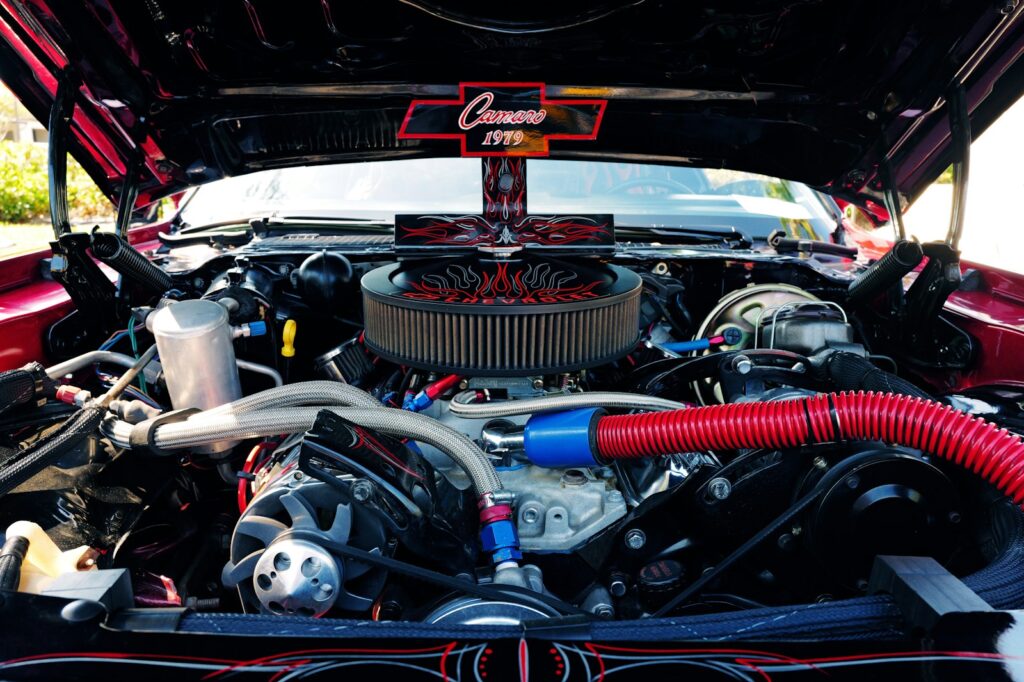
The basic hardware of an electric car is far simpler than a gas powered one, and that simplicity is where the savings begin. A typical internal combustion engine has hundreds of moving parts that need lubrication, cooling, and regular attention, while an electric motor has a fraction of that complexity and does not require the same routine care. That is why detailed ownership data shows that electric vehicles can offer big savings compared with traditional gas powered cars, especially as the miles pile up, a point backed by long term ownership data.
When researchers dug into real world repair records, they found that Electric vehicle owners spending half as much on maintenance compared to gas powered vehicle owners, a result that came out of an analysis that compared similar vehicles over time. That “half as much” pattern shows up again in other research that concludes Consumer Reports Study Finds Electric Vehicle Maintenance Costs Are 50% Less Than Gas Powered Cars, reinforcing that the gap is not a rounding error but a structural difference.
Lifetime maintenance, side by side
When shoppers try to compare a gas car and an EV, they usually focus on monthly payments and maybe fuel, but a better way is to look at what each one is likely to cost over its Lifetime. Detailed breakdowns that put Gas and EVs next to each other on Maintenance Over the Vehicle Lifetime show that Everyone who sticks with an electric model for the long haul tends to come out ahead on service costs, a pattern highlighted in side by side comparisons. Those comparisons fold in routine items like brake service, coolant flushes, and transmission work, which stack up quickly on gas models but barely register on many EVs.
Other analysts have tried to put a clean number on that gap, asking Can Electric Vehicles Really Be 50% Cheaper to Maintain Than Gas Powered Cars and answering with a clear Yes based on lifetime cost modeling that pegs the difference at roughly 50%. That same conclusion appears in work that repeats the finding that Consumer Reports Study Finds Electric Vehicle Maintenance Costs Are 50% Less Than Gas Powered Cars, giving drivers a simple rule of thumb for long term planning.
What actually gets serviced on gas cars vs EVs
Under the hood, the maintenance story is really a tale of parts that wear out. Gas engines rely on oil, filters, spark plugs, exhaust systems, and complex transmissions, all of which need regular attention and occasionally expensive repairs. By contrast, Maintenance on an Electric drivetrain largely skips those items, because Electric vehicles experience none of the oil changes, exhaust work, or transmission service that define life with a traditional gas powered car, a difference spelled out in practical guides.
Even the most basic question, Do electric cars need Oil changes, has a simple answer: no, because they are not burning fuel in a piston engine and do not use engine oil in the first place. That is why service estimates often show EVs costing only a few cents per mile to maintain, with some breakdowns putting the figure at roughly $0.03 to $0.10 per mile compared with higher averages for gas models, a gap highlighted in dealership level estimates. Neither will EV drivers have to worry about replacing a stolen catalytic converter, the scourge of the modern motorist, which is one more headache that simply does not exist on an electric platform, as explained in real world examples.
How dealers and insurers frame the cost gap
Dealers that sell both types of vehicles have a front row seat to the difference, and they tend to describe it in plain terms. Maintenance Costs for EVs are often framed as lower because there are fewer fluids, fewer filters, and fewer wear items, while Gas models still need the full menu of traditional service. That is why some dealer comparisons that ask EV Maintenance Costs vs Gas, Which is Cheaper and How Do They Compare to Gas Vehicles come down clearly on the side of electric models for long term ownership, as seen in service department comparisons.
At Crouse Ford, service advisors spell it out even more bluntly, noting that At Crouse Ford the EV side of the shop sees fewer service visits because there are fewer parts subject to heat and vibration, while gas engines face more wear and tear, necessitating more frequent maintenance, a pattern they highlight in their own guidance. Insurers and cost of ownership analysts echo that view, with one Electric vs Gas Cars True Cost of Ownership Guide pointing out that Electric cars can save you money in the long run, even as Gas Cars are still cheap to buy upfront, and that some brands like Tesla holding value better can further tilt the math toward EVs, as laid out in that broader guide.
Real world numbers: fuel, service, and the 10 year view
Maintenance is only part of the story, because fuel and service together decide what a car really costs to keep on the road. One 10 year comparison that looked at a typical driver found that switching from a gas car to an EV could deliver about $800 in annual fuel savings, or $8,070 over ten years, when Nationally gas averages $3.50 per gallon, a set of figures that put hard numbers on the National cost gap in a widely cited comparison. That same analysis notes that those fuel savings stack on top of dramatically lower maintenance costs, which is why the total ownership picture tends to favor EVs even when their purchase price is higher.
Industry research that pulls together data from the Department of Energy and Edmunds reaches a similar conclusion, with one Aug Cost Comparison of EV Maintenance Cost vs Gas pointing out that Industry level numbers consistently show lower service spending for electric models, especially after the warranty period, a point laid out in a detailed guide. A companion breakdown from the same source, labeled Aug Maintenance Cost Gas The First Time Buyer Guide, walks through how recurring services like oil changes, transmission flushes, and belt replacements add up on gas cars, then offers a simplified breakdown based on averages that shows EVs avoiding most of those line items, as explained in that first time buyer guide.
More from Wilder Media Group: