

Luxury cars are built to feel almost indestructible, but anyone who has watched a prestige sedan hit six figures on the odometer knows the truth: comfort and tech do not protect you from wear. Stretching a high end car to 300,000 miles is less about babying it and more about treating it like a machine that will only give back what you put in. When a mechanic walks through what it really takes, the advice sounds simple on paper and brutally consistent in practice.
The core promise is straightforward. If an owner is willing to stay ahead of maintenance, accept that some parts will fail, and treat electronics as seriously as engine oil, a luxury car can realistically join the 300,000-mile club. The catch is that every skipped service and ignored warning light quietly shortens that runway.
Start With Realistic Expectations And A Maintenance Mindset
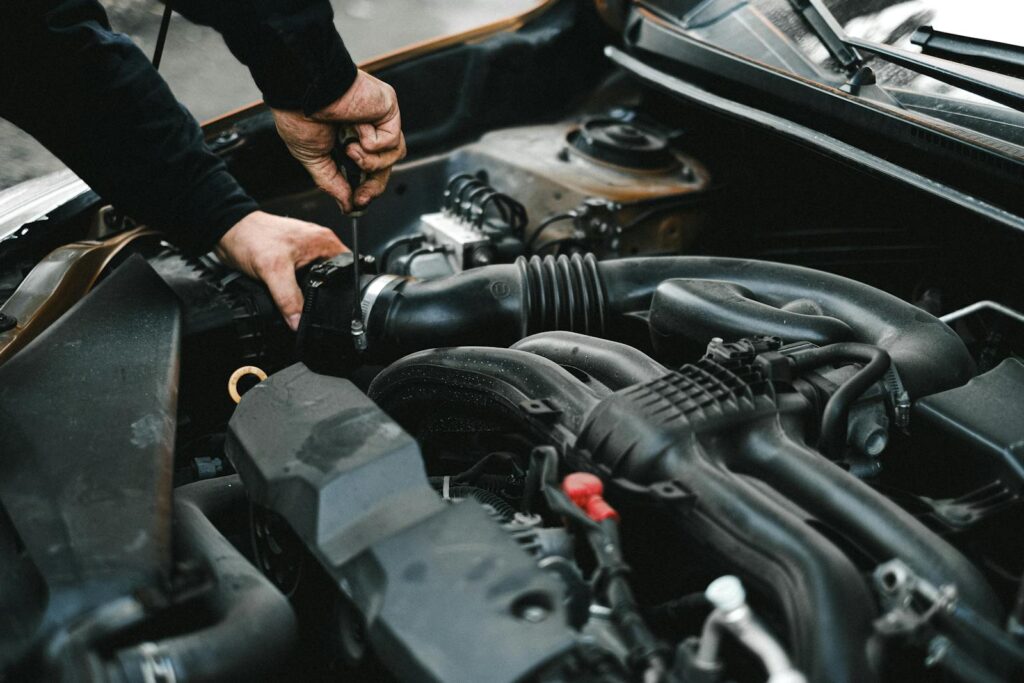
Mechanics who see cars cross the 300,000-mile mark tend to start with a reality check, not a pep talk. One veteran, Pyle, is blunt that anyone chasing a 300,000-mile odometer reading should Expect Repairs Along, because even the best maintained car will eat suspension parts, sensors, and bushings over that distance. The point of rigorous upkeep is not to avoid every bill, it is to prevent the kind of catastrophic failures that total a car long before its engine is truly worn out. That mindset matters even more with luxury brands, where a single neglected cooling issue can snowball into a four figure repair that convinces an owner to give up.
Luxury models also start from a different baseline. They often carry heavier bodies, more complex drivetrains, and intricate features that all age in their own way. Analysts who look at the life expectancy of high end cars point out that while the underlying engines can be robust, the ownership experience is defined by how well the owner keeps up with the extras, from air suspension to multi zone climate systems. That is why long lived examples tend to belong to people who treat the maintenance schedule like a contract, not a suggestion, and who budget for wear items the way others budget for fuel.
Fluids, Electronics And High Mileage Habits
Ask any mechanic where to start and the answer is almost always fluids. High mileage specialists stress that fluid management is the cheapest insurance a driver can buy, especially once a car is past 100,000 miles. For a luxury SUV or sedan, that means engine oil, coolant, transmission fluid, brake fluid, power steering fluid, and differential fluid all get changed on time, or even a little early. One high mileage checklist spells it out clearly: if an owner wants a tired but faithful car to keep performing, they need a structured plan that covers every major system so they can extend the useful instead of reacting to breakdowns.
That discipline shows up in the numbers. When one mechanic was Asked how to make an SUV last 300,000 Miles, his first move was to tell owners to change the engine oil and filter every 5,000 Miles, even if the dash says they can stretch it. The same logic applies to performance oriented luxury models. Another specialist advising on high performance engines told drivers to Follow a stricter schedule and Replace Fluids More Often, because Sports engines run hotter and harder than the average commuter car. That extra heat cooks oil and coolant faster, so the owner who treats a twin turbo V8 like a Camry is quietly shortening its life.
Electronics are the other quiet killer of luxury longevity. Modern high end cars are rolling networks of modules, sensors, and screens, and a mechanic advising on how to push a prestige model to 300,000 miles put “Keep Up With Electronic Repairs” at the top of the list. Ignoring a glitchy control unit or intermittent warning light can eventually knock out critical systems like stability control or adaptive suspension. Owners who jump on those issues early, instead of waiting for a total failure, keep the car safe and avoid the kind of cascading faults that make a vehicle feel like an unreliable money pit.
Driving Style, Cleanliness And The Long Game To 300,000 Miles
How the car is driven matters as much as what gets replaced. A video that walks through why many German cars turn into “expensive nightmares” after 100,000 miles points out that BMW, Mercedes, and Audi models are often driven hard, then maintained like economy cars. That mismatch between performance use and budget upkeep is exactly what a careful owner has to avoid. High mileage guides aimed at drivers who are already “Looking After” a High Mileage Car up serious distance all hammer the same habits: warm the engine before heavy throttle, avoid constant short trips, and keep speeds smooth instead of bouncing between full throttle and full brake. Those small choices reduce stress on everything from turbochargers to brake rotors.
More from Wilder Media Group: