
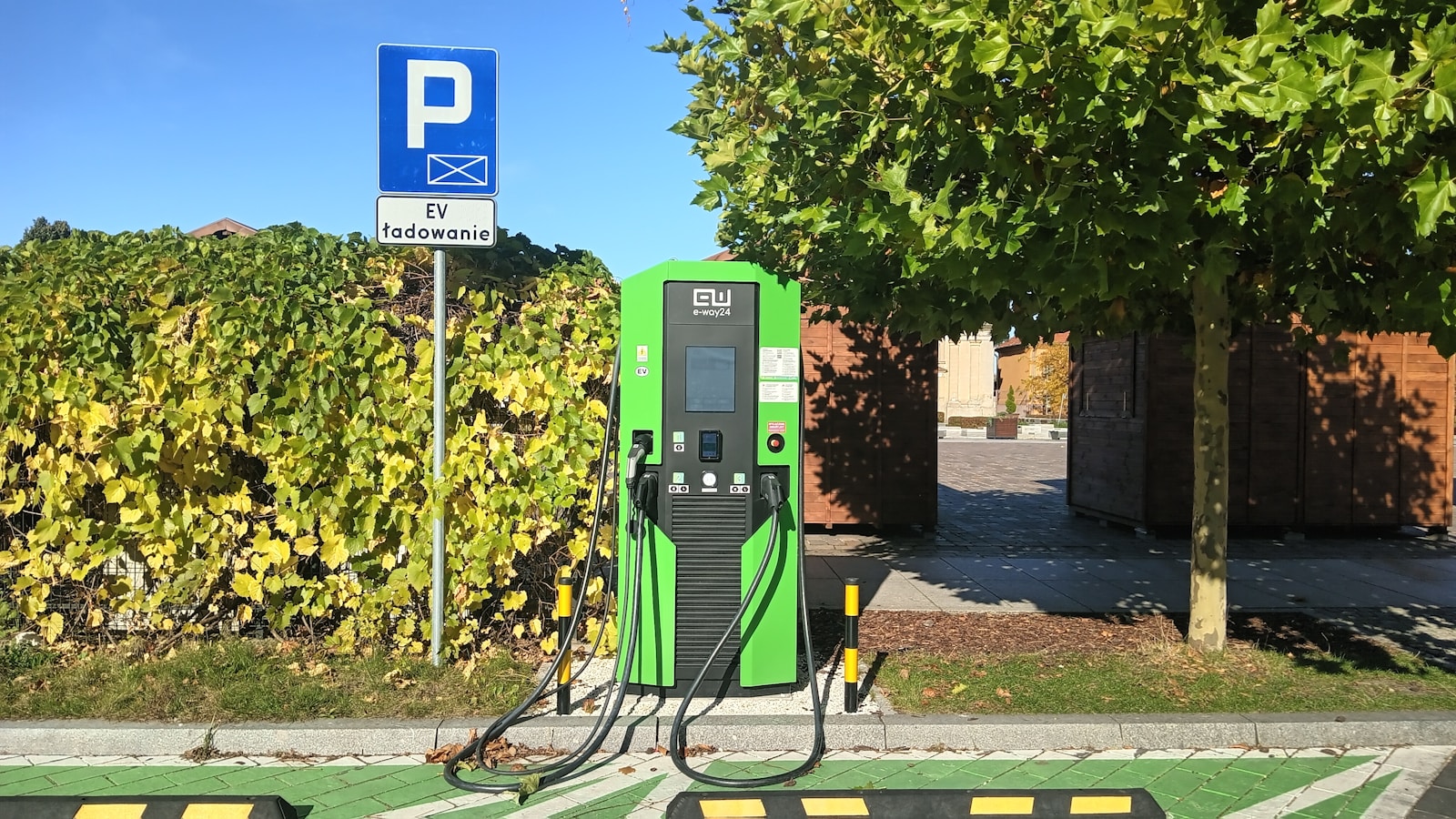

For drivers trying to decide between plugging in a Tesla or filling up a Jeep Patriot, the real question is not about vibes or brand loyalty, it is about what quietly drains the bank account every month. Fuel and electricity prices move around, but the gap between charging a battery and feeding a gas tank has become clear enough that it can be priced out in everyday terms. Lining up the monthly cost of charging a Tesla against the gas bill for a Jeep Patriot shows how much of that decision is about math, not just metal.
Look past the sticker price and the comparison comes down to a few simple numbers: how far someone drives, what they pay per kilowatt hour or per gallon, and how thirsty their vehicle really is. With typical driving in the 1,100 mile range and realistic efficiency figures for both vehicles, the monthly spread between electrons and gasoline is big enough to matter for anyone watching their budget.
What a Month of Tesla Charging Really Looks Like
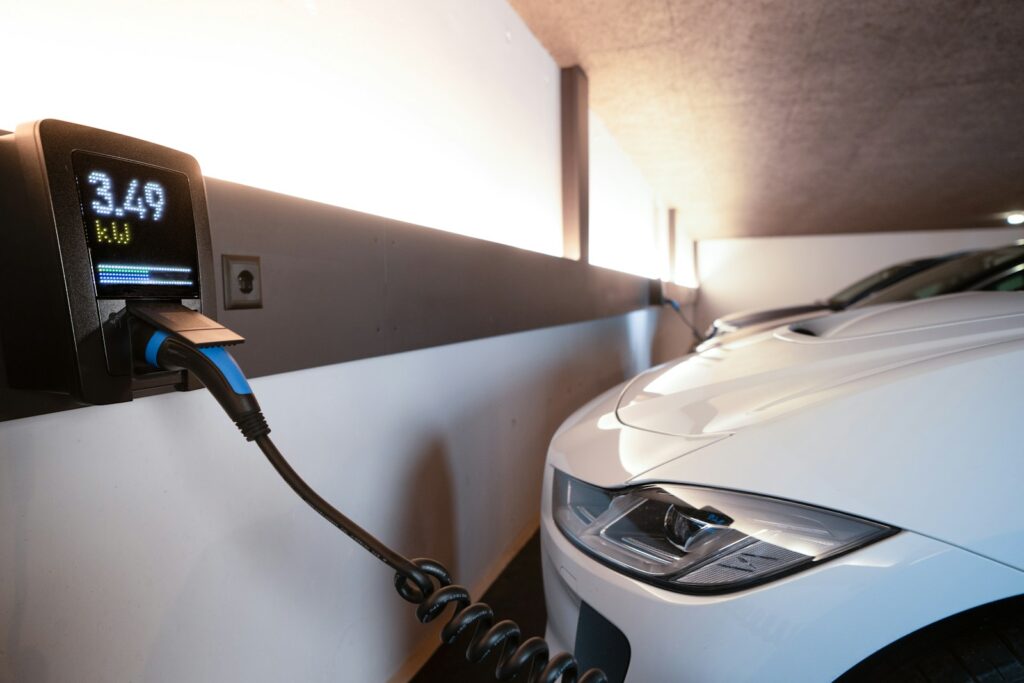
On the electric side, the baseline is how much it costs to fill the battery from empty at home. Detailed breakdowns put a full home charge for a Tesla between $10.98 and $18.00, depending on battery size and local power rates. Broader guidance on Home charging pegs a typical full charge in roughly the $11 to $23 window, again tied to the specific Tesla model and what the utility charges per kilowatt hour. For a driver who plugs in a few times a week rather than running the battery to zero, that translates into a modest bump on the household power bill rather than a shock.
Real owners back that up with their own numbers. In a Tampa Bay owners group, one driver in Jun spelled it out bluntly, saying that if they charged their Tesla only at home, the monthly cost would be “About $15 or less,” and that their actual bill for heavy use still stayed manageable. Broader electric vehicle data backs the pattern, with a Charging Cost Overview showing that, at current national averages, topping up an EV battery adds far less to a utility bill than most people expect. For a typical driver covering around 1,100 miles a month, that usually means a charging tab in the $40 range, not triple digits.
Jeep Patriot Gas Costs and the Per‑Mile Gap
To see how a Jeep Patriot stacks up, it helps to start with how much fuel it burns in the real world. Owners on a Patriot forum do not sugarcoat it, with one noting that the 2.4l four cylinder is “pretty thirsty even at idle” and that the Patriot is “as aerodynamic as a refrigerator,” a colorful way of saying highway efficiency is not its strong suit. That kind of shape and engine pairing typically leaves drivers in the mid‑20s miles per gallon at best, and often lower in city traffic or with cargo on board. Once gas prices climb, every commute and school run starts to feel more expensive than the window sticker ever suggested.
Side by side, the per‑mile cost difference is stark. A detailed Tesla energy guide pegs the average electric model at 4.56 cents per mile, based on typical home electricity rates and efficiency, and notes that this works out to approximately 67 percent lower fuel costs than gasoline. That analysis uses a driving baseline of 1,133 miles per, which lines up closely with the 1,100 mile figure used by Vasilevski in separate cost comparisons. In that work, Vasilevski calculates that a typical driver covering 1,100 miles in a Tesla would likely spend about $47 on charging, while a comparable gas vehicle would need significantly more at the pump to cover the same distance.
Monthly Bottom Line: Tesla vs. Jeep Patriot
When those fuel and charging numbers are rolled up into a monthly budget, the pattern is consistent. One detailed comparison of operating costs finds that Charging a Tesla averages about $39 per month for a typical driver, though the exact figure can swing with local electricity prices and how often the car is fast‑charged. The same analysis notes that, in terms of operating costs, a Tesla generally costs less to operate than a Jeep Patriot, and that the exact spread can vary from state to state. A separate look at overall fuel costs reinforces that, noting that when people compare Are Teslas cheaper to drive, the answer is that, When it comes to operating costs, Tesla vehicles are much cheaper to run than gas powered cars.
More from Wilder Media Group: