
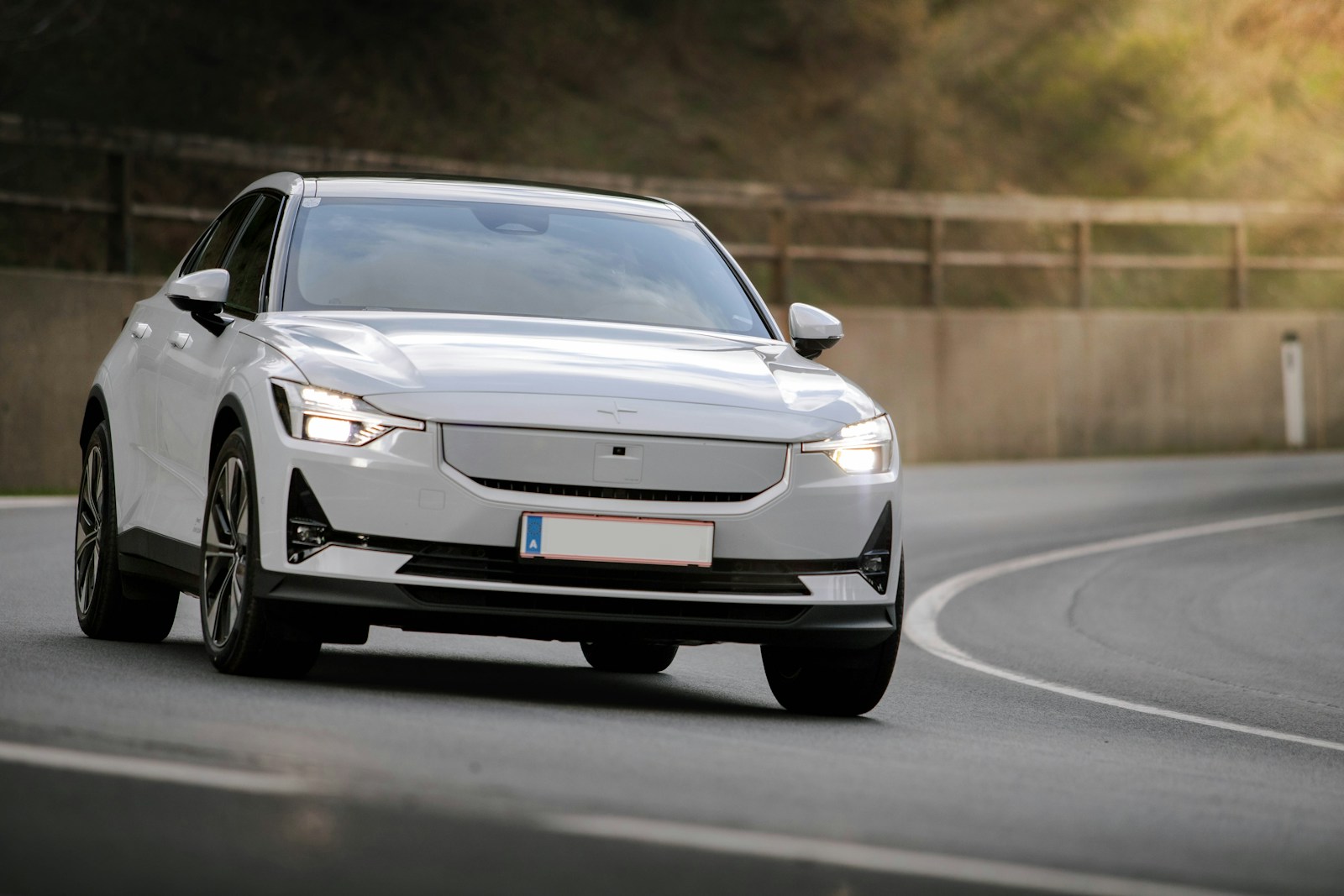

Battery life is the quiet deal breaker in the electric-car world. Shoppers are not just chasing big range numbers on a window sticker, they want packs that hold that range after years of fast charging, winter commutes, and road trips. Real-world data is starting to separate the hype from the hardware, and a few brands and models are clearly pulling ahead on long-term stamina.
Looking across owner reports and independent testing, a pattern emerges: the EVs that go far on a charge today and still feel fresh after heavy use tend to pair efficient drivetrains with conservative battery management. That mix is what lets some cars rack up well over 200,000 miles while others see their range shrink faster than expected.
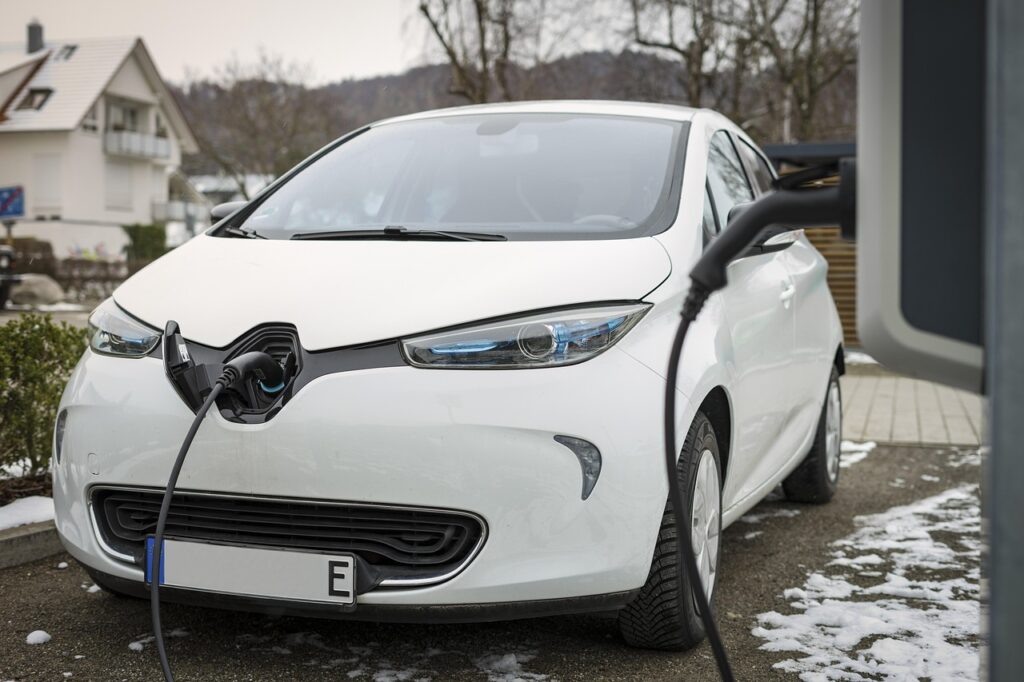
Real‑world range leaders that actually keep their distance
When drivers talk about “longest lasting,” they usually mean two things at once: how far the car goes on a charge and how slowly that range fades. On the first count, the current benchmark is the Lucid Air family, which has turned lab promises into serious highway legs. In independent testing of the Longest Range Electric, the Lucid Air Grand Touring is listed at 512 Miles on the EPA cycle and 485 Miles in Real-World driving, a rare case where the gap between brochure and reality stays relatively tight. That kind of consistency matters, because a car that reliably delivers its rated distance is less likely to force owners into charge habits that accelerate wear, like constant 100 percent top-ups.
Digging into the same rankings, the Lucid Air Grand Touring shows why raw battery size is only part of the story. The car combines those 512 Miles and 485 Miles figures with a usable battery capacity of 112 kWh, according to a detailed breakdown of the Lucid Air Grand. That is a big pack, but the key is how gently the system treats it, with software that keeps a buffer at the top and bottom of the charge window. A separate set of Key Insights from the same testing notes that German luxury brands like Mercedes and BMW sometimes see their real-world range exceed EPA estimates, which suggests their efficiency and thermal management are dialed in. Cars that squeeze more miles from each kilowatt-hour can hit the same road-trip targets without pushing the battery as hard, which is exactly what long-term durability needs.
Brands and models proving they can go the distance
Range is only half the equation, though, and long-term data is starting to show which brands are actually keeping degradation in check. A recent analysis of pack health across multiple manufacturers found that Kia has quietly become the EV brand with the most durable batteries, with the study explicitly naming Oct and “Kia Tops Study” as the “Brand With the Most Durable Batteries.” That research, highlighted in a report on Kia Leads in performance, points out that pack chemistry is only part of the story and that charging habits and driving style have a major impact. Still, the fact that Kia’s batteries are holding up so well across a broad owner base suggests its conservative tuning and cooling strategies are paying off in real-world longevity.
Tesla, meanwhile, remains the reference point for sheer lifespan, especially for drivers who pile on highway miles. A detailed Utah-focused guide on how many miles a Tesla lasts notes that Tesla electric car batteries are designed to last a very long time, with an average lifespan that can stretch to 300,000 miles and, in some cases, up to 20 years of use. That kind of durability is not just a bragging right, it changes the math on total cost of ownership, especially for ride-hailing drivers or commuters who easily clear five figures in annual mileage. When a pack is engineered to outlive the rest of the car, owners can treat range loss as a slow drift rather than a looming cliff.
How to pick an EV that will still feel fresh at 200,000 miles
For shoppers trying to lock in a car that will still feel confident at six figures on the odometer, the smartest move is to look past marketing claims and focus on the fundamentals that real-world data keeps validating. A practical buying guide on long-lived EVs argues that anyone chasing a car that can comfortably exceed 200,000 miles should prioritize robust battery warranties, proven thermal management, and models with a track record of gentle degradation. That same guidance, labeled Jan and Short in the report, stresses that shoppers should pay attention to how quickly early owners are seeing range loss, not just the headline EPA number. In other words, a slightly shorter rated range in year one can be a smart trade if it means a healthier pack in year ten.
More from Wilder Media Group: