

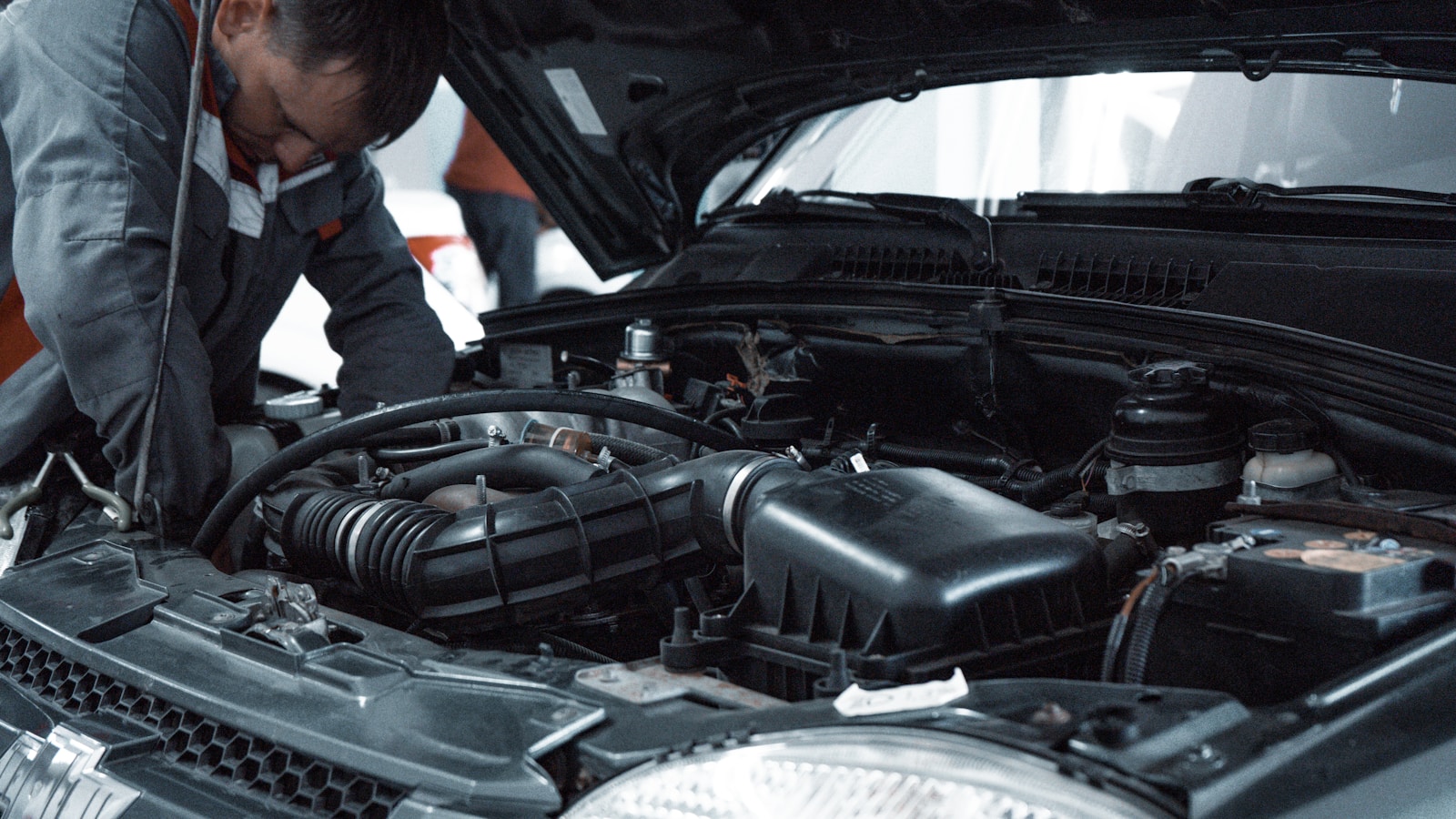
Car ownership is already expensive before anything breaks, and the repair bill is where a lot of budgets quietly blow up. Looking ahead to next year, the typical driver is likely staring at several hundred dollars in shop visits, with unlucky owners paying well into the four figures when a big component fails. The exact number depends on the car in the driveway and how disciplined the owner is about routine service, but the trend lines are clear: repairs are getting pricier, and planning for them is no longer optional.
Put simply, the “average” driver should expect at least a few scheduled shop visits plus one or two surprise fixes over the next 12 months. That mix of predictable maintenance and unpredictable repairs is what will decide whether the total stays manageable or turns into a savings‑draining headache.
Maintenance vs. repairs: the bill you see coming and the one you do not
Before anyone can guess what they will spend next year, they need to separate routine maintenance from true repairs. Maintenance is the stuff that shows up on the calendar, like oil changes, tire rotations, and brake fluid flushes. Repairs are what happen when something actually fails, from a dead alternator to a leaking water pump. As one expert put it in a recent analysis, Maintenance and Repairs are not the same bill, and Understanding the Difference is the first step to budgeting. Before a driver panics about a big number, it helps to remember that oil and filters are the financial equivalent of brushing teeth, while a blown head gasket is more like emergency surgery.
That distinction matters because the predictable side is where drivers have the most control. Skipping a $120 service can easily set up a $1,200 repair later, especially on turbocharged engines and modern automatic transmissions that are sensitive to fluid quality. The more consistently an owner handles the boring, scheduled work, the more they can keep the “true repair” column from exploding over the next year.
What the averages say a driver will spend
So what does that add up to in real money for the next 12 months? Industry cost breakdowns suggest that a typical driver should expect several hundred dollars in routine shop visits, plus a cushion for at least one mid‑size fix. Analyses of the overall cost of driving show that maintenance and repairs together often land in the low four figures annually once a car is out of its initial warranty window. That is the blended reality behind the headline number: a year of oil changes and inspections, plus the occasional part that simply wears out.
Unexpected jobs are where the averages get ugly. A breakdown of Unexpected work lists each Type of Repair alongside an Estimated Cost, and even a relatively simple Alternator job can run several hundred dollars once labor is included. Stack a repair like that on top of normal service and the “average” driver is suddenly staring at a four‑figure year, especially if they are putting more than 12,000 miles on the odometer.
Why everything feels more expensive right now
Drivers are not imagining it: the broader inflation picture has been pushing car‑related costs higher, even if the pace is starting to cool. Official consumer price data shows that the Category that includes Transportation services posted a 12‑month percent change through Dec that reflects both earlier spikes and some recent easing. Even with that moderation, parts and labor are still coming off a multi‑year climb, and shops are paying more for everything from diagnostic equipment to rent, which filters straight into the hourly rate on the invoice.
Insurance is quietly amplifying the pain. The average annual U.S. car‑insurance premium has climbed to $2,697, or about $225 per month, and that $225 is competing with the same household dollars that are supposed to cover repairs. Higher premiums are partly a reaction to more expensive claims, since modern bumpers hide radar sensors and cameras that cost far more to replace than a strip of painted plastic. The result is a feedback loop: pricier parts lead to higher insurance payouts, which lead to higher premiums, which leave less room in the budget for the next shop visit.
New cars, old cars, and who pays what
Not every driver is in the same boat. Newer vehicles tend to be cheaper to maintain in the first few years, then more expensive to repair once the warranty safety net disappears. A detailed look at Cost Estimates for notes that the newer cars tend to be cheaper when it comes to maintenance in the initial years, but once they age out of coverage, owners can easily face at least 2,000 a year in combined upkeep and fixes. That is the trade‑off baked into modern engineering: fewer oil changes and longer service intervals up front, followed by very expensive components when something finally fails.
Older cars flip that script. A 10‑year‑old Honda Civic or Toyota Camry will usually chew through more frequent maintenance, but the parts themselves are simpler and cheaper, and independent shops know them inside out. On the other hand, a high‑mileage luxury SUV with air suspension and complex electronics can turn into a rolling money pit, even if the purchase price was low. That is why some analysts argue that “new cars are very expensive, but once you own them, they are pretty cheap,” while older, complicated models can quietly drain thousands per year in repairs once the odometer climbs.
How to keep next year’s repair bill from wrecking the budget
Drivers are not powerless in the face of these numbers. The most effective move is to treat maintenance as a fixed monthly cost instead of a surprise. One practical rule of thumb is to set aside a car fund equal to the average of the last few years of shop bills, then add a cushion for inflation and aging. For many mainstream sedans and crossovers, that means planning on several hundred dollars a year in routine work plus a buffer for at least one mid‑range repair, which lines up with broader estimates of annual car maintenance costs. Spreading that total across 12 months turns a scary lump sum into something closer to a streaming subscription, just with more grease.
Shopping smart on the ownership side also helps. Before signing for a new or used vehicle, buyers should look beyond the payment and check long‑term cost projections, including fuel, insurance, and the expected cost of driving per mile. A slightly cheaper model with a strong reliability record can save thousands over a flashy alternative that lives at the service bay. Once the car is in the driveway, sticking to the maintenance schedule, using a trusted independent shop when possible, and handling simple jobs like wiper blades or cabin filters at home can all shave real money off next year’s repair total without sacrificing safety.
More from Wilder Media Group: