
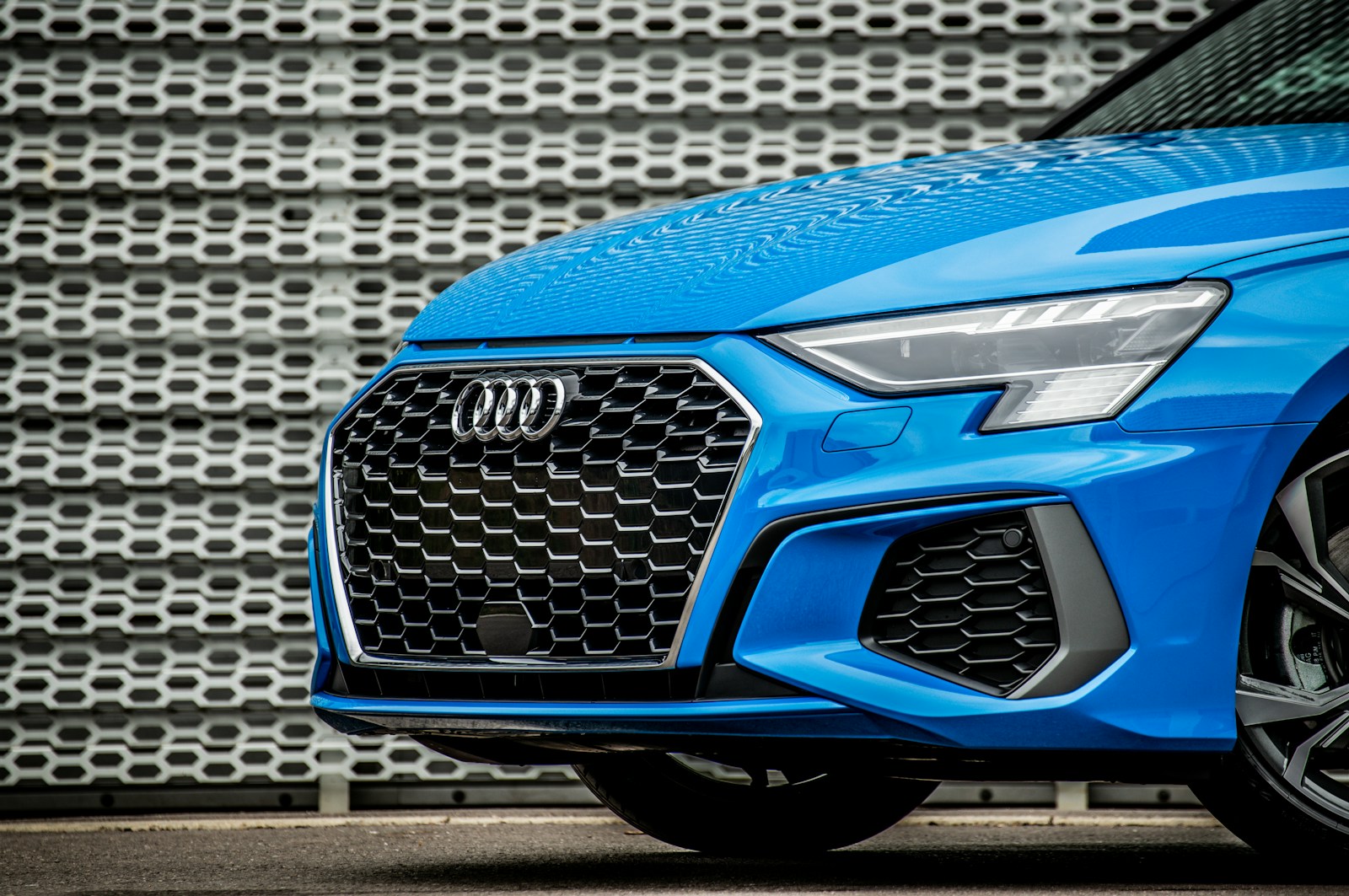

Audi’s latest electric SUV does not just add more range or a bigger screen, it tackles the everyday irritation that has quietly driven owners up the wall. After years of touch panels and glossy black surfaces that looked great in photos but felt fussy on the road, the new Q6 e-tron finally treats usability as a headline feature, not an afterthought. The result is an EV that aims to keep drivers’ blood pressure low while the battery state of charge stays high.
Instead of forcing people to relearn basic tasks like changing the temperature or finding a charger, Audi is pivoting back toward simple, physical interaction layered over serious new hardware. The company is betting that this mix of tactile controls, smarter software, and faster charging is what will finally win over drivers who liked the idea of an EV but hated living with one.
The interior gripe Audi could not ignore
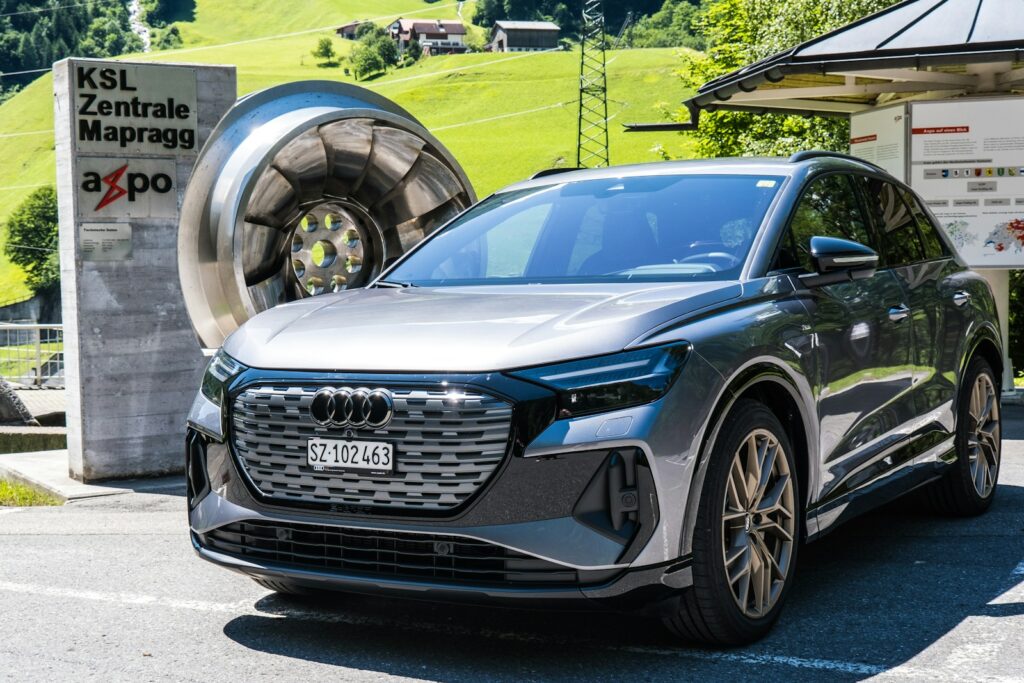
For years, Audi leaned hard into the glossy, buttonless cockpit, and owners let the brand know exactly how they felt about it. In the 2025 Q6 and SQ6, it was the extensive use of gloss-black plastic and touch-sensitive controls that slightly detracted from the luxury attitude, a complaint that shows up clearly in In the detailed early impressions. Smudgy surfaces, tiny icons, and haptic sliders might have photographed well, but they demanded too much attention at highway speeds.
That frustration eventually boiled over into public feedback that Audi could not brush aside. A clip shared in Dec under the label Customer Feedback Forces captured how drivers had grown tired of swiping and tapping for simple tasks that used to be handled by a single knob. The message was blunt: people wanted the tech, but they did not want to fight it every time they adjusted the climate or skipped a track.
Audi’s response is now baked into its latest EV update strategy. A recent software and comfort package for the A6 and Q6 e-tron families leans heavily on usability, comfort, and digital refinement, with While the hardware staying largely the same but the experience getting calmer and more intuitive. Tucked into that update is a charging rest mode that reframes fast charging as a moment to relax instead of a stressful pit stop, which only works if the interface feels friendly enough to disappear into the background.
Physical controls meet serious EV hardware
The real shift is that Audi is no longer treating physical controls as a nostalgic extra, but as a core part of how its new EV platform works in the real world. Company insiders have been clear that, for years, drivers have wanted modern tech without feeling like they had to fight the interface every time they drove, a point underscored in a report that notes They simply prefer controls that are easier to use while driving. That is why the latest Q6 e-tron layout brings back more dedicated buttons and clearer separation between core driving functions and the deeper digital menus.
Underneath that calmer cabin, the Q6 e-tron is the first Audi built on the PPE platform shared with Porsche’s upcoming Macan EV, a setup that gives the SUV fast charging and strong performance without demanding constant micromanagement from the driver. Early drives describe the Q6 as a tiny tech powerhouse that still feels approachable, with Mar highlighting how the new layout and software make the advanced hardware feel less intimidating. The goal is not just to impress spec-sheet readers, but to make the daily commute feel less like beta testing a gadget and more like driving a well sorted car.
That same philosophy is showing up in Audi’s performance EVs. The 2025 S e-tron GT is designed to outperform the 2024 Audi e-tron GT, and based off the numbers it does, with Power and Performance figures that move the needle while still keeping the cabin familiar. Audi knows that if it wants drivers to explore launch control and adaptive damping, the basic controls cannot feel like a puzzle every time they climb in.
The charging headache, finally treated like a design problem
Even the best cabin is not enough if charging feels like a chore, and Audi has been quietly working on that front for years. Back in Jul, analysts pointed out that one big reason the American public was slow to embrace EVs was the hassle of finding and using chargers, and that Audi was already investing in fixing this issue for American buyers. The company has treated charging not just as infrastructure, but as part of the user experience that needs to feel predictable and quick.
That work shows up clearly in the Q6 e-tron’s specs. Audi of America has outlined how the all new 2025 Q6 e-tron is Expected to arrive with strong range figures and DC fast charging that can pull power in parallel up to 135 kW, a detail spelled out in Audi of America technical notes. Later, full pricing and specifications from RESTON confirmed that all models of the Q6 balance range and charging performance, with Sep data emphasizing that drivers will not have to choose between a usable highway range and reasonable stop times.
More from Wilder Media Group: