
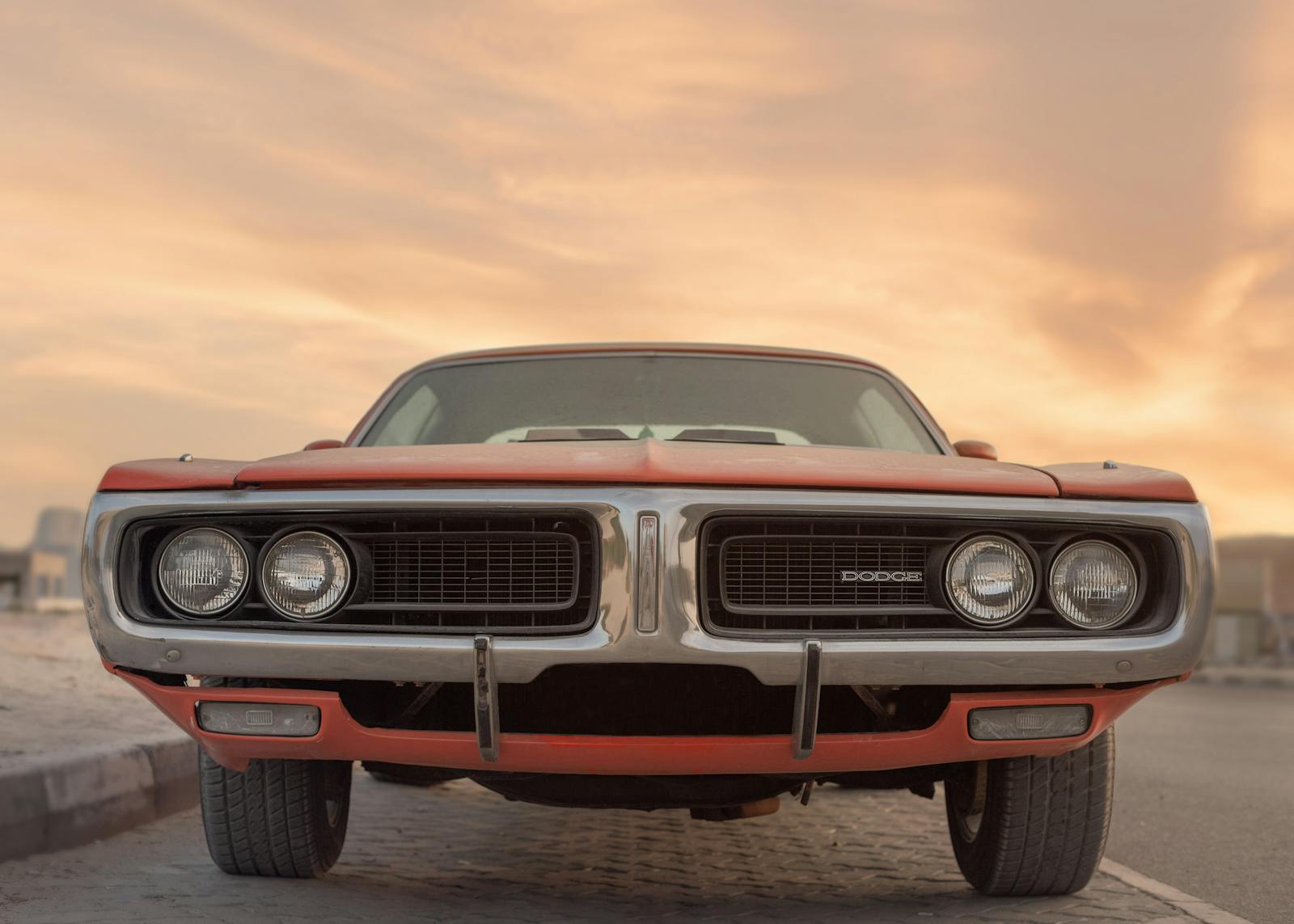

The Plymouth Duster has spent decades parked in the shadow of better known muscle names, but the car’s spec sheet tells a very different story. In 340 trim, this compact Mopar could nip at the heels of big‑block legends and, in the right hands, make life uncomfortable for a Pontiac GTO. What looked like an economy coupe on the outside was, in reality, one of the sharpest performance bargains of the 1970s.
The Sneaky Compact That Hit Like a Heavyweight
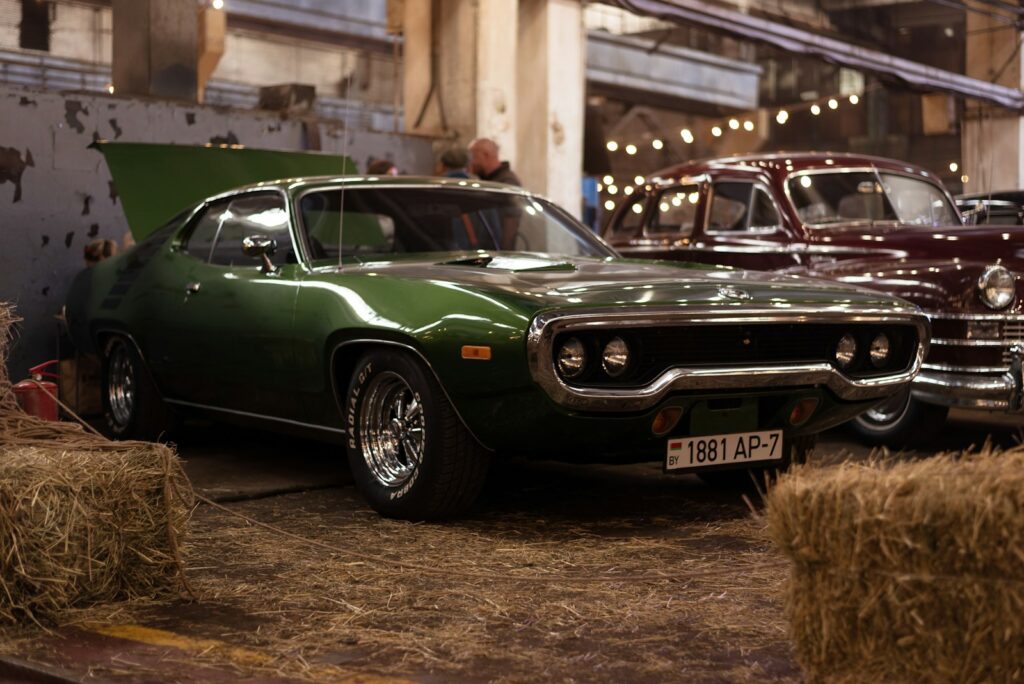
On paper, the idea sounded almost too sensible for the muscle era: take the humble Valiant platform, clean up the lines, and drop in serious power. That is exactly what The Plymouth Duster delivered, turning a compact commuter into a street brawler that caught rivals off guard. Enthusiasts still point out how Mopar wrapped that performance in a body that looked more budget than brutal, which made it even more satisfying when the little coupe pulled away from bigger, flashier cars at the next stoplight.
The real magic arrived with the 340 package, which transformed the Duster from mild to genuinely quick. Built on the same basic bones as the Valiant, the Plymouth Duster 340 combined a strong small‑block with light curb weight and short gearing, a recipe that let it punch far above its price tag. Period performance charts show the 1970 Plymouth Duster 340 running from 0 to 60 m in roughly the mid six‑second range and covering the quarter Mile in times that lined up with far more expensive machinery, while its original MSRP undercut many of the era’s headline muscle cars by a comfortable margin, as laid out in detailed Performance Comparison tables.
Why This Budget Bruiser Could Harass a GTO
Stacked against a Pontiac GTO, the Duster’s secret weapon was not brute force, it was efficiency. The 340 small‑block gave the Plymouth Duster strong mid‑range pull without the nose‑heavy feel of a big‑block, and the car’s compact footprint meant less mass to hustle down the strip. Contemporary accounts describe the 1970 Plymouth Duster 340 as a budget street terror that delivered big muscle in a compact shell, with Mopar styling that looked just aggressive enough to hint at what was under the hood without scaring off insurance agents.
That balance of power and weight translated into real‑world results. Close Quarter performance data shows the 1970 Plymouth Duster 340 turning Mile Times that were right on the heels of larger, more powerful cars, and in some cases the lightweight Mopar even edged ahead. Reports on those Close Quarter runs note that, Despite having a smaller engine and lower advertised output, the Duster kept up with or even outran heavier big‑block competitors, the very crowd that included plenty of GTOs lining up on Friday nights.
Style, Stance, and the Underrated Factor
Part of what makes the Duster such a compelling bargain today is how it blended subtle looks with just enough attitude. With its fastback roofline and clean flanks, the Plymouth Duster carried a sleek profile that looked more like a sporty commuter than a dragstrip regular. The stance, especially on 340 cars with wider rubber and bolder stripes, hinted at performance without the in‑your‑face aggression of some rivals, which only added to its sleeper reputation.
Enthusiasts who dig into the history of the 1970 Plymouth Duster 340 often come away wondering how it stayed underrated for so long. Fans point to the way Plymouth Duster models delivered big‑league acceleration, a distinctive Mopar identity, and everyday usability at a price that undercut many peers. Earlier discussions of the car’s origins highlight how Jun and Aug era marketing framed the Duster as a practical compact first and a performance car second, which helped it slide under the radar even as owners quietly collected trophies with their Mopar sleepers.
More from Wilder Media Group: