
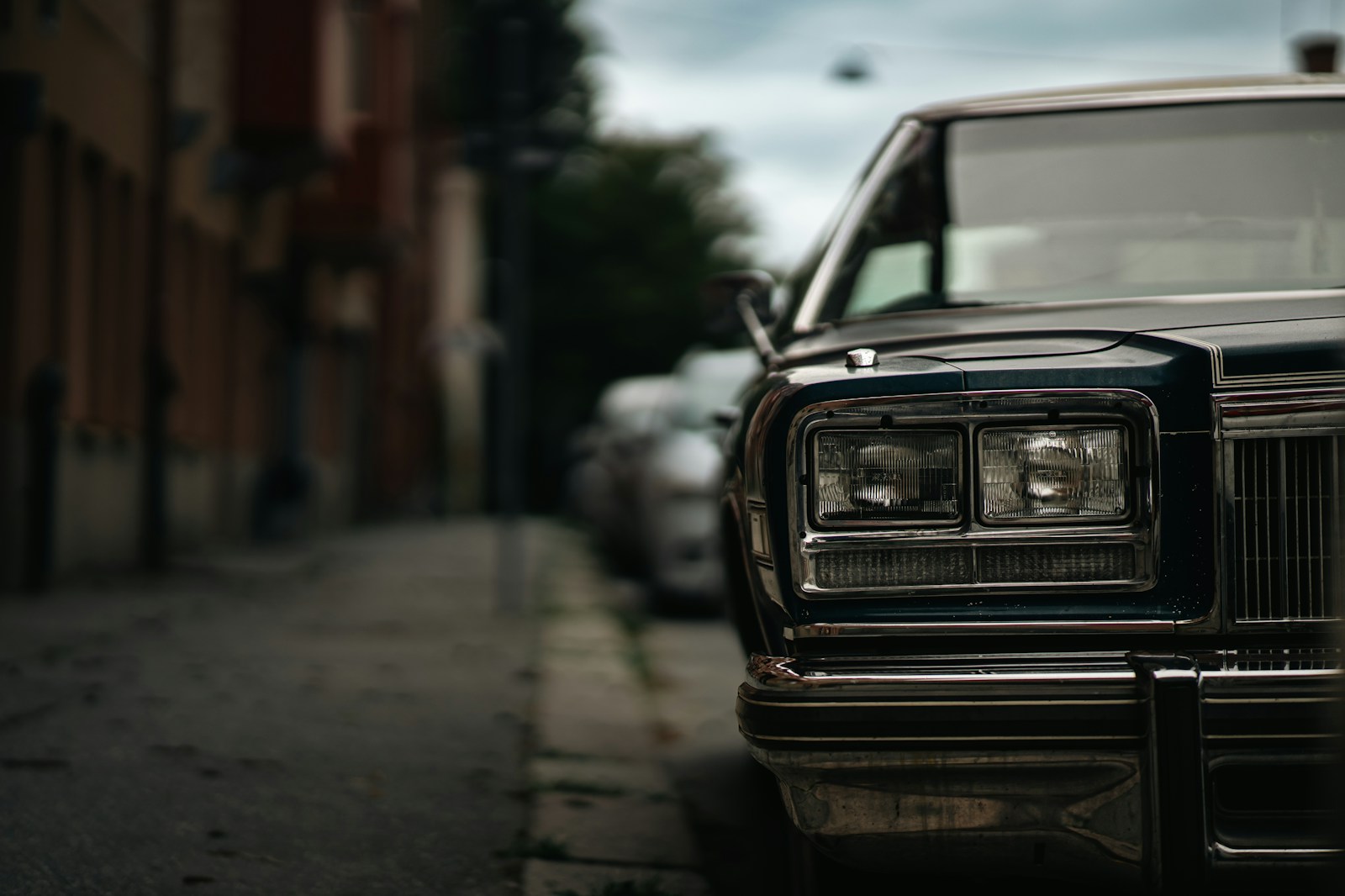

The Buick Grand National has always been a troublemaker, a sinister black coupe that embarrassed bigger, louder V8s with a humble turbo V6. Now one particular car is stirring up a different kind of chaos by ditching that six for a modern supercharged V8 that makes Corvette-grade power. It is brutally quick, meticulously built, and for a certain slice of Buick faithful, borderline sacrilege.
That tension is exactly what makes this V8-swapped Grand National so compelling. It is a rolling argument about what matters more in a classic: the numbers on the dyno sheet or the story under the hood. And in this case, the story starts with a very modern crate of parts and a very old debate.
The Grand National’s Turbo Legacy Meets an LT4 Reality
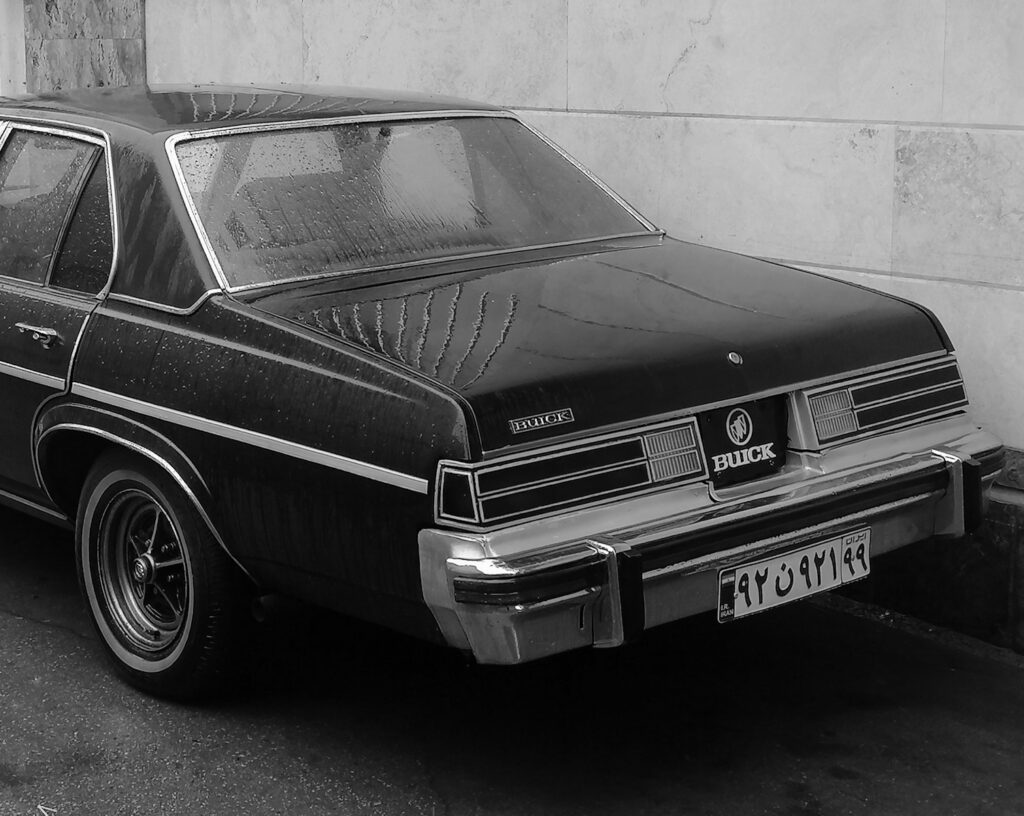
To understand why purists are so wound up, it helps to remember what made the Grand National special in the first place. Under that sinister black hood there was not a thundering V8, no 454 big block, no 427 side oiler, no screaming 302 small block. The car’s whole identity was built around a 3.8 liter turbocharged V6 that punched far above its weight and made V8 guys nervous at stoplights.
That is why the decision to pull the original turbocharged V6 and replace it with a supercharged LT4 V8 hits such a nerve. The swap takes a car that once proved you did not need eight cylinders to be fast and drops in the same basic hardware found in modern performance icons. One build pairs the LT4 with a matching transmission from a 2022 ZL1 Camaro, essentially turning the Buick into a stealthy cousin of a modern supercharged muscle car while keeping the boxy G-body shell that enthusiasts love.
Corvette Power, E85, and a Divided Fanbase
On paper, the numbers are hard to argue with. Tuned on corn juice, the LT4 setup uses Just a Dash of E85 To Make 600 WHP, a figure that plants this Buick squarely in modern Corvette territory. The engine and transmission package from the ZL1 Camaro is built to live at that output, and the swap adds the kind of drivability and highway cruising capability that owners expect from a contemporary performance car.
That is exactly what makes the car so polarizing. For some, the idea of a Grand National with 600 WHP and late model manners is the dream version of the car they always wanted. Others look at the empty space where the turbo V6 once sat and see a broken promise. One write up notes that the original turbocharged V6 engine has been replaced with a supercharged LT4 V8, and that as much of an improvement as that sounds to most people, it is also the kind of change that makes diehard Buick fans swear off a build before they even hear it idle, a reaction captured in multiple descriptions of the car.
Even the writer covering the build, Hank, is not exactly a Buick lifer. Hank is described as a lifelong gearhead with a particular love for classic American muscle cars, 1960s Mopars to be specific, and While he respects the Grand National’s history, he clearly leans toward the camp that values raw performance and modern hardware over strict originality, a stance that colors how he frames this swap.
What Gets Lost, What Gets Gained
To the purists, the Grand National is not just another G-body, it is the car that proved Buick could build a street terror without leaning on a big cube V8. The Buick Regal platform that underpins it has plenty of fans, but the Grand National variant became a legend precisely because it did not follow the usual muscle car recipe. One detailed build of a supercharged LT4 Grand National even notes how the exterior and interior were carefully updated to reflect the new motor, a nod to the fact that once you change the heart of the car, you are really creating a different kind of Grand National altogether.
That is why some owners prefer to chase more power while keeping the turbo six. A deep dive on the Buick 3.8 liter turbo engine points out how radical it was in its day, with commentators stressing that under that sinister black hood there was no 454, no 427, no 302, just a boosted V6 that could run with the best. For that crowd, the real magic trick is squeezing modern performance out of the original layout, not dropping in an LT4 and calling it a day, a sentiment echoed in multiple videos that celebrate the stock-style powerplant.
More from Wilder Media Group: