
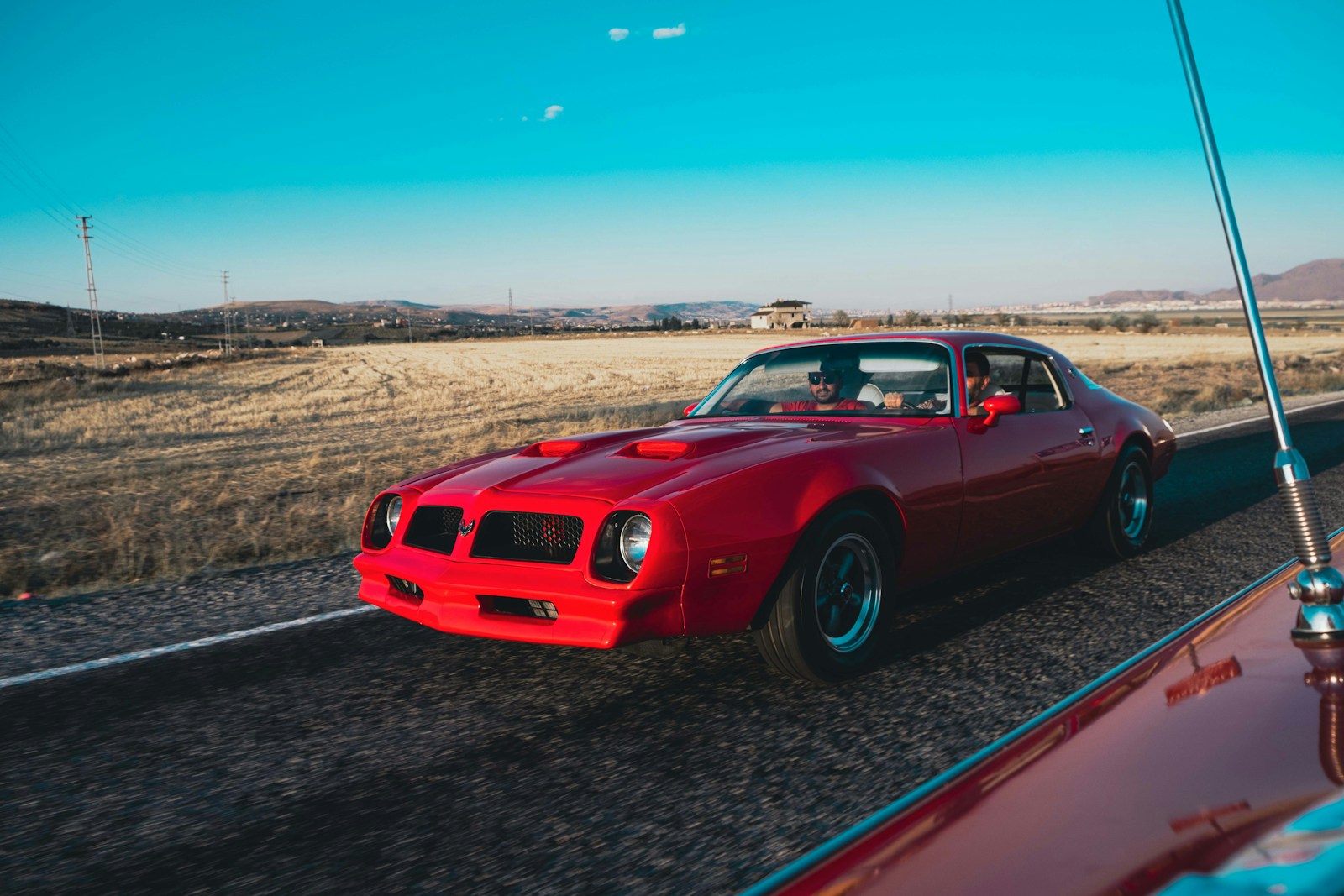

Pontiac’s first turbocharged muscle car arrived just as the classic V8 era was running out of road, which is exactly why it slipped through the cracks. The 1980 and 1981 Trans Am Turbo tried to blend fuel-conscious engineering with the swagger of a Firebird, and the result was a car that confused buyers then and is undervalued now. For enthusiasts willing to look past old jokes about smog-era performance, it is one of the cheapest tickets into a genuinely historic piece of American turbo history.
Instead of the usual big-cube brute force, Pontiac bet on a smaller V8 with forced induction and wrapped it in some of the wildest graphics the brand ever sold. The experiment did not turn into the performance savior Pontiac hoped for, but it did create a rare bridge between the glory days of muscle and the boost-obsessed future that followed.
How Pontiac Ended Up With A Turbo Trans Am
By the late 1970s, the muscle car formula was under siege from tightening Government emissions rules and fuel economy targets, and Pontiac had to find a way to keep the Firebird relevant without relying on thirsty big blocks. That pressure set the stage for the First Turbocharged Pontiac, a car that tried to deliver the visual drama of a Trans Am while working within a new regulatory reality that punished displacement and carbureted excess. The First Turbocharged Pontiac Muscle Car Is Cheap And Forgotten today largely because it was born into that awkward transition, when buyers still expected tire smoke but regulators wanted clean exhaust.
Instead of another giant engine, Pontiac created The Pontiac 301 Turbo, a V8 with a displacement of 301 cubic inches that was designed specifically for the Trans Am. According to The Pontiac entry, this Turbo unit powered the Pontiac Trans Am for 1980 and 1981 and was tuned to deliver usable torque rather than headline-grabbing peak horsepower. The idea was simple on paper: use boost to get the feel of a larger engine while keeping displacement and emissions in check, then wrap it in the familiar Firebird Trans Am styling that fans already loved.
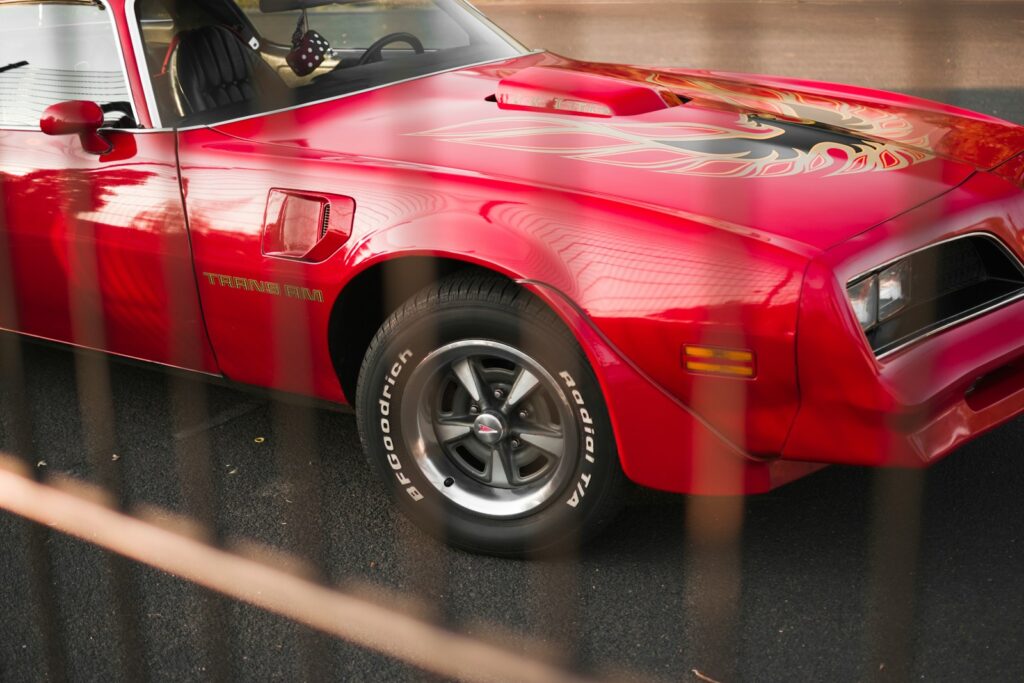
Visually, Pontiac leaned hard into the drama to sell the new technology. The 1980 Trans Am Turbo wore aggressive front-end styling, shaker hood treatments, and the famous screaming chicken, details that are clear when looking at a Pontiac Firebird Trans Am Turbo Front Three Quarter Via auction photography. That combination of extroverted looks and experimental powertrain is why enthusiasts now see the Trans Am Turbo as a fascinating pivot point, even if period buyers were not quite sure what to make of it.
Why The Turbo V8 Felt Slow, And Why That Matters Less Now
On paper, a turbocharged V8 sounds like the recipe for a street monster, but the reality of the Pontiac Trans Am Turbo was more complicated. Contemporary testing and later analysis have pointed out that the car’s performance was blunted by low compression, conservative boost, and the early turbo hardware of the time, all tuned to survive unleaded fuel and emissions tests rather than chase quarter-mile glory. A detailed breakdown of the 1980 Pontiac Turbo Trans Am in a Rare Cars documentary underlines how those compromises left the Turbo V8 T/A feeling slower than its looks promised, which did real damage to its reputation.
That mismatch between image and acceleration is a big reason the First Turbocharged Pontiac is often described as cheap and forgotten today. Enthusiasts who grew up hearing that the late 1970s were not kind to muscle cars tend to skip right past the Trans Am Turbo in favor of later legends. Yet the same engineering that dulled its straight-line punch also helped it survive into the modern era as a relatively robust, understressed turbo V8, and that durability is part of why clean examples are still around and ready for upgrades.
Context also matters. The 1980 Pontiac Trans Am Turbo hit the streets several years before the Buick Grand National made turbocharged American performance fashionable. As one analysis of this forgotten Pontiac muscle car notes, the Pontiac Trans Am Turbo was experimenting with boost While Buick was still a few years away from turning the Grand National into a cultural icon. In hindsight, Pontiac was early to a party that someone else ended up hosting, which helps explain why its pioneering role is so often overlooked.
Values, Survivors, And Why It Is A Smart Buy Now
Because the Trans Am Turbo never earned the fearsome reputation of later turbo cars, it has stayed relatively affordable compared with other classic muscle. Valuation data for the 1980 Pontiac Firebird Trans Am shows that prices vary widely with condition and options, but typical market figures remain accessible for a car with this kind of styling and historical significance. Shoppers can see how a standard Pontiac Firebird Trans Am from that year stacks up by checking the Common Questions and recent sales data, which highlight how far below top-tier collector muscle these cars still sit.
More from Wilder Media Group: